
Step-by-Step Beans Companion Planting Guide for 2026
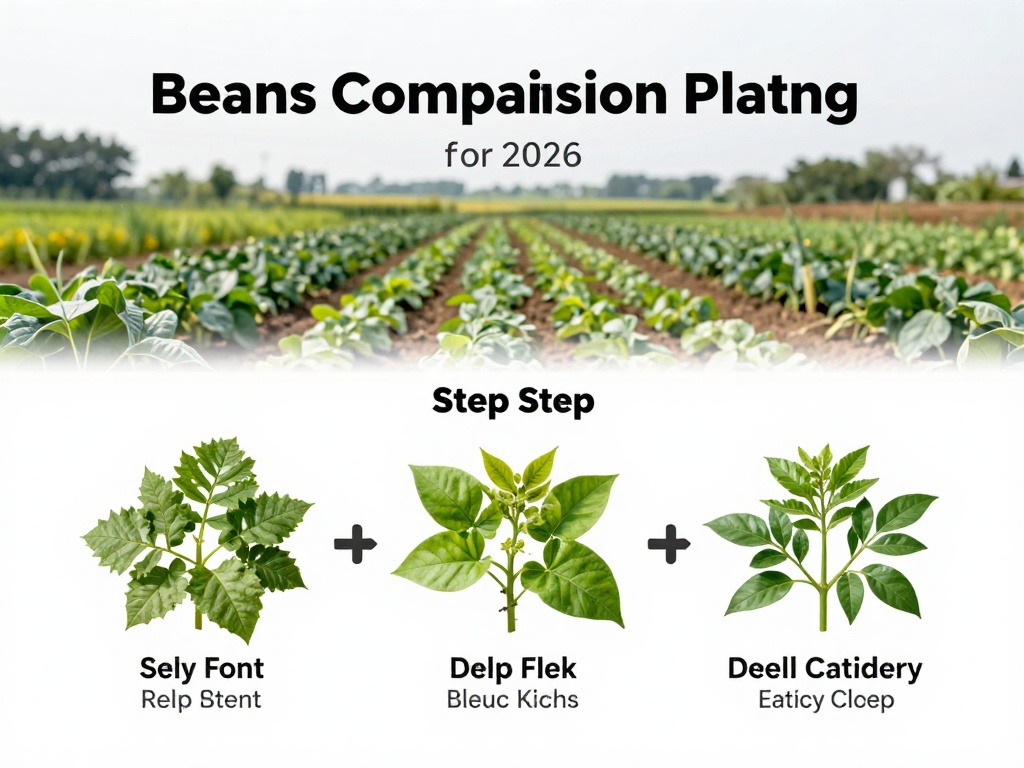
Step-by-Step Beans Companion Planting Guide for 2026
Companion planting represents one of the most effective organic methods for maximizing garden productivity while naturally pest control and improving soil health. This comprehensive step-by-step guide walks beginners and experienced gardeners through the complete process of beans companion planting, ensuring you achieve abundant harvests throughout the growing season. Understanding which plants thrive alongside beans can transform your garden from ordinary to extraordinary.
Understanding Beans Companion Planting Fundamentals
Beans companion planting involves strategically positioning plants that provide mutual benefits when grown in proximity. Beans fix nitrogen in the soil through their root nodules, making this nutrient available to neighboring plants that require nitrogen for healthy growth. This natural process reduces the need for synthetic fertilizers and promotes sustainable gardening practices that benefit both your crops and the environment.
Why Beans Make Excellent Companion Plants
Beans belong to the legume family, which possesses the unique ability to convert atmospheric nitrogen into a form that plants can absorb. This characteristic makes beans particularly valuable in polyculture settings where multiple plant species grow together. When you plant beans near heavy feeders like corn or squash, your garden benefits from enhanced soil fertility without additional input costs.
The Three Sisters planting method, developed by Indigenous peoples centuries ago, demonstrates the power of beans companion planting step by step. This traditional technique combines corn, beans, and squash in a mutually beneficial arrangement that continues producing impressive results in modern gardens.
Step 1: Planning Your Beans Companion Garden Layout
Before purchasing seeds or transplants, carefully assess your garden space and sunlight availability. Most bean varieties require at least six hours of direct sunlight daily for optimal growth and pod production. Document your garden's dimensions, existing structures, and microclimates that might affect plant placement and overall success.
Assessing Soil Conditions and Drainage
Beans thrive in well-draining soil with a pH range between 6.0 and 7.0. Conduct a soil test to determine your current nutrient levels and identify any amendments needed before planting. Add organic compost to improve soil structure and provide essential nutrients that support healthy bean development throughout the growing season.
Mapping Garden Zones and Sun Exposure
Create a detailed garden map marking areas with full sun, partial shade, and zones that receive afternoon shade. Taller companion plants like corn should be positioned on the north or west side of your garden to prevent shadowing shorter crops. This strategic placement ensures all plants receive adequate sunlight for photosynthesis and vigorous growth.
Step 2: Selecting the Best Companion Plants for Beans
Choosing appropriate companion plants significantly impacts your garden's productivity and plant health. The following categories help you select pairings that deliver maximum benefit for your beans and overall garden ecosystem.
Best Vegetable Companions for Beans
Several vegetables make excellent partners for beans in the garden. Corn provides natural support for climbing bean varieties while benefiting from the nitrogen beans add to the soil. Squash and pumpkins work exceptionally well as ground companions, their broad leaves suppressing weeds and retaining soil moisture.
Carrots, cucumbers, radishes, and lettuce all pair excellently with beans in raised beds or container gardens. These vegetables occupy different vertical spaces and root depths, allowing intensive planting that maximizes your harvest potential from limited garden areas. Potatoes should be avoided as companions since both crops compete for similar nutrients and space.
Beneficial Flower and Herb Companions
Marigolds planted near beans repel harmful insects including aphids, Mexican bean beetles, and nematodes that damage bean plants. Nasturtiums serve as trap crops, attracting aphids away from your beans and providing beautiful edible flowers that enhance garden aesthetics.
Herbs like summer savory, rosemary, and dill attract beneficial pollinators and predatory insects that control pest populations naturally. Planting these herbs in borders or between bean rows creates a diverse ecosystem that supports sustainable agriculture practices and reduces reliance on chemical interventions.
Step 3: Implementing the Three Sisters Planting Method
The Three Sisters technique represents the gold standard for beans companion planting step by step. This ancient method combines corn, beans, and squash in a synergistic arrangement where each plant supports the others' growth.
Planting Sequence and Timing
Begin by planting corn seeds in mounds or hills spaced approximately four feet apart. Wait two weeks for corn seedlings to establish before planting pole bean seeds at the base of each corn stalk. The corn provides structural support for climbing beans while beans fix nitrogen that feeds both corn and squash.
Plant squash or pumpkin seeds around the outer edges of each mound two weeks after the beans emerge. Squash leaves spread widely, creating living mulch that retains soil moisture and suppresses weed competition. This layered planting approach produces three harvests from a single garden area while maintaining soil health and structure.
Varieties Suitable for Three Sisters Planting
Select pole bean varieties rather than bush beans for Three Sisters gardens, as pole beans climb corn stalks naturally. Heirloom varieties like Scarlet Runner Beans provide beautiful flowers, excellent production, and strong climbing abilities. Traditional corns including Golden Bantam or Ruby Queen work well with their tall, sturdy stalks that support bean vines.
Step 4: Planting Your Bean Companions in Containers
Gardeners with limited space can successfully practice beans companion planting in containers on patios, balconies, or rooftops. Container gardening requires careful attention to container size, soil volume, and watering frequency to achieve productive results.
Container Selection and Soil Preparation
Choose containers at least twelve inches deep with adequate drainage holes for bean cultivation. Larger containers accommodate bean companions more effectively, with minimum sizes of eighteen inches recommended for Three Sisters container planting. Fill containers with high-quality potting mix amended with aged compost for optimal nutrient availability and moisture retention.
Companion Combinations for Small Spaces
Dwarf bean varieties pair excellently with lettuce, radishes, or herbs in medium-sized containers. Position marigolds at container edges to provide pest protection while adding color to your patio garden. Vertical gardening techniques using trellised pole beans maximize production in confined spaces while creating attractive living displays.
Step 5: Maintaining Your Companion Planting Garden
Proper maintenance practices ensure your companion planting efforts deliver consistent results throughout the growing season. Regular observation, appropriate watering, and timely harvesting contribute to garden success and continued plant productivity.
Watering and Mulching Techniques
Beans require consistent moisture, particularly during flowering and pod development stages. Water deeply at soil level to prevent foliar diseases and encourage deep root development. Apply organic mulch around plants to conserve moisture, regulate soil temperature, and suppress weed competition that competes with your crops for nutrients.
Monitoring for Pests and Diseases
Regular inspection of bean plants helps identify potential problems before they escalate. Check undersides of leaves for aphids, examine pods for bean beetles, and watch for signs of fungal diseases that thrive in humid conditions. Companion planting naturally reduces pest pressure, but intervention may be necessary when populations exceed manageable thresholds.
Step 6: Harvesting and Rotating Your Bean Crops
Understanding proper harvest timing and crop rotation ensures long-term garden success and prevents soil depletion. Beans planted as companions still require the same careful harvesting practices as monoculture plantings while benefiting from the diversity of surrounding plants.
Optimal Harvest Timing for Beans
Harvest snap beans when pods are firm and have reached their mature length but before seeds bulge visibly through the pod walls. Frequent harvesting encourages continued production throughout the season. Dry beans should remain on plants until pods turn brown and dry completely before harvest and storage.
Crop Rotation Best Practices
Avoid planting beans in the same location for consecutive seasons to prevent disease buildup and nutrient depletion. Rotate beans with unrelated plant families including brassicas, nightshades, and root vegetables. This practice maintains soil health while reducing pest and disease pressure that accumulates when identical crops occupy the same space year after year.
Common Mistakes to Avoid in Beans Companion Planting
Several frequent errors reduce the effectiveness of companion planting efforts and can disappointment gardeners expecting productive results. Understanding these pitfalls helps you avoid them and maximize your garden's potential from the start.
Planting incompatible companions such as onions, garlic, or fennel near beans inhibits bean growth and reduces yields significantly. Failing to provide adequate support for climbing varieties results in tangled, disease-prone plants that produce poorly. Overcrowding companion plants reduces air circulation and creates conditions favorable for fungal development.
FAQ: Beans Companion Planting Questions Answered
What are the best beginner-friendly beans for companion planting?
Bush beans like Blue Lake or Provider offer excellent beginner options since they require no staking and produce reliably in various conditions. These varieties mature quickly, typically within 50-60 days, allowing beginners to experience success before attempting more demanding pole bean varieties that require trellising and longer growing seasons.
Which plants should never be planted near beans?
Avoid planting onions, garlic, leeks, chives, fennel, and sunflowers near beans as these companions inhibit bean growth through allelopathic chemicals. Additionally, keep beans away from other legumes like peas and lentils to prevent cross-contamination of diseases and reduce competition for the same soil bacteria needed for nitrogen fixation.
When is the best time to start companion planting beans?
Beans should be planted after all danger of frost has passed and soil temperatures reach at least 60°F (16°C). In most regions, this corresponds to late spring or early summer planting. Companion plants like corn should be established first or planted simultaneously to ensure proper timing that allows all crops to reach maturity together.
How much space do beans and companions need in the garden?
Beans require minimum spacing of 4-6 inches between plants in rows spaced 18-24 inches apart. When planting companions, increase total garden area proportionally to accommodate multiple species without overcrowding. Three Sisters mounds should be spaced approximately 4 feet apart to allow adequate room for squash spread and corn growth.
What is the expected yield from companion planted beans?
Properly maintained companion planted beans typically yield 2-4 pounds of fresh beans per 10-foot row. The companion plants contribute additional harvests from the same space, effectively multiplying your total garden productivity. Three Sisters gardens can produce substantial yields of corn, beans, and squash simultaneously from the same footprint.
How long does it take to see results from companion planting beans?
Visible benefits from beans companion planting appear within 3-4 weeks as nitrogen fixation becomes active and companion plants establish themselves. Improved plant vigor, darker green foliage, and reduced pest pressure demonstrate successful companion relationships. Full harvest typically occurs 60-90 days after planting depending on bean variety and growing conditions.
No comments