
Blackberries Organic Gardening Step by Step: 2026 Guide
Blackberries Organic Gardening Step by Step: 2026 Guide
Growing blackberries in your own garden is one of the most rewarding experiences for any organic gardener. These delicious, nutrient-rich fruits thrive when given the right conditions, and cultivating them without synthetic chemicals ensures a healthier harvest for your family. This step-by-step guide covers everything you need to know about blackberries organic gardening, from soil preparation to harvest time.
Why Choose Organic Blackberries?
Organic blackberries contain higher levels of antioxidants and vitamins compared to conventionally grown berries. By avoiding synthetic pesticides and fertilizers, you protect beneficial insects, improve soil health, and produce food free from chemical residues. Additionally, organic gardening practices promote long-term sustainability and environmental stewardship.
Step 1: Selecting the Perfect Location
Blackberry plants require at least 6-8 hours of direct sunlight daily for optimal fruit production. Choose a location with good air circulation to reduce fungal disease risks. Avoid low-lying areas where frost settles, as late spring frosts can damage tender blooms and reduce your harvest significantly.
Space Requirements for Blackberry Plants
Erect blackberry varieties need about 3-4 feet between plants and 8 feet between rows. Trailing varieties require more space—about 6-8 feet between plants and 10-12 feet between rows. Proper spacing ensures adequate sunlight penetration and makes harvesting easier throughout the growing season.
Step 2: Preparing Your Soil Organically
Blackberries prefer slightly acidic soil with a pH between 5.5 and 6.5. Conduct a soil test before planting to determine your current pH and nutrient levels. Work 2-4 inches of mature compost into the top 6-8 inches of soil to improve drainage, fertility, and beneficial microbial activity.
Organic Soil Amendments
Depending on your soil test results, you may need to add organic matter such as aged manure, leaf mold, or worm castings. Rock phosphate provides slow-release phosphorus, while greensand offers potassium. These natural amendments feed your soil ecosystem and provide essential nutrients for strong root development.
Step 3: Choosing the Right Blackberry Varieties
Select varieties suited to your climate zone and available space. For beginners, 'Arapaho' and 'Natchez' are excellent erect varieties that grow well in most regions. 'Triple Crown' offers exceptional flavor and heavy yields. In colder areas, consider 'Polarberry' or 'Black Satin' which tolerate temperatures down to -10°F.
Understanding Blackberry Types
Erect blackberries grow upright with self-supporting canes, making them ideal for small spaces and containers. Trailing varieties produce long canes that require trellising. Primocane-fruiting varieties bear fruit on first-year canes, allowing for fall harvests and simpler pruning requirements.
Step 4: Planting Your Blackberry Plants
Plant dormant bare-root blackberries in early spring as soon as the ground can be worked. Container-grown plants can be set out anytime during the growing season, but spring planting gives them the longest time to establish before winter. Dig a hole twice as wide as the root system and backfill with native soil mixed with compost.
Proper Planting Depth and Technique
Set plants at the same depth they grew in the nursery, visible by the soil line on the stem. For bare-root plants, spread the roots outward in the planting hole. Water thoroughly after planting and apply a 3-4 inch layer of organic mulch around the base to retain moisture and suppress weeds naturally.
Step 5: Organic Watering and Irrigation
Blackberry plants need about 1-2 inches of water weekly, especially during fruit development. Deep, infrequent watering encourages deep root growth. Drip irrigation or soaker hoses deliver water directly to the root zone, conserving moisture and keeping foliage dry to prevent fungal diseases.
Mulching for Moisture Retention
Organic mulches like straw, wood chips, or shredded leaves maintain consistent soil moisture and regulate temperature. Replenish mulch as needed throughout the growing season. Mulching also encourages earthworm activity and adds organic matter to the soil as it decomposes.
Step 6: Natural Feeding and Fertilization
Feed blackberry plants with organic fertilizers in early spring as new growth emerges. Apply well-aged chicken manure, fish emulsion, or a balanced organic granular fertilizer. Avoid high-nitrogen fertilizers which promote excessive vegetative growth at the expense of fruit production.
Compost Tea for Healthy Plants
Monthly applications of compost tea provide beneficial microorganisms and mild nutrition. Brew compost tea using finished compost and water, then apply directly to the soil around plants. This organic practice improves soil biology and helps plants absorb nutrients more efficiently.
Step 7: Training and Pruning for Maximum Yield
Train blackberry canes to a trellis system for easier management and better sun exposure. For erect varieties, tie primocanes (first-year canes) to a two-wire trellis as they grow. Trailing varieties need a more substantial support system with multiple wires at varying heights.
Pruning Techniques for Organic Growers
Prune floricanes (second-year flowering canes) to the ground immediately after harvest. Thin primocanes in late winter, leaving 5-7 of the strongest canes per plant. This annual pruning removes spent canes and directs the plant's energy toward producing abundant, high-quality fruit.
Step 8: Natural Pest and Disease Management
Encourage beneficial insects like ladybugs and lacewings that naturally control aphid populations. Hand-pick spotted wing drosophila adults and remove infested fruit promptly. Clean up fallen berries and plant debris to disrupt pest life cycles without chemical interventions.
Preventing Common Blackberry Diseases
Maintain good air circulation through proper spacing and pruning to prevent fungal issues like botrytis and powdery mildew. Remove any diseased plant material immediately. Choose disease-resistant varieties and avoid overhead watering to keep foliage dry and disease-free.
Step 9: Harvesting Your Organic Blackberries
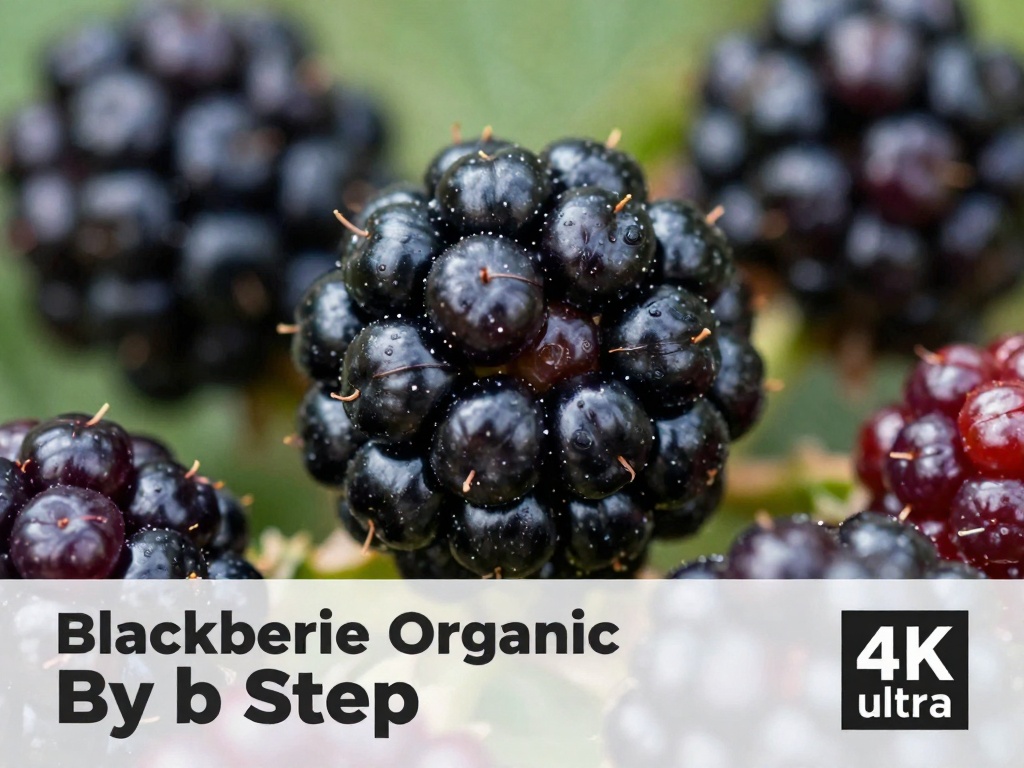
Pick blackberries when they turn fully black and detach easily from the plant. Harvest every 2-3 days during peak season, preferably in the morning when temperatures are cool. Handle berries gently to prevent bruising and enjoy them fresh, frozen, or in delicious homemade preserves.
FAQ
What is the best time of year to plant blackberry bushes?
The ideal planting time is early spring, 2-4 weeks before your last expected frost date. This allows plants to establish root systems during the cool, moist spring conditions before summer heat arrives. Container-grown plants can also be planted in fall, giving them time to settle in before winter dormancy.
How long does it take for blackberry plants to produce fruit?
Most blackberry varieties produce a small harvest in their second year after planting. By the third year, plants typically reach full production capacity and can yield 4-8 pounds of fruit per plant annually. Primocane-fruiting varieties may produce fruit in their first year on the new canes.
What are the most common mistakes in blackberry gardening?
Planting in shade, overwatering, excessive nitrogen fertilization, and inadequate pruning are common errors. Many gardeners also plant too deeply or fail to provide proper support systems for trailing varieties. Avoiding these mistakes ensures healthier plants and better fruit production.
Can blackberries be grown in containers?
Yes, compact varieties like 'Baby Cakes' and 'Polarberry' are specifically bred for container growing. Use a large pot with drainage holes and quality organic potting mix. Container-grown blackberries need more frequent watering and regular fertilizing compared to garden-planted specimens.
How much maintenance do blackberry plants require?
Blackberry plants require moderate maintenance including annual pruning, spring fertilizing, consistent watering during dry periods, and mulching. The effort pays off with decades of harvests—properly maintained plants can remain productive for 15-20 years or longer.
What does organic blackberry gardening cost compared to conventional methods?
Initial costs for organic gardening may be slightly higher due to quality organic amendments and fertilizers. However, long-term expenses decrease as you build healthy soil that requires fewer inputs. Organic practices also eliminate ongoing costs of synthetic chemicals while producing healthier, more nutritious fruit.
No comments