
Snake Plant Organic Gardening on Balcony: 2026 Complete Guide
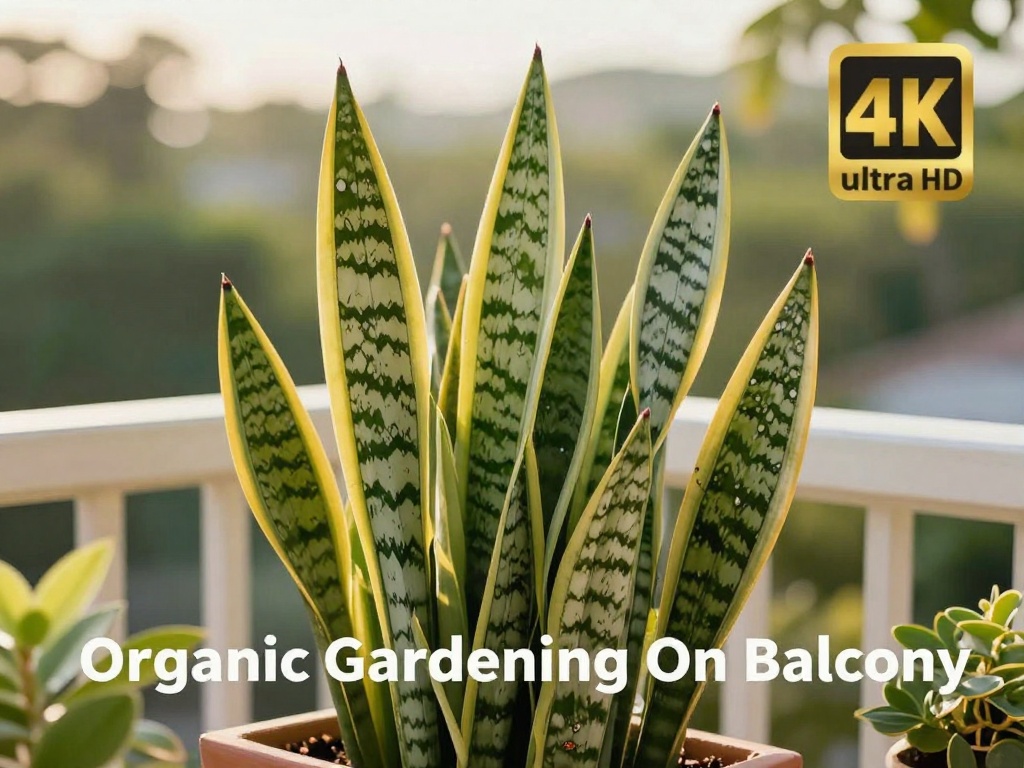
Snake Plant Organic Gardening on Balcony: 2026 Complete Guide
Snake plant organic gardening on balcony spaces has become increasingly popular among urban gardeners in 2026. This comprehensive guide provides everything you need to successfully grow Sansevieria (now classified as Dracaena trifasciata) using 100% organic methods in your balcony garden.
Why Choose Snake Plants for Balcony Organic Gardening
Snake plants are exceptional choices for balcony organic gardening due to their remarkable resilience and low-maintenance nature. These architectural plants thrive in various conditions, making them perfect for beginners and experienced gardeners alike.
Benefits of Growing Snake Plants Organically
- Air purification and toxin removal capabilities
- Drought tolerance reduces water requirements
- Minimal pest issues when grown organically
- Adaptable to various light conditions on balconies
- Produces oxygen 24/7 for healthier outdoor living
Essential Materials for Snake Plant Organic Gardening
Before starting your organic balcony garden, gather the necessary supplies. Using quality organic materials ensures your snake plants receive proper nutrition without harmful chemicals.
Organic Potting Mix Recipe
Create the ideal growing medium by combining:
- 50% organic potting soil (peat-free preferably)
- 25% perlite or pumice for drainage
- 15% organic compost for nutrients
- 10% coco coir for moisture retention
Choosing the Right Containers
Select pots with adequate drainage holes. Terra cotta and ceramic containers work exceptionally well for snake plant balcony organic gardening as they allow soil to dry appropriately between waterings.
Step-by-Step Planting Process for Beginners
Follow this systematic approach for successful snake plant organic gardening on balcony in 2026:
Step 1: Preparing Your Container
Ensure your chosen pot has drainage holes. Add a layer of small stones or broken pottery at the bottom to enhance water flow. Fill with your prepared organic potting mix to approximately two-thirds capacity.
Step 2: Planting Your Snake Plant
Gently remove the snake plant from its nursery container. Inspect roots for any signs of rot or damage. Place the plant in the center of your container and add organic soil around the root ball, firming gently.
Step 3: Initial Watering and Placement
Water thoroughly with filtered or rainwater until it drains from the bottom. Position your newly planted snake plant in its permanent balcony location. Remember, these plants tolerate neglect better than overwatering.
Organic Care Guidelines for Thriving Snake Plants
Watering Schedule for Balcony Snake Plants
One of the most critical aspects of snake plant organic gardening on balcony is proper watering. Water every 2-3 weeks during growing season (spring and summer) and reduce to monthly during dormant winter months.
Natural Fertilization Methods
Feed your snake plants organically using these effective options:
- Diluted seaweed extract (monthly during growing season)
- Worm castings as top dressing
- Organic compost tea
- Banana peel fertilizer (bury pieces in soil)
Light Requirements on Balconies
Snake plants adapt to various light conditions, from partial shade to bright indirect light. Avoid prolonged direct sunlight in hot climates as it may scorch leaves. East or north-facing balconies work exceptionally well.
Common Mistakes to Avoid in Organic Snake Plant Care
Understanding common errors helps ensure your snake plant organic gardening on balcony succeeds:
Overwatering Prevention
The leading cause of snake plant death is overwatering. Always check soil moisture before watering—insert your finger 2 inches deep. Only water when soil feels completely dry.
Using Harmful Chemicals
Stay committed to organic methods by avoiding synthetic fertilizers and chemical pesticides. These products harm beneficial soil organisms and contradict the purpose of organic gardening.
Organic Pest Management for Snake Plants
Even with organic gardening practices, occasional pest issues may arise. Address them naturally using these proven methods:
- Neem oil spray: Effective against mealybugs and spider mites
- Insecticidal soap: Safe for organic pest control
- Diatomaceous earth: Natural powder for soil-dwelling pests
- Manual removal: Wipe leaves with alcohol-dampened cotton
Seasonal Care Calendar for 2026
Spring and Summer
Increase watering frequency and begin monthly organic fertilization. This is the ideal time for repotting if needed and propagating new plants from leaf cuttings.
Fall Preparation
Gradually reduce watering as temperatures cool. Stop fertilizing by late fall to allow the plant to enter dormancy naturally.
Winter Maintenance
Protect plants from frost if temperatures drop below 50°F (10°C). Move containers closer to walls for warmth and reduce watering to monthly.
Propagating Snake Plants Organically
Expand your snake plant organic gardening collection through these organic propagation methods:
Leaf Cuttings in Water
Cut healthy leaves into 4-inch sections. Place cut end in water and change weekly. Once roots develop (4-6 weeks), plant in organic potting mix.
Division Method
Carefully separate rooted pups from the mother plant, ensuring each division has established roots. Replant divisions immediately in fresh organic soil.
Troubleshooting Common Snake Plant Issues
Yellow Leaves
This typically indicates overwatering. Allow soil to dry completely and adjust your watering schedule accordingly.
Brown Tips
Usually caused by fluoride or salt buildup from tap water. Switch to filtered water and flush soil monthly.
Soft Mushy Base
Root rot from excessive moisture. Remove plant, trim affected roots, and repot in fresh dry organic mix.
Designing Your Balcony with Snake Plants
Incorporate snake plants creatively into your balcony organic gardening design. Group various sizes together for visual impact, or use them as natural dividers between seating areas.
Environmental Benefits of Balcony Snake Plant Gardens
Your snake plant organic gardening efforts contribute positively to urban environments. These plants absorb carbon dioxide, release oxygen, filter air pollutants, and create microhabitats for beneficial insects when grown organically.
Final Tips for Success in 2026
Snake plant organic gardening on balcony requires patience and consistency. Trust the process, observe your plants regularly, and adjust care based on seasonal changes and environmental conditions.
Frequently Asked Questions
How often should I water snake plants on my balcony?
Water snake plants every 2-3 weeks during active growth (spring-summer) and monthly during winter. Always check soil moisture first—only water when the top 2 inches feel completely dry.
Can snake plants survive direct sunlight on a balcony?
Snake plants prefer bright indirect light but can tolerate some direct morning sun. Avoid harsh afternoon sunlight, especially in hot climates, as it may cause leaf scorching.
What's the best organic fertilizer for snake plants?
Worm castings, diluted seaweed extract, and compost tea work excellently for snake plant organic gardening. Apply organic fertilizers monthly during spring and summer growing season only.
How do I propagate snake plants in containers on my balcony?
Propagate snake plants through leaf cuttings or division. Cut healthy leaves into sections and place in water until roots develop, or separate rooted pups from the mother plant and replant in fresh organic soil.
What soil mix is ideal for organic snake plant gardening?
The best organic mix combines 50% peat-free potting soil, 25% perlite for drainage, 15% organic compost, and 10% coco coir. This ensures proper drainage while retaining adequate moisture.
How long does it take for snake plants to establish on a balcony?
Snake plants typically establish within 4-6 weeks after planting or repotting. During this adjustment period, maintain consistent care and avoid disturbing the roots. Full mature growth appears within 1-2 growing seasons.
No comments