
Monstera Organic Gardening for Beginners: 2026 Complete Guide
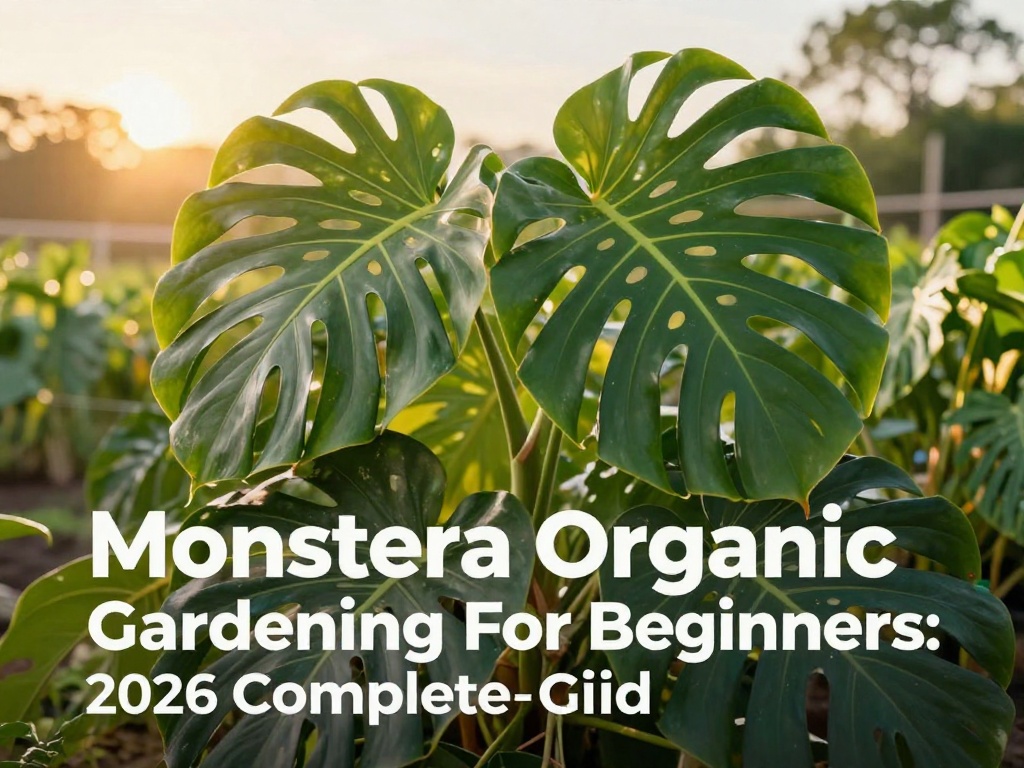
Monstera Organic Gardening for Beginners: 2026 Complete Guide
Welcome to the wonderful world of monstera organic gardening for beginners. If you've fallen in love with the iconic split-leaf Monstera deliciosa and want to grow it using natural, chemical-free methods, you're in exactly the right place. Organic gardening for Monsteras not only produces healthier, more vibrant plants but also ensures your home remains free from synthetic fertilizers and pesticides. This comprehensive guide will walk you through every step of cultivating these stunning tropical beauties using 100% organic approaches.
Why Choose Organic Gardening for Your Monstera
Organic gardening for beginners offers numerous advantages that extend beyond simple plant care. When you commit to natural methods, you're investing in long-term plant health, environmental sustainability, and a safer indoor environment for your family and pets. Monsteras are resilient plants, but they truly thrive when given organic nutrients that mirror their natural rainforest habitat.
Benefits of Going Organic with Monstera
- Enhanced nutrient absorption: Organic matter improves soil structure and microbial activity, making nutrients more accessible to plant roots.
- Reduced chemical exposure: Protect your household from synthetic fertilizers and pesticides that can harm respiratory health.
- Sustainable growth: Organic soil amendments release nutrients slowly, preventing over-fertilization and root burn.
- Environmental responsibility: Organic gardening reduces water pollution and supports beneficial soil organisms.
- Pet and child safety: Most organic solutions are safer if accidentally ingested, though Monstera should still be kept away from pets and children.
Essential Materials for Monstera Organic Gardening
Before diving into the practical aspects of monstera organic gardening for beginners, gathering the right materials is crucial for success. Having quality organic components on hand will make your gardening journey smooth and enjoyable.
Choosing the Right Organic Potting Mix
Monstera plants require a well-draining, nutrient-rich substrate that mimics their natural epiphytic growing conditions. A quality organic potting mix should include several key components that work together to support healthy root development and moisture retention without waterlogging.
- Coco coir: Provides excellent moisture retention while maintaining good aeration—this serves as your base component.
- Organic perlite: Ensures proper drainage and prevents soil compaction in your monstera organic setup.
- aged bark or orchid mix: Mimics the tree bark Monsteras grow on in nature and adds necessary structure.
- Organic compost: Provides slow-release nutrients and beneficial microorganisms for sustained feeding.
- Worm castings: One of the best organic fertilizers for beginners—rich in nutrients and completely gentle on roots.
- Activated charcoal: Helps maintain soil freshness and prevents fungal issues in container growing.
Step-by-Step Monstera Organic Gardening Process
Now let's get into the practical side of monstera organic gardening for beginners. Follow these steps carefully to establish a thriving Monstera using entirely natural methods.
Step 1: Potting Your Monstera Organically
Proper potting technique sets the foundation for successful organic gardening. Choose a pot with adequate drainage holes—terracotta or ceramic containers work beautifully for monstera organic gardening and help regulate soil moisture naturally. The pot should be only 2-3 inches larger than the root ball to prevent overwatering issues.
Begin by placing a layer of large organic perlite or broken pottery at the bottom for enhanced drainage. Add your prepared organic mix until the pot is approximately one-third full. Gently remove your Monstera from its nursery container, being careful not to damage the root system. If the roots are severely rootbound, you can gently loosen the outer roots with clean fingers. Place your plant in the center and fill around the sides with your organic mixture, ensuring the soil level matches the original planting depth.
Step 2: Creating Your Organic Soil Recipe
Mixing your own organic soil for monstera organic gardening ensures quality and allows you to customize the blend for optimal results. Here's a proven recipe that beginners can easily prepare:
- 4 parts quality coco coir or peat-free alternative
- 2 parts aged bark or chunky orchid mix
- 2 parts organic perlite
- 1 part organic compost
- 1 part worm castings
- A handful of activated charcoal
- Optional: Azomite or rock dust for additional minerals
Thoroughly combine all ingredients in a large container or tarp. This mixture provides excellent drainage while retaining sufficient moisture for healthy monstera growth. The organic matter breaks down gradually, feeding your plant naturally over several months.
Step 3: Organic Watering Techniques
Watering is perhaps the most critical aspect of monstera organic gardening for beginners. Overwatering remains the primary cause of Monstera problems, so establishing a proper watering routine is essential. Use filtered or rainwater whenever possible—tap water often contains chlorine and fluoride that can accumulate and damage sensitive root systems over time.
The finger test works perfectly for determining when to water: insert your finger about 2 inches into the soil. If it feels dry, it's time to water thoroughly. When watering for organic gardening, pour water slowly around the base of the plant until it flows freely from the drainage holes. This ensures the entire root zone receives moisture and helps flush out any accumulated salts from organic fertilizers.
Natural Organic Fertilizers for Monstera
Feeding your Monstera with organic fertilizers is one of the most rewarding aspects of monstera organic gardening for beginners. Unlike synthetic fertilizers that can burn roots and deplete soil health, organic options provide balanced nutrition while building long-term soil fertility.
Top Organic Fertilizers for Monsteras
Worm castings represent the gold standard for beginners—they're gentle enough to use with every watering and provide a complete nutritional profile. Simply sprinkle a thin layer around the base of your plant and gently work it into the top inch of soil.
Organic compost tea is another excellent option for monstera organic gardening. Steep one cup of quality organic compost in a gallon of water for 24-48 hours, stirring occasionally. Strain and use the liquid to water your Monstera every 2-4 weeks during the growing season. This liquid fertilizer provides quickly available nutrients while also introducing beneficial microorganisms to your soil.
Banana peel fertilizer offers a potassium-rich boost perfect for promoting large leaf development and the dramatic splits Monsteras are famous for. Place dried banana peels in a jar, cover with water, and let steep for a week. Dilute the solution 1:5 with water and apply during your regular watering routine.
Fish emulsion provides a nitrogen-rich organic option that Monsteras love, though it does have a strong odor. Dilute according to package directions and apply monthly during spring and summer for vigorous growth.
Light and Environmental Requirements
Understanding your Monstera's natural habitat is essential for successful monstera organic gardening for beginners. In the wild, Monsteras grow beneath the rainforest canopy, receiving bright, indirect light filtered through overhead foliage. Replicating these conditions in your home creates the ideal environment for organic success.
Finding the Perfect Light Position
Place your Monstera near an east-facing window where it receives gentle morning sunlight, or several feet back from a south or west-facing window. Direct afternoon sun can scorch the large leaves, causing brown spots and yellowing. Signs that your Monstera isn't receiving enough light include slow growth, smaller new leaves, and loss of the dramatic splits and perforations that make this plant so desirable.
If natural light is limited in your space, organic gardening with Monsteras can still succeed under grow lights. Choose full-spectrum LED grow lights and position them 12-18 inches above your plant, running them for 10-12 hours daily. This approach works exceptionally well for beginners growing Monsteras in offices or basement apartments.
Common Mistakes in Monstera Organic Gardening
Avoiding these frequent errors will accelerate your success with monstera organic gardening for beginners. Many newcomers unintentionally harm their plants through well-meaning but misguided practices.
Mistake 1: Overwatering
The most common beginner error is excessive watering. Monsteras are semi-epiphytic plants with aerial roots that absorb moisture from the air. Their underground roots are susceptible to rot in waterlogged conditions. Always check soil moisture before watering and ensure your pot has adequate drainage holes.
Mistake 2: Using Inappropriate Soil
Regular garden soil or standard potting mixes retain too much moisture for Monstera. Always use the chunky, well-draining organic mix recommended for monstera organic gardening. This mimics their natural epiphytic growing conditions and prevents countless problems.
Mistake 3: Ignoring Humidity Requirements
Monsteras crave humidity levels above 60% for optimal growth. Dry indoor air, especially from heating and cooling systems, causes brown leaf edges and stunted development. Group plants together, use humidity trays with pebbles and water, or run a humidifier nearby to maintain adequate moisture levels.
Mistake 4: Skipping the Transition to Organic
If your Monstera was previously grown with synthetic fertilizers, transition gradually to organic methods. Flush the soil with clean water to remove salt buildup, then begin your organic regimen. This prevents fertilizer shock and allows beneficial soil organisms to establish.
Troubleshooting Common Monstera Problems Organically
Even with excellent care, issues may arise in monstera organic gardening for beginners. Understanding natural solutions for common problems empowers you to maintain plant health without resorting to harmful chemicals.
Yellow Leaves
Yellowing leaves often indicate overwatering, nutrient deficiency, or natural aging of older leaves. For organic solutions, first evaluate your watering schedule—if the soil stays wet for more than a week, reduce frequency. Apply a diluted compost tea or worm casting top-dressing to address potential nutrient deficiencies. Remove yellow leaves that persist, as they're no longer contributing to the plant's health.
Brown Leaf Tips
Brown tips typically signal low humidity, salt buildup from fertilizers, or fluoride sensitivity. Increase humidity around your Monstera using the methods mentioned earlier. If using tap water, switch to filtered or rainwater for monstera organic gardening. Flush the soil thoroughly with clean water to remove accumulated salts.
Pest Control Organically
Common pests including spider mites, mealybugs, and scale can be managed naturally without chemicals. Mix one tablespoon of organic neem oil with one teaspoon of liquid castile soap in a quart of water. Spray the solution on affected areas, covering both the tops and undersides of leaves. Repeat weekly until pests are eliminated. For minor infestations, wiping leaves with a cotton ball dipped in rubbing alcohol provides effective control.
Seasonal Care for Organic Monstera Gardening
Adjusting your care routine throughout the year ensures your Monstera remains healthy during monstera organic gardening for beginners. Understanding seasonal needs allows you to provide appropriate organic care regardless of the time of year.
Spring and Summer Care
The growing season brings active growth and increased nutritional demands. During these months, feed your Monstera every 2-4 weeks with organic compost tea or worm casting applications. Water more frequently as growth accelerates, but always check soil moisture first. This is also the ideal time for repotting if your plant has outgrown its container.
Fall and Winter Care
Growth slows significantly during cooler months, requiring reduced watering and feeding. In monstera organic gardening for beginners, scale back fertilizing to monthly or stop entirely during the darkest winter months. Allow the soil to dry more thoroughly between waterings, as evaporation slows and the plant's water requirements decrease.
The Reward of Patience in Organic Gardening
Monstera organic gardening for beginners requires patience, but the rewards are absolutely worth the wait. Watching your first fenestrated leaf unfold—a leaf with the characteristic holes and splits—is a moment of pure triumph that makes all your careful organic care worthwhile. Your patience in maintaining natural practices will be rewarded with a robust, vibrant plant that purifies your air and transforms your living space.
The journey of organic gardening teaches us to work with nature rather than against it, observing natural rhythms and responding to plant needs intuitively. As your Monstera grows and produces those iconic split leaves, you'll develop a deeper appreciation for the elegant simplicity of organic growing methods.
Frequently Asked Questions
How often should beginners water a Monstera using organic methods?
Watering frequency for monstera organic gardening depends on your environment, but generally every 7-10 days during growing season and every 2-3 weeks in winter. Always use the finger test—water only when the top 2 inches of soil feel dry. Overwatering is the most common beginner mistake, so when in doubt, wait an extra day or two.
What is the best organic soil mix for Monstera beginners?
The best organic soil mix combines four parts coco coir, two parts perlite, two parts bark, one part compost, and one part worm castings. This chunky, well-draining mixture provides excellent aeration while retaining sufficient moisture. Adding activated charcoal helps maintain soil freshness and prevents fungal issues in container growing.
How long does it take to see results from organic gardening with Monsteras?
Results vary depending on current plant health and growing conditions, but expect to see improved vigor within 4-6 weeks of starting organic methods. New leaf growth typically appears within 2-3 months. The characteristic fenestrations (splits and holes) develop as leaves mature, usually within 1-2 months of unfurling on a healthy, well-cared-for plant.
Can I make my own organic fertilizer for Monstera at home?
Absolutely! Simple home organic fertilizers include banana peel tea (soak dried peels in water for a week), compost tea (steep compost in water 24-48 hours), or worm casting top-dressings. For monstera organic gardening, worm castings are particularly beginner-friendly since they won't burn roots even if applied generously. Banana peel fertilizer specifically promotes the dramatic leaf splits Monsteras are prized for.
What are the most common mistakes beginners make with organic Monstera care?
The top mistakes include overwatering, using dense soil that retains too much moisture, providing insufficient humidity (below 50%), placing plants in direct sunlight, and failing to adjust care seasonally. Many beginners also rush to fertilize a stressed plant—the priority should always be correcting environmental issues first. Patience is essential in organic gardening; let your Monstera adjust gradually to any changes.
How much does organic Monstera gardening cost compared to conventional methods?
Initial setup for monstera organic gardening costs slightly more—quality organic soil components and natural fertilizers run around $30-50 initially. However, organic gardening saves money long-term since you won't need frequent fertilizer purchases. Worm castings and compost provide months of nutrition, and compost tea costs almost nothing to make. The investment also reduces plant loss from over-fertilization, making organic methods more economical over time.
Is organic gardening for Monstera suitable for small spaces and containers?
Monstera organic gardening adapts beautifully to small spaces and containers. Choose a pot only slightly larger than the root ball, use a high-quality organic soil mix, and position near bright indirect light. Container growing actually simplifies humidity management—you can create a microclimate on a bathroom windowsill or group containers on a pebble tray. Even apartment dwellers can successfully practice organic Monstera care with the right setup.
No comments