
2026 Herb Seed Saving Techniques: Complete Grower's Guide
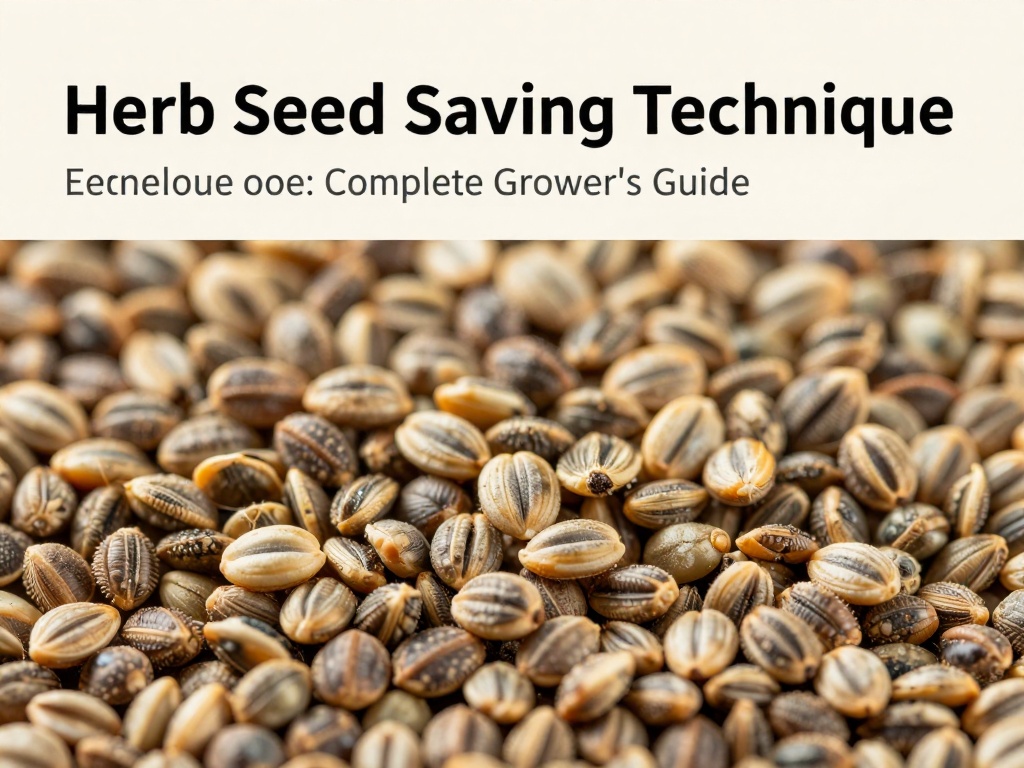
2026 Herb Seed Saving Techniques: Complete Grower's Guide
Herb seed saving technique is one of the most rewarding skills any gardener can develop. By saving seeds from your favorite herbs, you ensure a continuous supply of plants year after year while preserving genetic diversity and reducing gardening costs. This comprehensive guide covers everything you need to know about collecting, processing, and storing herb seeds successfully in 2026.
Why Learn Herb Seed Saving Technique in 2026
Climate change and supply chain disruptions have made self-sufficiency increasingly important for home gardeners. Learning herb seed saving technique gives you independence from commercial seed sources and helps maintain plant varieties adapted to your specific growing conditions. Additionally, saved seeds often produce stronger, more disease-resistant plants over generations.
The Economic Benefits of Saving Seeds
Professional herb seeds can cost $3-5 per packet, but a single mature herb plant can produce hundreds of seeds at no additional cost. Annual seed savings of $50-100 are typical for dedicated herb gardeners, making this skill both economically smart and practically valuable for small-space growers.
Preserving Heritage and Flavor
Commercial seed varieties often prioritize shipping durability over taste. When you master herb seed saving technique, you preserve heirloom varieties with superior flavors that grocery stores rarely stock. Your plants gradually adapt to your soil, climate, and gardening style through each generation.
Understanding Seed Biology Basics
Before collecting seeds, understanding how herbs produce them helps ensure success. Most culinary herbs are open-pollinated, meaning their seeds grow true to parent plants. However, some herbs cross-pollinate readily, requiring isolation or careful selection to maintain variety purity.
Self-Pollinating vs. Cross-Pollinating Herbs
Self-pollinating herbs like basil, cilantro, and parsley produce seeds without needing other plants nearby. Cross-pollinating varieties such as rosemary, sage, and thyme may hybridize when multiple varieties grow together, potentially creating unexpected characteristics in offspring plants.
Timing Your Seed Collection
Seeds must reach full maturity on the plant before harvest. Immature seeds appear pale, soft, or lightweight compared to fully developed ones. Patience during this stage determines whether your saved seeds will germinate reliably next season.
Step-by-Step Herb Seed Saving Technique
Step 1: Identify Ready Seeds
Watch your herb plants throughout the growing season. Seeds typically mature after flowers fade and seed pods dry on the plant. Color changes from green to brown, black, or tan indicate readiness. Test firmness by gently squeezing seeds between your fingers.
Step 2: Choose the Best Parent Plants
Select seeds from your healthiest, most vigorous plants showing desired characteristics. Look for strong stems, abundant foliage, and excellent flavor. Mark these plants early in the season so you avoid harvesting before seeds fully mature.
Step 3: Harvesting Seeds Properly
Morning harvesting after dew dries produces the best results. Cut seed heads or pods into paper bags, leaving them in place if weather remains dry and sunny. For wet climates, bring entire stems indoors to finish drying in a controlled environment.
Step 4: Cleaning and Processing Seeds
Once dry, separate seeds from husks and chaff using gentle rubbing or screening. Pour seeds through different-sized sieves to remove debris efficiently. For small quantities, rubbing seed heads between your palms over a bowl works effectively.
Step 5: Drying Seeds Completely
Moisture causes mold and reduces seed viability during storage. Spread cleaned seeds in thin layers on newspaper, screens, or paper plates. Place them in a warm, dry location away from direct sunlight for one to two weeks, stirring daily to ensure even drying.
Step 6: Proper Storage Methods
Store completely dry seeds in labeled envelopes, glass jars, or paper bags inside airtight containers. Add silica gel packets to absorb residual moisture. Place containers in cool, dark locations like basements or refrigerators, maintaining temperatures between 32-41°F for maximum longevity.
Best Herbs for Beginning Seed Savers
Starting with beginner-friendly herbs builds confidence and skills progressively. These varieties offer reliable seed production and straightforward processing requirements.
Basil: The Perfect Starting Point
Basil produces abundant seeds on tall flower spikes and requires minimal processing. Allow flower heads to dry completely on the plant, then shake seeds into your collection container. Each healthy basil plant yields 500-1,000 seeds for future planting.
Cilantro and Dill: Dual-Purpose Harvest
Both herbs produce coriander and dill seeds that serve culinary and planting purposes. Collect seed heads when they turn brown but before they shatter and drop. These seeds store exceptionally well and maintain germination rates for three to four years.
Parsley: Biennial Seed Production
Parsley seeds require patience since plants don't produce seeds until their second year. However, the wait rewards gardeners with thousands of seeds from each umbel. Harvest when seeds darken and dry completely before storage.
Advanced Herb Seed Saving Methods
Wet Processing for Fleshy Herbs
Herbs like borage and chelone produce seeds inside fleshy fruits requiring different processing. Ferment seedpods in water for two to three days to break down pulp, then rinse thoroughly and dry completely before storage.
Chilling Requirements for Some Species
Several perennial herbs require cold stratification to germinate successfully. Freeze seeds for two to four weeks before planting, or sow them outdoors in fall for natural stratification through winter months.
Isolation Techniques for Variety Preservation
Growing multiple varieties of cross-pollinating herbs requires isolation distances of 500-1,500 feet or physical barriers like row covers. Time plantings so varieties flower at different periods, or dedicate garden space to single varieties for seed saving.
Common Mistakes in Herb Seed Saving Technique
Avoiding these errors dramatically improves your success rates and prevents frustration from failed harvests.
Harvesting Before Complete Maturity
One of the most frequent mistakes beginners make involves collecting seeds too early. Seeds continue developing until they've dried naturally on the plant. Premature harvesting produces non-viable seeds that won't germinate regardless of storage conditions.
Inadequate Drying Before Storage
Storing seeds before they're completely dry causes mold growth and dramatically reduces germination rates. When in doubt, extend your drying period by several days rather than risking moisture damage in storage.
Poor Labeling Practices
Even experienced seed savers forget which variety is which without proper labels. Record the herb name, variety, harvest date, and any notable characteristics immediately upon collection. Use waterproof labels and store documentation with your seeds.
Incorrect Storage Environments
Heat, humidity, and light degrade seed viability over time. Kitchen cupboards near stoves or refrigerators' warm door compartments create poor storage conditions. Invest in proper storage solutions for long-term seed viability.
Testing Seed Viability Before Planting
Before planting an entire collection, verify your saved seeds will germinate reliably using simple tests.
The Paper Towel Method
Dampen a paper towel and place ten seeds on one half, folding the other half over them. Place in a plastic bag and keep warm for five to ten days, checking daily for germination. Calculate percentage germination to determine seeding density for your garden.
The Float Test for Viability
Drop seeds into water and discard floating ones, which typically indicate empty or damaged seeds. This quick test works best for larger seeds and provides only basic viability screening without germination percentage data.
Building Your Seed Library
Organizing your seed collection transforms random saving into a purposeful, sustainable practice.
Creating a Seed Inventory System
Maintain a spreadsheet tracking herb names, varieties, quantities, harvest dates, germination percentages, and planting recommendations. Update records annually and plan new seed saving projects based on your garden's needs and successes.
Seed Exchange and Community Sharing
Connect with local gardening groups or online communities to exchange seeds and knowledge. Genetic diversity improves when you introduce seeds from other local gardeners whose plants have adapted to similar environmental conditions.
FAQ: Frequently Asked Questions About Herb Seed Saving
Can beginners successfully practice herb seed saving technique?
Absolutely. Beginners should start with self-pollinating herbs like basil, cilantro, and dill, which offer straightforward seed saving with minimal risk of unwanted hybridization. Success rates of 80-90% are common with these beginner-friendly varieties.
What is the most common mistake in herb seed saving?
Harvesting seeds before complete maturity causes the most failures. Seeds must finish their development cycle on the plant and dry naturally. Patience during this phase determines whether your efforts result in viable seeds for next season.
When is the best time to collect herb seeds?
Seed collection timing varies by herb species, but generally occurs late summer through fall when flowers have finished blooming and seed pods have dried on the plant. Morning harvesting after dew dries produces optimal results.
How much does herb seed saving cost compared to buying seeds?
Initial investment includes basic supplies like envelopes, silica gel packets, and storage containers costing $20-40. After that, seed saving is essentially free. A single mature herb plant provides hundreds of seeds worth $15-30 in retail value.
How long do saved herb seeds remain viable?
Viability varies by species. Basil seeds last 5-8 years with proper storage, while parsley seeds remain viable for 2-3 years. Most culinary herb seeds maintain good germination for 2-5 years when stored in cool, dry, dark conditions.
Do I need special equipment for herb seed saving technique?
No specialized equipment is required. Basic supplies include paper envelopes, labeled containers, silica gel packets, and simple screens or sieves for cleaning. Most gardeners already own these items or can obtain them inexpensively.
What herbs should I avoid as a beginner seed saver?
Avoid hybrid varieties labeled F1, as their seeds won't grow true to parent plants. Some perennial herbs like rosemary require multiple years before producing seeds, and certain species need complex processing or stratification procedures.
No comments