
2026 Guide to Herb Garden Pollinator Attraction for Beginners
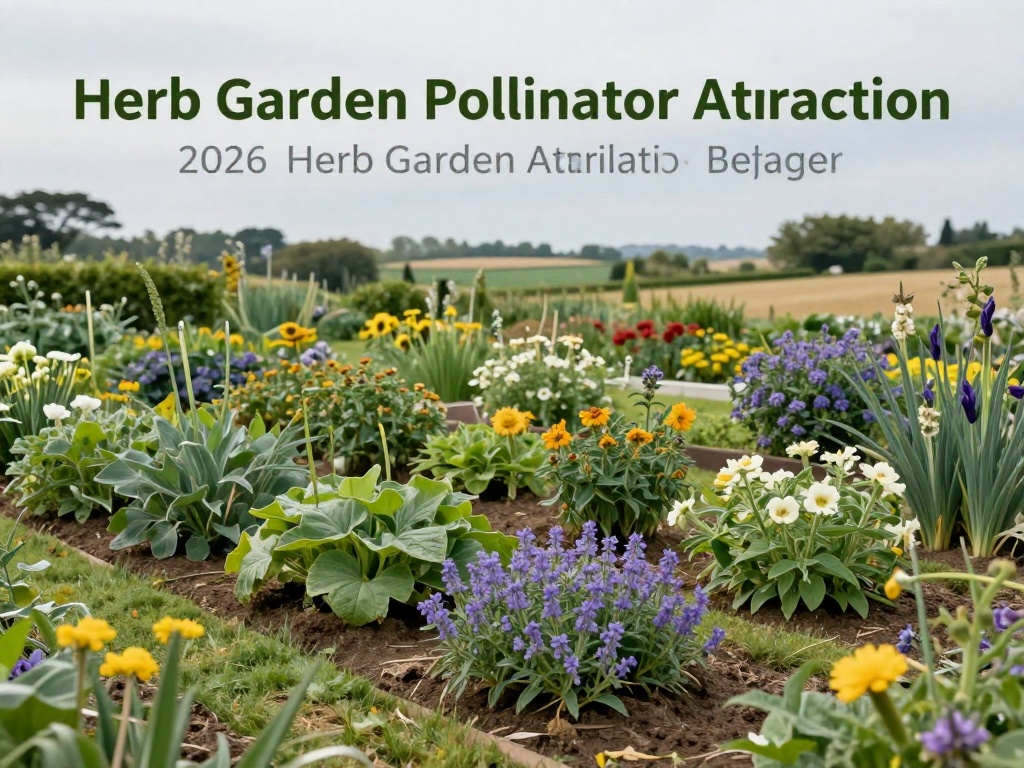
2026 Guide to Herb Garden Pollinator Attraction for Beginners
Creating a thriving herb garden that naturally attracts pollinators is one of the most rewarding gardening decisions you can make. This 2026 guide walks you through step by step how to transform your herb garden into a pollinator paradise while enjoying abundant harvests of basil, rosemary, lavender, and more. Whether you garden in containers, raised beds, or small spaces, these proven techniques will help you attract bees, butterflies, and beneficial insects to your garden.
Why Pollinators Matter for Your Herb Garden
Pollinators play a crucial role in herb garden success. When bees and butterflies visit your herbs, they transfer pollen between flowers, enabling fruit and seed production. Without pollination, many herb varieties will fail to produce the seeds, fruits, and foliage we love to harvest.
In 2026, interest in organic methods and natural approaches to gardening continues to grow. Attracting pollinators naturally reduces the need for chemical interventions while supporting local ecosystems. Your herb garden becomes a sanctuary for beneficial insects that protect your plants from pests.
The Connection Between Pollination and Herb Yield
Research from agricultural universities consistently shows that gardens with diverse pollinator populations produce 30-50% higher yields compared to isolated plantings. This benefit extends beyond herbs to your entire garden ecosystem.
Beyond Yield: Environmental Benefits
When you attract pollinators to your herb garden, you contribute to biodiversity conservation. Native bees, honeybees, and butterflies face declining populations due to habitat loss. Your garden provides essential food sources and shelter.
Best Herbs for Attracting Pollinators
Not all herbs attract pollinators equally. Some varieties produce nectar-rich flowers that bees and butterflies cannot resist, while others may go largely unnoticed by flying insects. Selecting the right herbs makes a significant difference in pollinator diversity.
Top Bee-Friendly Herbs
- Lavender - Purple blooms are irresistible to honeybees and bumblebees throughout summer
- Rosemary - Blooms provide early-season food when other sources are scarce
- Borage - Known as bee bread, this herb attracts dozens of pollinators at once
- Thyme - Low-growing varieties create feeding stations for ground-nesting bees
- Sage - Salvia species produce abundant nectar that butterflies love
Butterfly-Favorite Herb Varieties
Butterflies seek different flower shapes than bees. Flat-topped flowers and those with landing platforms work best for butterfly pollinator attraction.
- Parsley - Allow plants to bolt and flower for umbel-shaped blooms
- Dill - Yellow flower heads attract swallowtails and painted ladies
- Fennel - Provides both nectar sources and host plants for caterpillars
- Chives - Purple pom-pom flowers draw butterflies throughout spring
- Mint - When allowed to flower, mint varieties attract numerous butterfly species
Herbs That Attract Multiple Pollinator Types
For maximum efficiency in small spaces, choose herbs that appeal to diverse pollinator populations. These multi-purpose selections deliver the best return on your garden investment.
Oregano ranks among the best herbs for attracting pollinators across categories. Its tiny clustered flowers produce generous nectar, supporting bees, butterflies, and beneficial wasps simultaneously. Lemon balm, despite its reputation for spreading, offers similar multi-pollinator appeal when allowed to flower freely.
How to Design Your Herb Garden for Pollinators
Garden design significantly impacts pollinator success. Strategic placement, color planning, and seasonal sequencing ensure your herb garden provides continuous food sources from early spring through late fall.
Choosing the Right Location
Most pollinator-friendly herbs require full sun exposure of at least six hours daily. Position your herb garden where morning sun warms plants early, helping pollinators become active sooner. Avoid planting in windy locations, as flying insects struggle in strong currents.
For beginners working in small spaces or containers, south-facing walls work exceptionally well. The reflected heat creates a microclimate that extends your growing season and increases pollinator activity in cooler regions.
Color Planning for Pollinator Attraction
Bees perceive colors differently than humans. They see ultraviolet light and are particularly attracted to blue, purple, yellow, and white flowers. Incorporating herbs with these bloom colors dramatically improves your garden's appeal to pollinators.
Purple-flowering herbs like lavender, rosemary, and salvia should anchor your color scheme. Yellow blooms from dill, fennel, and chamomile provide contrast. White and pink flowers from basil varieties and oregano complete the palette while offering additional nectar sources.
Creating Layered Habitat Structure
Pollinators need more than just food. They require shelter from wind, resting spots between feeding flights, and water sources for survival. Incorporating diverse structures in your herb garden creates welcoming habitat for maximum pollinator populations.
Install flat stones near your herb plantings where butterflies can bask in sunlight to warm their wings. Add shallow dishes with pebbles and water for drinking without drowning risk. Leave some areas of bare soil for ground-nesting bee species that form a crucial part of the pollinator community.
Companion Planting Strategies for Pollinator Success
Companion planting extends beyond pest management. When you combine herbs with complementary flowering times and structures, you create a continuous buffet that keeps pollinators returning throughout the growing season.
Succession Planting for Extended Bloom
Stagger your plantings every two to three weeks to ensure continuous flowering. Early-season herbs like chives and rosemary give way to mid-summer bloomers including basil and oregano, which transition to fall favorites like sage and lavender.
This succession approach requires minimal additional space but delivers maximum pollinator benefit. Even gardeners working exclusively in containers can implement this strategy by timing their plantings carefully.
Herbs That Attract Beneficial Insects
Beyond bees and butterflies, your herb garden can support beneficial insects that prey on garden pests. These predatory insects provide natural pest control, reducing the need for interventions that might harm pollinators.
Yarrow, dill, and fennel specifically attract lacewings, hoverflies, and parasitic wasps. These beneficial species consume aphids, caterpillars, and other herb garden pests. Integrating these herbs throughout your planting creates a self-regulating ecosystem in raised beds or traditional garden rows.
Common Mistakes to Avoid in Pollinator Herb Gardening
Even experienced gardeners sometimes make choices that unintentionally harm pollinator populations. Understanding these common pitfalls helps you create a genuinely welcoming habitat for flying insects.
Overuse of Pesticides and Herbicides
Chemical interventions meant to protect your herbs often devastate pollinator populations. Even organic-approved pesticides can prove harmful when applied during bloom periods or in concentrations that persist on flower surfaces.
Embrace tolerance for minor cosmetic damage. A few holes in basil leaves or slight aphid presence on oregano rarely threatens your harvest. These minor pest populations actually attract beneficial insects that provide long-term natural pest control.
Planting Only Hybrid Varieties
Many modern hybrid herbs have been bred for appearance and flavor at the expense of pollinator attraction. Double-petaled flowers and sterile varieties produce little to no nectar, leaving visiting insects without reward.
Prioritize open-pollinated and heirloom herb varieties whenever possible. These genetic stocks retain their natural flower structures and nectar production. Seed catalogs typically indicate pollinator-friendly characteristics for each variety selection.
Neglecting Native Herb Varieties
While Mediterranean classics like lavender and rosemary attract pollinators, incorporating native herbs ensures you support regional pollinator species adapted to local conditions. Native plants often require less maintenance while providing superior nutrition for local bee and butterfly populations.
Research which herbs naturally occur in your region. Wild bergamot, native mints, and regional sage varieties often outperform introduced species for attracting native pollinators. Contact your local agricultural extension office for guidance on native herb selection.
Seasonal Timing for Maximum Pollinator Attraction
Understanding pollinator activity patterns helps you time your garden for peak impact. Each season presents different opportunities for supporting pollinator populations in your herb garden.
Early Spring Preparation
Pollinators emerge hungry after winter dormancy. Early-blooming herbs like rosemary, chives, and early thyme provide critical first food sources. Plant these varieties along the southern edges of your garden where warmth encourages earliest flowering.
Prepare habitat structures during spring cleanup. Install bee houses, create bare soil patches, and set up water stations before pollinators become active. This preparation ensures welcoming conditions when beneficial insects first appear.
Summer Peak Season Management
Summer brings peak pollinator activity and maximum herb flowering. Allow some plants to bolt and flower deliberately rather than harvesting all growth. These flowering herbs provide essential late-season nutrition while adding beauty to your garden.
Avoid deadheading all spent blooms. Some seed heads provide fall food sources for seed-eating birds while standing stems offer overwintering habitat for beneficial insects. Balance tidy appearance with ecological function.
Fall and Winter Considerations
Fall-blooming herbs like sage, sedum, and late rosemary extend your garden's pollinator support into cooler months. Many pollinators enter winter in larval or adult dormancy within garden debris, stems, and soil.
Resist the urge to completely clean your garden in fall. Leave standing herb stalks through winter. These structures protect overwintering pollinators and provide architectural interest while supporting next season's populations.
Measuring Your Success: Pollinator Garden Monitoring
Tracking pollinator activity helps you evaluate which strategies work best in your specific conditions. Simple observation techniques provide valuable data without requiring specialized equipment.
Simple Observation Techniques
Spend ten minutes each week counting visible pollinators on your herb garden. Note species diversity, visiting frequency, and which herb varieties attract the most activity. Over weeks and months, patterns emerge that guide your future planting decisions.
Photograph unusual visitors to share with local extension services or citizen science projects. Your observations contribute to broader understanding of pollinator populations and habitat needs across different regions.
Signs of Successful Pollinator Attraction
Several indicators confirm your herb garden successfully attracts and supports pollinators. Abundant herb seed production suggests effective pollination. Fruits and vegetables planted nearby thriving indicate spillover benefits from your pollinator-friendly practices.
Increasing species diversity over seasons demonstrates your garden provides comprehensive habitat. The presence of ground-nesting bee activity in bare soil areas confirms you have created appropriate nesting conditions alongside feeding resources.
FAQ: Herb Garden Pollinator Attraction Questions Answered
What is the easiest herb for beginners to grow that attracts pollinators?
Borage ranks among the easiest herbs for beginners while offering exceptional pollinator attraction. This annual plant self-seeds readily, tolerates various conditions, and produces abundant blue flowers that bees visit throughout summer. Simply scatter seeds in spring, and borage returns year after year with minimal effort.
How long does it take to establish a pollinator-friendly herb garden?
You can attract pollinators to your herb garden within the first growing season by planting established herb starts from nurseries. Full ecosystem establishment typically requires two to three years as your plantings mature, diversity increases, and pollinator populations establish residence in your garden habitat.
Which herbs should I avoid if I want to attract pollinators?
Avoid sterile hybrid varieties with double petals, as these produce minimal nectar. French tarragon, which rarely flowers, offers little pollinator value. Additionally, consider whether spreading mint varieties might become invasive in your region, as management challenges may outweigh their pollinator benefits.
Can I attract pollinators to my herb garden if I only have a balcony?
Container gardening works excellently for pollinator attraction when space is limited. Plant lavender, basil, and chives in pots on your balcony. Group containers together to create visible mass plantings that attract pollinators from greater distances. Ensure containers receive at least six hours of daily sunlight.
How much does a pollinator-friendly herb garden cost to establish?
Starting a pollinator-friendly herb garden costs as little as twenty to thirty dollars for seeds and basic supplies. Potted herb starts from garden centers run five to eight dollars each. For budget-conscious gardeners, saving seeds from open-pollinated varieties and propagating from cuttings eliminates ongoing costs entirely.
What effort is required to maintain a pollinator herb garden?
Maintenance requirements for pollinator-friendly herb gardens mirror standard herb gardening. Regular watering during dry periods, occasional fertilizing, and harvesting as needed consume perhaps thirty minutes weekly. The primary additional task involves allowing some plants to flower intentionally rather than harvesting all growth.
When is the best time of day to observe pollinators in my herb garden?
Mid-morning through early afternoon typically offers peak pollinator activity when temperatures reach optimal ranges. Pollinators remain most active between sixty-five and eighty-five degrees Fahrenheit. Overcast days can sometimes offer better observation conditions as insects linger longer on each flower seeking warmth.
Creating a herb garden that attracts pollinators represents one of the most rewarding investments in your garden's future. The benefits extend far beyond your herb harvest, supporting local ecosystems while providing the satisfaction of watching bees and butterflies thrive among your plantings. Start small, observe often, and let your garden evolve naturally into the pollinator sanctuary it was meant to become.
No comments