
Indoor Herb Garden Lighting 2026: Complete Grower's Guide
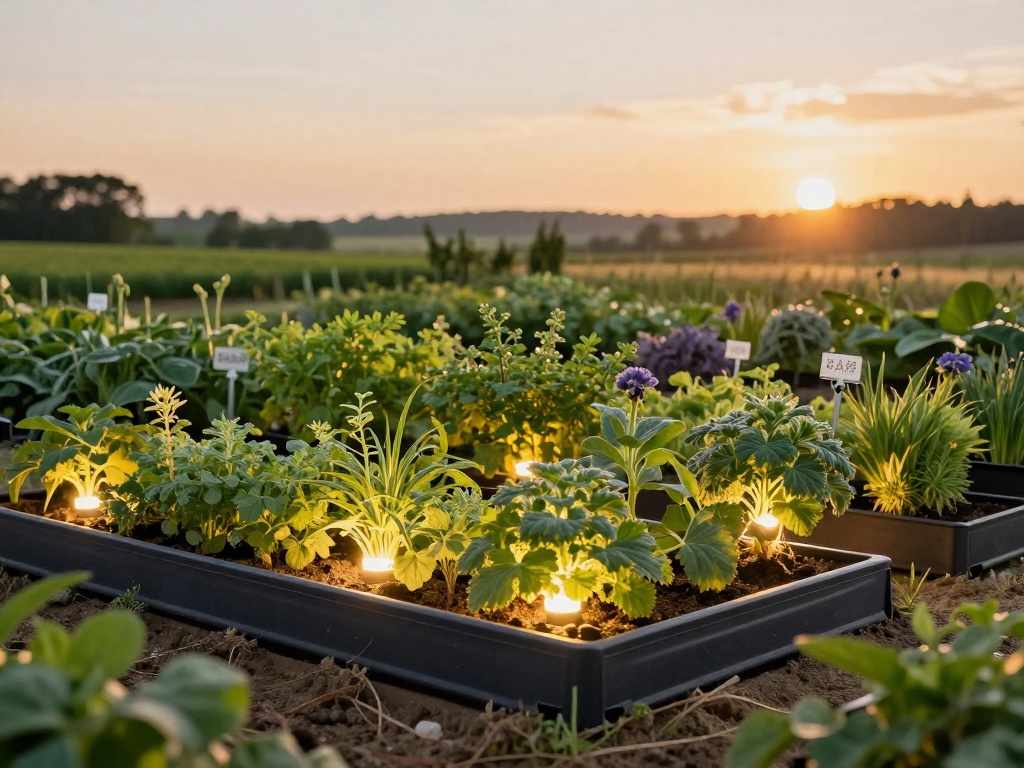
Indoor Herb Garden Lighting 2026: Complete Grower's Guide
Growing herbs indoors offers year-round access to fresh, flavorful ingredients regardless of outdoor conditions. However, successful indoor herb garden lighting remains the most critical factor for plant health and productivity. Without adequate light, even the most carefully tended herbs become leggy, pale, and lacking in essential oils that give them their distinctive flavors.
This comprehensive guide covers everything you need to know about providing proper illumination for your indoor herb garden. Whether you have a small kitchen windowsill setup or a dedicated growing space, understanding light requirements transforms casual growers into successful herb cultivators.
Why Light Matters for Indoor Herb Gardens
Light serves as the energy source for photosynthesis, the process through which plants convert water and carbon dioxide into sugars and oxygen. These sugars fuel growth, root development, and the production of aromatic compounds that make herbs so valuable in cooking and natural remedies.
Indoor environments typically provide far less natural light than outdoor gardens experience. Even the sunniest windowsill may offer only 20-50% of the light intensity that herbs would receive growing outdoors during summer months. This deficit makes supplemental artificial lighting essential for achieving robust, flavorful herbs.
Understanding Light Spectrum and Plant Needs
Plants primarily use red and blue wavelengths for photosynthesis. Red light promotes flowering, fruiting, and overall growth, while blue light encourages strong stems and leaf development. Full-spectrum grow lights that include both wavelengths produce the best results for herb cultivation.
Modern LED grow lights offer excellent spectrum control, allowing you to tailor light quality to your herbs' specific growth stages. Seedlings benefit from higher blue ratios, while mature plants thrive with increased red wavelengths.
Measuring Light Intensity for Herb Gardens
Light intensity is measured in foot-candles or lux. Most culinary herbs require minimum intensities of 2,000-5,000 foot-candles for optimal growth. Sun-loving varieties like basil, rosemary, and oregano need the higher end of this range, while shade-tolerant herbs such as mint and chives can tolerate lower intensities.
A simple light meter app on your smartphone provides approximate readings, helping you identify the brightest spots in your home and ensuring your grow light setup delivers sufficient intensity.
Types of Grow Lights for Indoor Herb Gardens
Selecting the right artificial light source depends on your space constraints, budget, and herb varieties. Each lighting type offers distinct advantages and limitations worth considering before making an investment.
LED Grow Lights: Energy-Efficient Excellence
Light-emitting diode (LED) technology has revolutionized indoor herb gardening through exceptional energy efficiency and customizable spectrum options. LEDs consume up to 60% less electricity than traditional incandescent bulbs while producing significantly less heat.
This reduced heat output allows placing LED fixtures closer to plant canopies without risking leaf burn, maximizing light intensity delivery. Quality LED grow lights typically last 50,000+ hours, making them economical long-term investments despite higher initial costs.
Full-spectrum LED panels work exceptionally well for multi-herb gardens, providing balanced wavelengths that support all growth stages from seedling through harvest.
Fluorescent Lights: Classic Choice for Beginners
Fluorescent tubes, particularly T5 high-output (HO) varieties, have served indoor herb gardeners reliably for decades. These lights deliver good light intensity while remaining affordable and widely available.
T5 fluorescent fixtures produce minimal heat, enabling close positioning to plants in enclosed spaces like grow tents or shelving units. Their broad light distribution suits multi-plant setups where maintaining consistent coverage across several herbs matters.
Compact fluorescent lights (CFLs) in standard bulb formats work adequately for small setups with just a few herbs, offering a budget-friendly entry point into supplemental lighting.
High-Intensity Discharge (HID) Lights
HID lights, including metal halide and high-pressure sodium varieties, deliver extremely high light intensity suitable for large-scale herb production. However, their significant heat output and electricity consumption make them overkill for typical home herb gardens.
These industrial-strength options appeal primarily to commercial growers or dedicated hobbyists cultivating extensive herb collections requiring light intensities difficult to achieve with smaller fixtures.
Setting Up Your Indoor Herb Garden Lighting System
Proper fixture placement and light scheduling determine whether your herbs merely survive or genuinely thrive under artificial illumination. Understanding these practical considerations helps you optimize any lighting setup.
Optimal Light Placement and Distance
Light intensity decreases rapidly as distance from the source increases. Position your fixtures close enough to deliver sufficient intensity without causing heat stress. LED fixtures typically work best 12-24 inches above herb canopy tops, while fluorescent tubes function well at 6-12 inches distance.
Hang fixtures on adjustable chains or stands, allowing you to raise lights as herbs grow taller and lower them when starting seeds or growing compact varieties. Regular adjustments maintain optimal distance throughout the growth cycle.
Uniform light distribution across your entire herb collection prevents uneven growth patterns where some plants stretch toward light while others remain stunted.
Creating Effective Light Cycles for Herbs
Most culinary herbs require 12-16 hours of daily light exposure for healthy growth. Extending daylight hours beyond natural levels compensates for reduced natural light availability and supports vigorous photosynthesis.
Using automatic timers ensures consistent light schedules regardless of your personal schedule. Consistent timing matters more than absolute hours—herbs benefit from predictable light/dark cycles that mimic natural daylength patterns.
Aim for 14-16 hours of light daily during active growth phases, potentially reducing to 12 hours for mature plants you're primarily maintaining rather than encouraging new growth.
Best Herbs for Indoor Growing Under Lights
Not all herbs adapt equally well to indoor cultivation under artificial lighting. Selecting appropriate varieties increases your likelihood of success and ensures satisfying harvests throughout the year.
Top Performers Under Grow Lights
Basil thrives exceptionally well under consistent grow light exposure, rewarding patient gardeners with abundant harvests of aromatic leaves perfect for pesto, caprese salads, and countless other dishes. Provide warmth and moderate humidity alongside bright lighting for best results.
Mint represents an ideal choice for beginners due to its tolerance for varied conditions and vigorous growth habit. Its spreading nature works well in contained environments where root confinement prevents the aggressive spread common in garden plantings.
Chives and green onions tolerate lower light intensities than many other herbs, making them excellent candidates for spaces with limited lighting options. Their mild flavor profile and continuous harvest nature provide ongoing culinary value.
Parsley, cilantro, and dill round out excellent selections for indoor herb gardens, offering fresh garnishes and flavor enhancers readily available from your kitchen counter or windowsill.
Herbs Requiring More Intensive Lighting
Rosemary, thyme, and oregano demand higher light intensities and longer exposure periods to maintain compact, flavorful growth. These Mediterranean natives evolved under intense sunlight and resist indoor conditions that would suit more shade-tolerant varieties.
Position these light-hungry herbs closest to your primary light source, potentially supplementing with additional focused lighting to ensure they receive adequate energy for producing their characteristic aromatic oils.
Common Indoor Herb Garden Lighting Mistakes to Avoid
Understanding typical errors helps you sidestep problems that frustrate beginning herb gardeners and compromise plant health.
Insufficient Light Duration
Providing adequate light intensity but insufficient duration commonly results in weak, spindly growth. Herbs need cumulative daily light exposure—shorter but brighter periods prove less effective than moderate intensity sustained over longer durations.
Many novice growers underestimate how much supplemental lighting indoor herbs require. When in doubt, extending light schedules by 2-4 hours typically improves results more effectively than repositioning fixtures.
Improper Light Distance
Placing grow lights too far from plants wastes energy and delivers insufficient intensity. Conversely, fixtures positioned too close can cause light stress, manifesting as bleached, crispy leaf edges or stunted growth despite adequate water and nutrients.
Monitor your herbs' response to current positioning and adjust accordingly—leggy growth indicates lights are too distant, while leaf damage suggests they sit too close.
Seasonal Considerations for Indoor Herb Lighting
Indoor herb gardens face different challenges throughout the year, requiring adjustments to your lighting approach to maintain consistent growth and productivity.
Winter Growing Challenges
Winter months bring shortest natural daylight periods, increasing reliance on artificial supplementation. This seasonal shift demands extending artificial light durations to compensate for reduced natural availability.
Positioning herbs near south-facing windows maximizes whatever natural light exists while your grow lights provide essential supplemental illumination. Combined natural and artificial approaches often outperform either method alone.
Summer Heat Management
Extended lighting periods combined with warm summer temperatures can stress indoor herbs. LED fixtures' minimal heat output proves particularly valuable during warmer months, whereas traditional incandescent or HID sources may push temperatures beyond comfortable ranges.
Monitor ambient temperatures around your herb garden, ensuring adequate air circulation and potentially reducing supplemental lighting during heat waves when natural daylight provides sufficient energy.
FAQ: Indoor Herb Garden Lighting
What is the best type of grow light for beginners starting an indoor herb garden?
Full-spectrum LED grow lights offer the best combination of energy efficiency, low heat output, and customizable spectrum options for beginners. T5 fluorescent fixtures serve as an excellent budget-friendly alternative. Both options provide adequate intensity for common culinary herbs while remaining simple to set up and operate safely.
How far should grow lights be placed from indoor herb plants?
LED grow lights typically function well at 12-24 inches above plant canopy tops, while fluorescent tubes work effectively at 6-12 inches distance. Start with the higher end of these ranges and adjust based on your herbs' response—leggy growth indicates lights need lowering, while leaf scorching suggests they're positioned too close.
How many hours of daily light do indoor herbs need?
Most culinary herbs require 12-16 hours of daily light exposure for healthy growth. Seedlings and young plants benefit from 14-16 hours, while mature plants can succeed with 12-14 hours. Using automatic timers ensures consistent light schedules regardless of your availability.
Can I use regular household LED bulbs for growing herbs indoors?
Standard household LED bulbs provide illumination for human visibility and typically lack the spectrum balance herbs need for optimal growth. While herbs may survive under regular LEDs, specialized grow lights with balanced red and blue wavelengths produce noticeably healthier, more flavorful results.
What is the approximate cost of setting up indoor herb garden lighting?
Basic setups start around $30-50 for simple LED bulb setups or budget-friendly fluorescent fixtures. Quality full-spectrum LED panels suitable for multiple herbs typically cost $50-150. Commercial-grade systems exceed $200 but offer superior spectrum control and longer lifespans. Operating costs range from $5-20 monthly depending on fixture wattage and local electricity rates.
How long does it take to see results from improved indoor herb lighting?
Visible improvements typically appear within 1-2 weeks of optimizing lighting conditions. Seedlings emerge stronger within days, while established plants show improved coloration and more compact growth within 2-3 weeks. Sustained quality lighting supports continuous improvement throughout the growing season.
Which herbs grow best with minimal natural light in indoor setups?
Mint, chives, parsley, and cilantro tolerate lower light intensities better than most other culinary herbs. These varieties adapt well to conditions where natural window light is limited, though they still benefit from supplemental grow light exposure for optimal health and flavor concentration.
Should I leave grow lights on 24 hours for indoor herbs?
No, herbs benefit from a dark period that allows them to rest and conduct essential metabolic processes. Continuous lighting stresses plants and can inhibit growth. A 14-16 hour light period followed by 8-10 hours of darkness provides optimal conditions for most culinary herbs.
No comments