
Indoor Herb Garden Container: 10 Easy Designs for Fresh Harvests
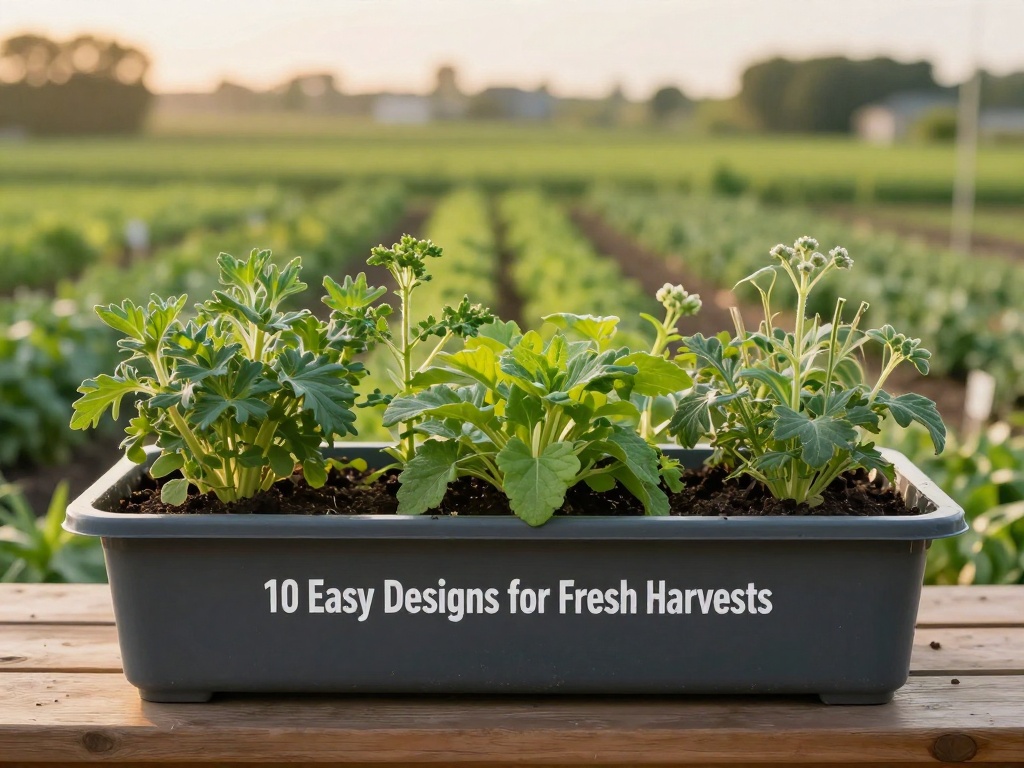
Indoor Herb Garden Container: 10 Easy Designs for Fresh Harvests
Growing an herb garden container indoor setup is one of the most rewarding ways to bring fresh flavors into your kitchen. Whether you have limited outdoor space or simply want convenient access to aromatic herbs year-round, container gardening offers flexibility and success for beginners and experienced gardeners alike. This guide explores the best designs, techniques, and herb varieties to help you create a thriving indoor herb garden.
Why Choose an Indoor Herb Garden Container?
Indoor herb gardens offer numerous advantages that make them appealing to modern home cooks and gardening enthusiasts. Understanding these benefits can help you appreciate why container gardening has become increasingly popular in recent years.
Year-Round Fresh Herbs
With an indoor setup, you can harvest fresh basil, rosemary, and cilantro regardless of the season. Outdoor gardens lie dormant during winter months, but your indoor herb garden continues producing. This means continuous access to flavorful herbs for cooking, teas, and garnishes throughout the entire year.
Space Efficiency
Container gardens fit perfectly on windowsills, countertops, and small balconies. Even apartment dwellers with minimal space can successfully grow multiple herb varieties. You can maximize your available square footage by arranging containers strategically near south-facing windows where herbs receive adequate sunlight.
Pest and Weather Protection
Indoor containers shield your precious herbs from common outdoor threats including aphids, slugs, and harsh weather conditions. You maintain complete control over the growing environment, reducing the need for pesticides and ensuring cleaner, healthier harvests for your family.
Choosing the Right Container for Your Indoor Herb Garden
Selecting appropriate containers significantly impacts your success with indoor herb gardening. The right vessel provides adequate drainage, sufficient root space, and aesthetic appeal that complements your home décor.
Container Materials
Terra cotta pots offer excellent breathability for herb roots, allowing soil to dry evenly between waterings. Ceramic containers retain moisture longer and come in beautiful colors and designs. Plastic containers are lightweight and affordable, though they may not provide the same breathability as natural materials.
- Terracotta: Porous material prevents overwatering, ideal for Mediterranean herbs like thyme and oregano
- Ceramic: Stylish appearance with good moisture retention for herbs that prefer consistent hydration
- Fabric grow bags: Promote excellent root aeration and prevent root circling
- Recycled containers: Budget-friendly options including old cups, jars, and tins with drainage holes added
Size Requirements
Most culinary herbs thrive in containers measuring 6 to 12 inches in diameter. Deep-rooted herbs like rosemary and bay require containers at least 12 inches deep. Shallow-rooted varieties such as chives and parsley can succeed in smaller 4 to 6-inch pots. Always ensure your chosen container has adequate drainage holes to prevent waterlogging.
The 10 Best Herb Garden Container Indoor Designs
1. Windowsill Starter Kit
A classic windowsill design utilizes a long rectangular planter placed directly on your window ledge. This arrangement provides maximum natural light exposure while keeping herbs within arm's reach for quick harvesting. Choose a container at least 6 inches wide per herb plant to allow proper growth and airflow between varieties.
2. Vertical Tower Garden
Maximize limited space with a vertical tower system featuring multiple planting pockets stacked vertically. These designs work beautifully in corners or beside doors where horizontal space is scarce. Plants grow upward rather than outward, allowing you to cultivate 8 to 12 different herbs in a footprint smaller than a standard pot.
3. Hanging Basket Collection
Hanging containers create visual interest while keeping herbs safely away from pets and children. Trailing herb varieties like trailing rosemary and cascading thyme look stunning in hanging arrangements. Install hooks near windows or under grow lights to ensure adequate illumination for healthy growth.
4. Mason Jar Herb Garden
Repurposed mason jars offer a charming rustic aesthetic perfect for modern kitchens. Add a layer of pebbles at the bottom for drainage, followed by potting mix and your chosen herbs. Group several jars together on a decorative tray for an attractive display that doubles as functional kitchen décor.
5. Vertical Wall Planter
Mount a vertical wall planter with multiple pockets to create a living herb wall in your kitchen or dining area. This design serves as both a practical growing system and stunning green artwork. Herbs planted in upper pockets receive more light, so position sun-loving varieties accordingly.
6. Tiered Plant Stand Display
A tiered plant stand allows you to display multiple containers at different heights, creating an attractive mini-garden on any countertop or corner. Stands with three to four shelves accommodate numerous herb varieties while keeping everything organized and accessible for regular harvesting.
7. Self-Watering Planter System
Self-watering containers feature reservoirs that provide consistent moisture to herb roots over several days. These systems prove especially valuable for busy individuals who may forget regular watering schedules. Many models include water level indicators showing when refill is needed.
8. Gutter Garden System
Repurpose old rain gutters into a space-saving herb garden by mounting them horizontally on a wall or fence. Cut gutters to desired lengths and add end caps and drainage holes before filling with quality potting mix. This industrial-chic design works exceptionally well in modern kitchen spaces.
9. Decorative Ceramic Collection
Invest in a matching set of decorative ceramic pots in varying sizes to create a cohesive, stylish herb garden display. Group these containers together on a decorative tray for mobility and unified appearance. Ceramic glazes in earth tones or pastels complement most kitchen aesthetics beautifully.
10. Grow Light Cabinet Garden
For spaces lacking natural window light, consider a cabinet-style growing station equipped with full-spectrum LED grow lights. This enclosed design maintains consistent temperature and humidity levels while providing artificial sunlight essential for photosynthesis. Cabinet gardens enable herb growing in basements, closets, or rooms without windows.
Best Herbs for Indoor Container Gardening
Certain herb varieties adapt particularly well to indoor container environments. Selecting appropriate species increases your chances of achieving abundant harvests and long-lasting plants.
Easiest Herbs to Grow Indoors
- Basil: Thrives in warm, sunny conditions and rewards frequent harvesting with bushier growth
- Chives: Extremely resilient and productive, producing flavorful stalks year after year
- Mint: Grows vigorously in containers and spreads rapidly when given adequate moisture
- Parsley: Tolerates partial shade and provides continuous harvests of fresh leaves
- Cilantro: Quick-growing annual that bolts less frequently when kept slightly cooler
Herbs Requiring More Attention
Mediterranean herbs including rosemary, thyme, and oregano prefer drier conditions and excellent drainage. These varieties demand careful watering practices and benefit from grow light supplementation during darker winter months. Place them in your sunniest window and allow soil to dry between waterings for best results.
Essential Care Tips for Indoor Herb Gardens
Lighting Requirements
Most culinary herbs require at least 6 hours of direct sunlight daily. South-facing windows typically provide the strongest natural light exposure. If natural light proves insufficient, supplement with LED grow lights positioned 6 to 12 inches above plants. Watch for signs of inadequate lighting including leggy growth, pale leaves, and reduced flavor intensity.
Watering Practices
Container herbs typically require watering every 2 to 3 days, though frequency depends on container material, room humidity, and plant size. Always water thoroughly until excess drains from bottom holes, then allow the top inch of soil to dry before watering again. Overwatering causes root rot, while underwatering leads to wilted, stressed plants.
Soil and Fertilization
Use high-quality potting mix specifically formulated for container plants rather than garden soil. Regular potting soil compacts too heavily in containers and may contain pests or diseases. Feed herbs every 2 to 4 weeks with diluted liquid fertilizer during active growing seasons to maintain healthy, vigorous growth.
Common Problems and Solutions
Yellowing Leaves
Yellow leaves often indicate overwatering, nutrient deficiency, or insufficient light. Examine your watering schedule first, ensuring containers drain properly. If moisture levels seem correct, consider adding balanced liquid fertilizer. Move plants to brighter locations or add supplemental lighting to address light-related issues.
Fungus Gnats
These tiny flying insects thrive in moist soil conditions common with indoor herb gardening. Prevent infestations by allowing soil surfaces to dry between waterings and using sticky traps to catch adult gnats. A layer of sand on top of soil can deter females from laying eggs in the growing medium.
Leggy Growth
Insufficient light causes herbs to stretch toward available light sources, resulting in weak, elongated stems. Regular pruning encourages bushier, more compact growth. Rotate containers weekly to ensure even light exposure on all sides of each plant, promoting symmetrical development.
FAQ
What size container is best for indoor herb gardening?
Choose containers at least 6 inches in diameter and 6 to 12 inches deep for most culinary herbs. Larger containers like 12-inch pots work better for spreading herbs like mint and basil, while smaller 4-inch containers suffice for compact varieties like chives and thyme.
How much light do indoor herb gardens need?
Most herbs require 6 to 8 hours of direct sunlight daily for optimal growth and flavor development. South-facing windows provide the best natural light, while east or west-facing windows offer adequate light for more shade-tolerant varieties like parsley and chives.
Can I grow multiple herbs in one container?
Yes, you can combine herbs with similar water and light requirements in a single large container. Mediterranean herbs like rosemary, thyme, and oregano share compatible needs and grow well together. Avoid planting herbs with conflicting requirements, such as pairing moisture-loving basil with drought-preferring sage.
No comments