
Curing Sweet Potatoes for Long-Term Storage: 2024 Proven Step-by-Step Guide
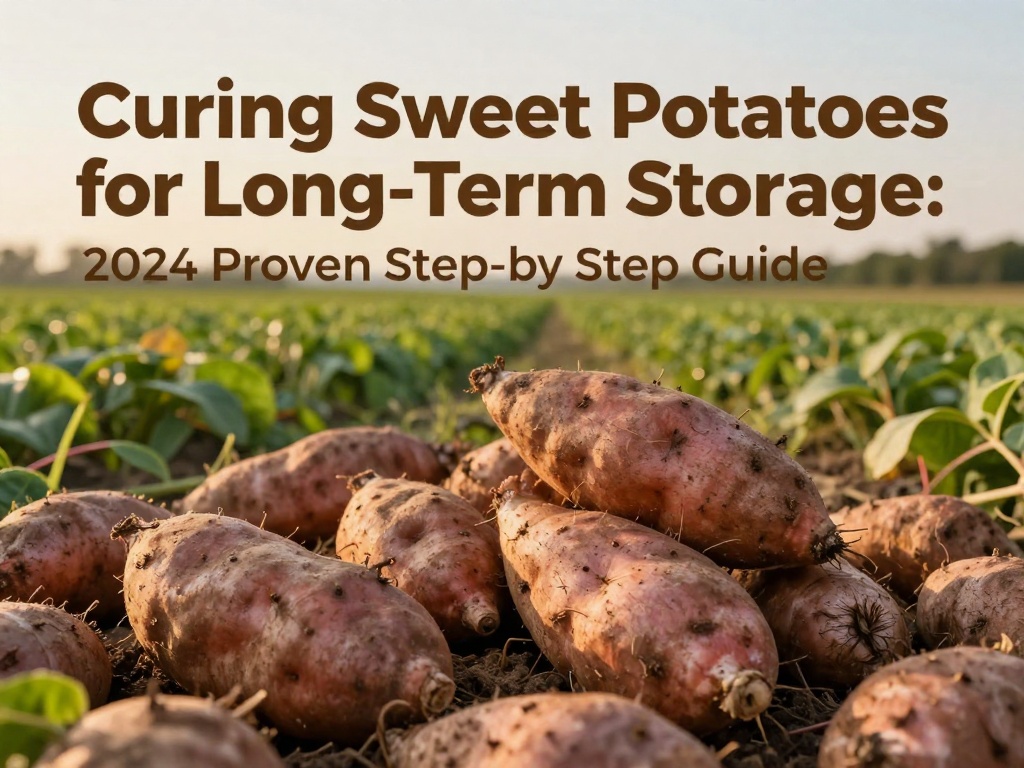
Curing Sweet Potatoes for Long-Term Storage: 2024 Proven Step-by-Step Guide
Curing sweet potatoes for long-term storage is a non-negotiable step for small-scale farmers, home gardeners, and homesteaders looking to cut post-harvest waste. Unlike many common root vegetables, sweet potatoes require a controlled healing period to seal cuts, thicken their skin, and convert starches to natural sugars that boost flavor and shelf life. The USDA estimates that proper curing reduces sweet potato spoilage rates by over 70% during storage, making it a high-return investment for any grower.
Why Curing Is Critical For Sweet Potato Longevity
Heals Harvest Damage
Even the most careful harvesting process leaves small nicks, scrapes, or abrasions on a sweet potato’s thin, fragile outer skin. Curing creates a tough, protective outer layer that seals these wounds, preventing mold, bacteria, and pests from infiltrating the root during storage. Uncured sweet potatoes often start rotting within 2-3 weeks of harvest, while fully cured roots can last 6-12 months in the right conditions.
Boosts Flavor And Nutritional Value
Raw, freshly harvested sweet potatoes have a mild, starchy taste that pales in comparison to cured varieties. During the standard curing period, starches inside the root break down into natural sugars, creating the signature rich, sweet flavor consumers and home cooks prefer. A 2023 study from the University of Georgia’s Department of Horticulture found that curing also increases beta-carotene levels by up to 15%, boosting the vegetable’s core nutritional profile.
Step-by-Step Process To Cure Sweet Potatoes Correctly
1. Harvest At The Right Time First
Harvest mature sweet potatoes before the first fall frost, when soil temperatures stay consistently above 55°F (13°C). Frost damage to roots drastically reduces their ability to cure properly and raises spoilage risk. Brush off excess soil gently—never wash sweet potatoes before curing, as excess moisture introduces dangerous mold growth.
2. Set Up Your Ideal Curing Environment
Sweet potatoes require strict temperature and humidity levels to cure successfully. Maintain a constant temperature of 80-85°F (27-29°C) and 85-90% relative humidity for the entire curing period. For small-scale growers, this can be achieved with a heated greenhouse, a spare indoor room with a small humidifier, or an insulated plastic bin. Commercial farmers rely on dedicated curing facilities to maintain these conditions at scale.
3. Complete Curing And Prep For Long-Term Storage
Cure most common sweet potato varieties for 10-14 days; smaller, newer hybrid varieties may only need 7 days to fully cure. Once curing is complete, move the roots to a long-term storage space with temperatures of 55-60°F (13-15°C) and 75-80% humidity. Never store cured sweet potatoes in the refrigerator, as temperatures below 50°F break down their natural sugars and create a hard, woody texture.
Common Curing Mistakes To Avoid
Ignoring Humidity Levels
Too little humidity during curing will cause sweet potatoes to shrivel and lose critical moisture, while excess humidity can lead to widespread mold growth. A $10 digital hygrometer to track conditions accurately is a small investment that prevents thousands of dollars in lost crop yield for small and commercial growers alike.
Rushing The Curing Process
Cutting the curing period short to move roots into storage early means your sweet potatoes will never develop their protective skin or full sugar content. They will spoil much faster than fully cured roots, wasting months of growing and harvesting effort. Stick to the recommended 7-14 day window for your specific variety.
Frequently Asked Questions About Curing Sweet Potatoes
Can I cure sweet potatoes without a dedicated greenhouse or heated space?
Yes, home growers can cure small batches of sweet potatoes in a tightly covered plastic bin stored in a warm interior closet. Add a damp towel to maintain consistent humidity, and use a small space heater to keep temperatures in the target 80-85°F range if your home runs cooler.
How long do cured sweet potatoes last in long-term storage?
When stored at the recommended 55-60°F and 75-80% humidity, cured sweet potatoes last 6-12 months. Check your stored roots monthly for any signs of rot or shriveling, and remove damaged roots immediately to prevent them from spoiling nearby produce.
Can you cure severely damaged or frost-bitten sweet potatoes?
Minor scrapes and nicks will heal fully during the curing process, but severely bruised, cut, or frost-damaged sweet potatoes cannot be cured for long-term storage. Use these damaged roots within a week of harvest instead of adding them to your curing pile to avoid introducing mold to healthy roots.
No comments