
Pumpkin Companion Planting in Small Spaces: 2026 Guide
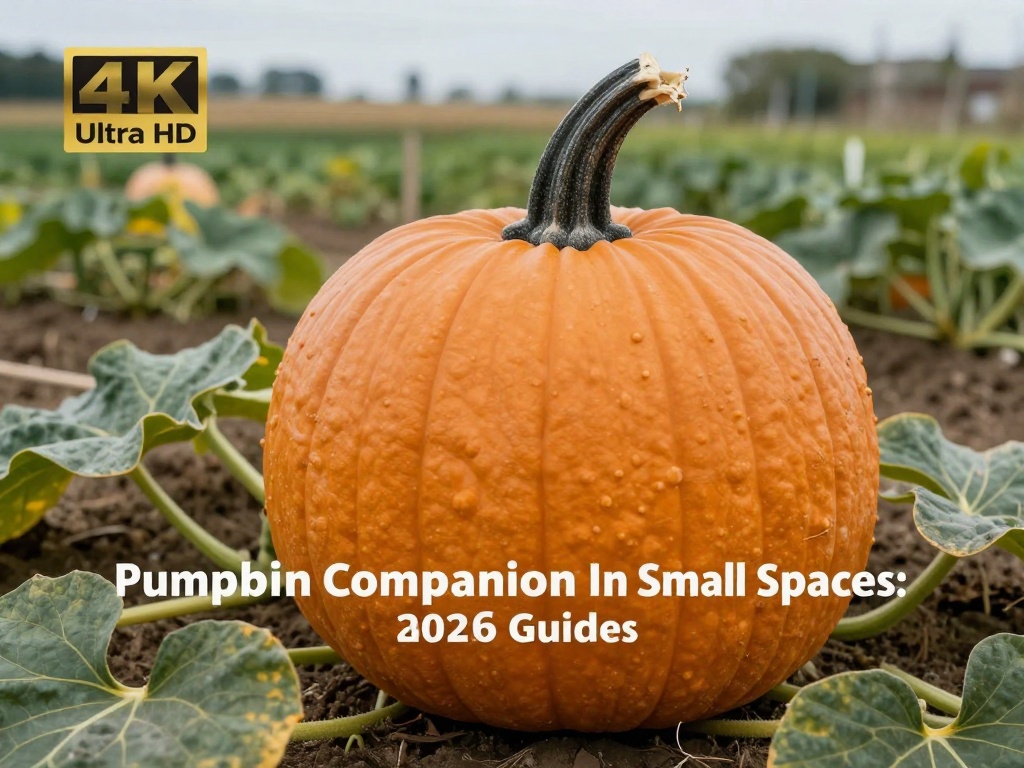
Pumpkin Companion Planting in Small Spaces: 2026 Guide
Growing pumpkins in limited garden spaces might seem challenging, but companion planting makes it entirely possible. By strategically pairing pumpkins with complementary plants, you can maximize every square foot of your garden while naturally deterring pests and improving soil health. This guide reveals the best companion plants for pumpkins in small spaces and how to implement them effectively.
Why Companion Planting Works for Pumpkins
Pumpkin companion planting in small spaces works because different plants offer mutual benefits when grown together. Some plants fix nitrogen in the soil, while others attract beneficial insects or provide ground cover that retains moisture. The sprawling nature of pumpkin vines actually becomes an advantage in tight spaces—they can be trained to grow vertically on trellises or allowed to spread across pathways, making productive use of areas that would otherwise go unused.
The Three Sisters Method
Indigenous farming practices introduced the brilliant concept of growing corn, beans, and squash together. Pumpkins, being part of the squash family, thrive using this same method. The corn provides support for climbing beans, which fix nitrogen that feeds both the corn and pumpkin plants. Meanwhile, the broad pumpkin leaves act as living mulch, suppressing weeds and conserving soil moisture.
Space Maximization Through Vertical Growth
When space is limited, consider training pumpkin vines upward onto sturdy supports. Compact pumpkin varieties like "Jack Be Little" or "Munchkin" are ideal candidates for vertical growing. Position companion plants at the base of these vertical structures to create a layered garden that harvests multiple crops from a single footprint.
Best Pumpkin Companion Plants for Small Gardens
Corn
Corn serves as an excellent companion for pumpkins in small space gardens. It provides structural support for vertical pumpkin growth and creates shade that helps regulate soil temperature during hot summer months. Plant corn in blocks rather than rows for proper pollination, then intersperse pumpkin plants throughout the block.
Beans and Legumes
Beans and other legumes are among the most valuable companions for pumpkins because they capture atmospheric nitrogen and deposit it into the soil through their root systems. This natural fertilization benefits pumpkin growth significantly. Bush beans work particularly well in confined spaces, while pole beans can climb corn stalks alongside pumpkin vines.
Marigolds
Marigolds are powerhouse companions for pumpkins in small space gardening. Their pungent scent repels aphids, squash bugs, and beetles that commonly damage pumpkin plants. Plant marigolds around the perimeter of your pumpkin patch or intersperse them among vines to create a natural barrier against pests. The bright flowers also attract pollinators that improve pumpkin fruit set.
Nasturtiums
Nasturtiums serve as trap crops for aphids, drawing these destructive pests away from your pumpkins. In small gardens where pest problems can quickly decimate crops, having nasturtiums nearby provides an sacrificial buffer zone. Additionally, nasturtiums repel whiteflies and attract beneficial insects like predatory wasps that control other garden pests.
Radishes
Radishes make excellent quick-growing companions for pumpkins. Plant them along the edges of pumpkin patches—they mature rapidly, often within 25-30 days, allowing harvest before pumpkin vines spread to occupy that space. Radishes help break up soil compaction and can be succession planted throughout the growing season.
Sunflowers
Sunflowers attract pollinators and beneficial insects to your pumpkin garden, significantly improving fruit development. Their tall stalks can also support lightweight pumpkin varieties when trained properly. Choose compact sunflower varieties for small spaces to prevent overshadowing your pumpkins.
Plants to Avoid Near Pumpkins
Brassicas
Avoid planting pumpkins near cabbage, broccoli, cauliflower, and other brassicas. These heavy feeders compete with pumpkins for the same nutrients, resulting in poor growth for both plant families. Additionally, brassicas attract the same pest species that damage pumpkins, creating concentrated problem areas.
Potatoes
Potatoes and pumpkins should never share close quarters in small gardens. Both are heavy feeders that compete aggressively for soil nutrients, and potatoes can actually inhibit pumpkin growth through allelopathic effects. Keep these two crops on opposite ends of your garden for optimal results.
Other Cucurbits
While it might seem logical to group similar plants together, avoid planting pumpkins near other cucurbits like cucumbers, melons, and squash varieties. These plants are susceptible to the same diseases and pests, so clustering them together creates ideal conditions for rapid problem spread throughout your entire crop.
Tips for Small Space Pumpkin Success
Choose the Right Varieties
Select bush-type pumpkin varieties bred specifically for compact growing. "Sugar Pie," "Baby Boo," and "Wee-Bee Little" are excellent choices for containers and small garden beds. These varieties produce full-sized fruit on plants that occupy minimal horizontal space.
Implement Square Foot Gardening
The square foot gardening method works exceptionally well for pumpkins. Plant one pumpkin per square meter, then position quick-growing companions like radishes or lettuce in the surrounding squares. By the time your pumpkin vines expand, the fast-maturing companions will already be harvested.
Use Container Growing
Pumpkins thrive in large containers on patios, decks, or balconies when ground space is unavailable. Use containers at least 20 gallons in size with good drainage. Position containers where morning sun reaches the plants, and train vines to cascade over container edges or climb nearby supports.
Practice Strategic Pruning
In confined spaces, prune pumpkin vines to keep them manageable. Remove secondary vines once your primary vine produces female flowers and sets fruit. This directs energy toward fruit development rather than excessive vegetative growth, resulting in healthier plants and better yields within limited footprints.
FAQ
Can I grow pumpkins and tomatoes together in small spaces?
While not the worst combination, pumpkins and tomatoes are both heavy feeders that compete for nutrients. If growing together is necessary, provide extra compost and consistent fertilization. Monitor both plants closely for signs of nutrient deficiency and ensure adequate spacing to allow air circulation between foliage.
What herbs grow well with pumpkins in containers?
Borage, dill, and cilantro make excellent herb companions for container-grown pumpkins. Borage specifically repels tomato hornworms and attracts pollinators. These herbs can be grown in smaller pots positioned around your main pumpkin container without competing for the same soil resources.
How close can I plant pumpkin companions in small gardens?
For small space gardens, position companion plants 12-18 inches from pumpkin crowns to prevent competition while still providing benefits. Quick-growing companions like radishes can be planted as close as 6 inches since they harvest before significant competition develops. Always consider the mature spread of both plants when planning spacing.
Can pumpkins grow vertically on trellises in small spaces?
Yes, pumpkins can be grown vertically using sturdy trellises or supports. This technique works best with smaller pumpkin varieties weighing under 10 pounds. Use cloth slings or mesh bags to support developing fruit, attaching them to the trellis to prevent the weight from pulling the fruit from the vine. Vertical growing can reduce your garden footprint by up to 75%.
No comments