
Pruning Vertical Gardening in Pots: 10 Expert Techniques for 2026
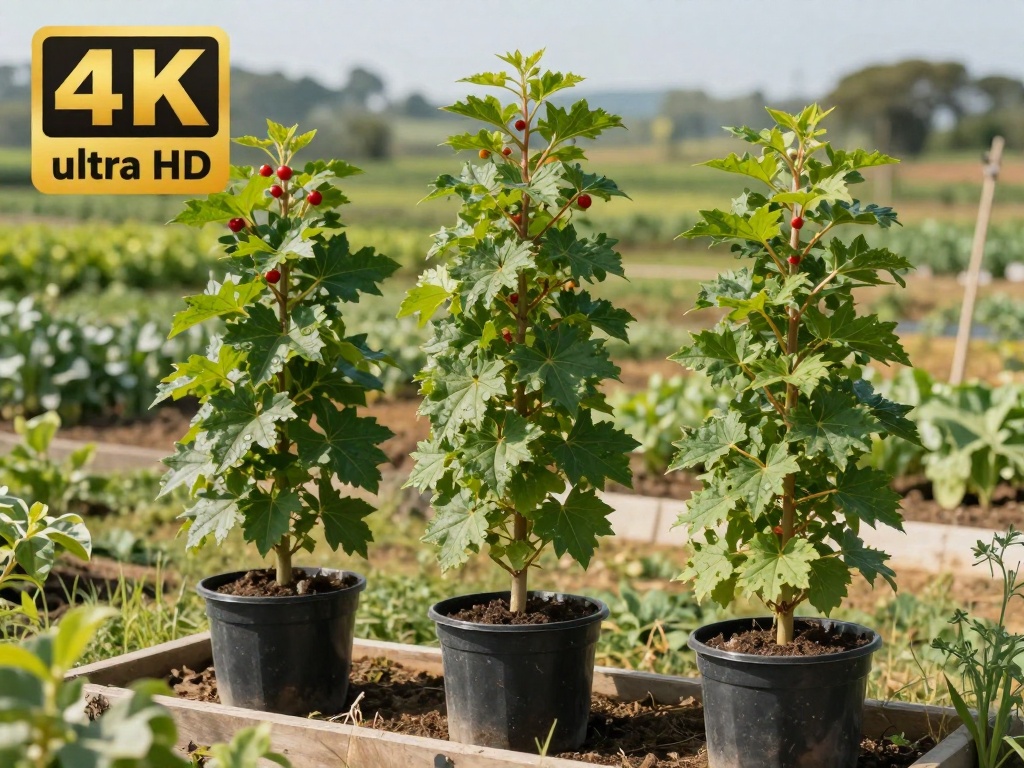
Pruning Vertical Gardening in Pots: 10 Expert Techniques for 2026
Vertical gardening in pots transforms limited spaces into lush, productive growing areas. However, without proper pruning techniques, your vertical plants can become tangled, diseased, and less productive. This comprehensive guide reveals essential pruning methods that will transform your vertical pot garden into a thriving, space-efficient oasis.
Why Pruning Matters in Vertical Potted Gardens
Pruning vertical gardening in pots differs significantly from traditional garden pruning. Container plants have restricted root systems, making above-ground growth management crucial for plant health. Regular pruning redirect energy to fruit production, improves air circulation, and prevents the leggy growth that plagues vertically grown plants.
The Space Constraint Challenge
Pots limit nutrient availability and water retention compared to ground planting. When you prune strategically, you help plants allocate limited resources to the most productive areas. This becomes especially important in vertical arrangements where multiple plants compete for light and airflow.
Disease Prevention Through Proper Cuts
Vertical gardens often experience reduced air circulation due to close plant spacing. Proper pruning opens the canopy, allowing air to flow freely through your vertical structure. This simple practice dramatically reduces fungal infections and pest infestations that thrive in humid, stagnant conditions.
Essential Pruning Tools for Vertical Garden Success
Using the right tools makes pruning vertical gardening in pots safer and more effective. Quality tools produce clean cuts that heal quickly, reducing disease entry points.
- Bypass pruners: Ideal for green stems up to ¾ inch thick
- Precision snips: Perfect for delicate herbs and flowers
- Long-handled loppers: Reach into dense vertical canopies
- Disinfectant spray: Prevents cross-contamination between plants
10 Expert Pruning Techniques for Vertical Potted Gardens
1. The Central Leader Method
This technique works exceptionally well for tomatoes, peppers, and small fruit trees grown vertically. Identify the main growing point and remove competing vertical shoots. The central leader receives the most light and produces the strongest fruit-bearing branches. This method creates a natural column shape perfect for vertical trellis systems.
2. Pinch-and-Remove for Bushier Growth
For herbs like basil, mint, and oregano grown in vertical pots, pinching the growing tips encourages branching. Remove the top two sets of leaves when plants reach 6 inches tall. This single action doubles your harvest potential from each pot position in your vertical system.
3. The Missouri Cue Training System
This proven technique involves removing all suckers below the first flower cluster while training the main stem along your vertical support. In indeterminate tomatoes, this method concentrates energy into fruit production rather than excessive vegetative growth. Install simple soft ties every 8 inches to secure stems.
4. Basket-Rim Pruning for Hanging Verticals
Plants in hanging vertical pockets need regular rim pruning to prevent overhang that blocks light to lower plants. Trim any stems extending beyond the container rim by half their length. This maintains the intended shape of your vertical display while promoting even growth throughout the structure.
5. Seasonal Rejuvenation Cuts
Perennial herbs like rosemary and thyme benefit from annual rejuvenation pruning in early spring. Remove one-third of the oldest growth, cutting just above outward-facing buds. This stimulates fresh growth from the base and prevents the woody, unproductive centers that plague aging vertical herbs.
6. Deadheading for Continuous Blooms
Vertical gardens featuring flowering plants require regular deadheading to maintain visual appeal and productivity. Remove spent blooms at their base, cutting just above the first healthy leaf node. This redirects energy from seed production back into flower formation, extending your display by several weeks.
7. Root Pruning During Transplanting
Vertical pot gardens eventually outgrow their containers. When transplanting to larger vertical positions, prune roots by one-third before replanting. Trim any circling roots and loosen the root ball before placing in fresh potting mix. This prevents transplant shock and encourages new root development.
8. Thinning for Light Penetration
Dense vertical plantings often suffer from internal shading. Remove entire stems at their origin point to open the canopy. Focus on inward-growing branches and any that cross over neighboring plants. Aim for removing 20-30% of foliage to dramatically improve light distribution throughout your vertical structure.
9. Heading Back for Structural Control
When plants exceed their allocated vertical space, heading back cuts become essential. Cut stems back to just above a healthy bud or lateral branch. This maintains your garden's designed shape while encouraging controlled regrowth in desired directions. Perform these cuts during active growth for fastest recovery.
10. The 3-Cut Method for Large Branch Removal
When removing larger branches from vertical fruit trees, use this safe technique. Make your first cut 12 inches from the branch union, cutting halfway through from underneath. The second cut removes the stub completely, cutting from above. The final cut shapes the collar for proper healing. This prevents bark tearing that invites disease.
Timing Your Pruning for Maximum Results
When you prune vertical gardening in pots affects plant health and productivity. Spring-blooming plants should be pruned immediately after flowering to preserve next year's buds. Summer vegetables respond best to light maintenance pruning throughout the growing season with major restructuring in early spring.
Weather Considerations
Avoid pruning during rainy periods when fungal spores spread easily through fresh cuts. The ideal time is during dry weather with forecast sunshine, allowing cuts to callous quickly. Morning pruning gives plants the full day to begin healing before nightfall.
Common Pruning Mistakes to Avoid
Many gardeners undermine their vertical gardens through well-intentioned but harmful pruning practices. Understanding these mistakes protects your plants from preventable damage.
- Never remove more than 30% of foliage in a single session
- Avoid pruning during extreme heat or cold stress periods
- Never leave stubs that die back and invite disease
- Resist the urge to over-thin, which sunscalds fruit and stems
Caring for Plants After Pruning
Post-pruning care ensures your vertical garden recovers quickly and continues thriving. Water deeply after major pruning sessions to help plants recover from stress. Avoid fertilizing immediately, as this encourages tender growth vulnerable to pest damage before cuts heal fully.
Monitoring Recovery and Adjusting Techniques
After pruning vertical gardening in pots, watch for signs of healthy recovery. New growth appearing within 1-2 weeks indicates successful technique application. Yellowing leaves or wilting beyond normal post-prune stress may signal over-pruning or infection at cut sites.
FAQ
How often should I prune plants in vertical pot gardens?
Light maintenance pruning should occur every 1-2 weeks during active growing season. Major structural pruning happens during spring dormancy or early growing season. Monitor plants weekly and remove dead or diseased material immediately regardless of schedule.
Can I use hedge shears for pruning vertical garden plants?
Hedge shears work only for formal, leafy hedging plants like small boxwood in vertical topiary. Most vegetable and herb plants require precision cuts with hand pruners or snips to avoid damaging stems and to ensure clean healing.
What is the best time of day to prune vertical garden plants?
Morning hours between 6 AM and 10 AM offer ideal conditions. Plants have shed overnight moisture, and cuts dry quickly in rising temperatures. Avoid pruning in evening hours when cuts remain damp overnight, increasing fungal disease risk.
Should I seal pruning cuts with tree wound dressing?
Modern research shows wound sealants often trap moisture and pathogens rather than preventing them. Trees and woody plants heal naturally when pruned correctly with sharp tools. Leave cuts unsealed on healthy plants and only treat suspicious wounds with proper fungicide if advised.
No comments