
Parsley Organic Gardening: Easy Method for Beginners (2025)
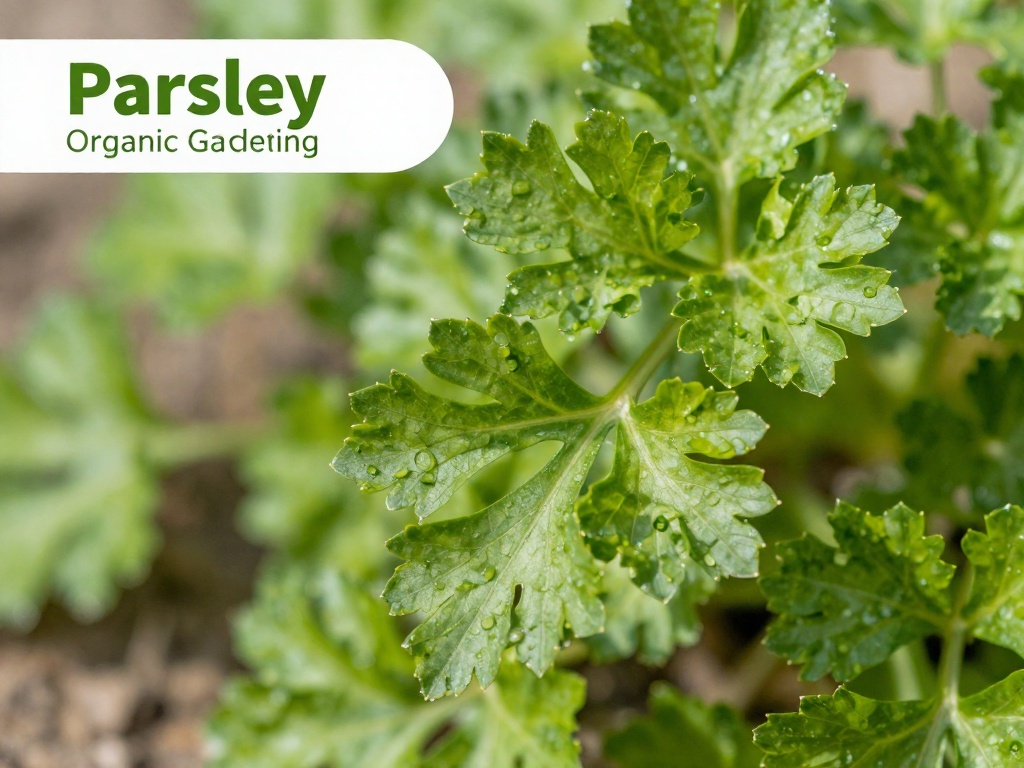
Parsley Organic Gardening: Easy Method for Beginners (2025)
Parsley organic gardening is one of the most rewarding beginner-friendly projects you can start in your backyard or container garden. This aromatic herb not only adds vibrant flavor to your kitchen creations but also packs a powerful nutritional punch with vitamins A, C, and K. Whether you have a sprawling garden or just a sunny windowsill, growing parsley organically ensures you get the freshest, chemical-free leaves whenever you need them. In this comprehensive guide, we'll walk you through the easiest method to grow parsley successfully, from planting to harvest.
Why Choose Parsley for Your Organic Garden
Parsley is an excellent choice for organic gardeners for several compelling reasons. First, it's remarkably resilient and can tolerate light frosts, making it suitable for multiple growing seasons. Second, parsley attracts beneficial insects like ladybugs and parasitic wasps that help control garden pests naturally. Third, once established, a single parsley plant can produce abundant harvests for months, providing continuous value for your kitchen.
Nutritional Powerhouse
Fresh parsley contains more vitamin C than oranges and more vitamin K than any other culinary herb. Adding homegrown organic parsley to your diet supports bone health, boosts immunity, and provides powerful antioxidant benefits. By growing your own, you guarantee maximum freshness and nutrition without worrying about pesticide residues.
Versatility in the Kitchen
From tabbouleh salads to chimichurri sauces, parsley elevates countless dishes with its fresh, slightly peppery flavor. Having organic parsley readily available encourages creative cooking and helps reduce food waste from store-bought bunches that often spoil before use.
Choosing the Right Parsley Variety
Before starting your parsley organic gardening journey, selecting the appropriate variety matters significantly. The two main types each serve different purposes in the kitchen.
Flat-Leaf Parsley (Petroselinum crispum)
Also known as Italian parsley, this variety offers superior flavor and is the preferred choice for cooking applications. Flat-leaf parsley grows vigorously and produces an abundance of dark green leaves that stand up well to heat. If you plan to use parsley primarily in recipes, this variety is your best bet.
Curly-Leaf Parsley (Petroselinum crispum var. crispum)
Curly parsley adds visual appeal to garnishes and presentations thanks to its ruffled leaves. While slightly milder in flavor, it works well in salads, dressings, and as a decorative element. Both varieties grow equally well using our easy organic method.
The Easy Method: Step-by-Step Parsley Organic Gardening
Step 1: Selecting the Perfect Location
Parsley thrives in locations receiving 6-8 hours of direct sunlight daily, though it tolerates partial shade, especially in hotter climates. Choose a spot with good air circulation to prevent fungal issues. If growing in containers, place them on your brightest windowsill or patio where they'll receive adequate morning sun.
Soil drainage is crucial for parsley success. Standing water causes root rot, so avoid low-lying areas where water pools after rain. Raised beds or containers with drainage holes work exceptionally well for this herb.
Step 2: Preparing Organic Soil Mix
Creating the ideal growing medium is the foundation of successful parsley organic gardening. Mix equal parts of high-quality organic compost, garden soil, and coconut coir or peat moss. This combination provides excellent drainage while retaining enough moisture for healthy root development.
Add a handful of organic bone meal or rock phosphate to support strong root growth. For containers, fill with your prepared mix up to two inches below the rim, allowing space for watering without overflow.
Step 3: Planting Your Parsley
You can start parsley from seeds or transplants, depending on your timeline and preferences. Direct sowing offers the simplest approach for beginners.
Starting from Seeds
Soak parsley seeds in warm water for 24 hours before planting to improve germination rates, which typically take 2-3 weeks. Scatter seeds lightly across your prepared soil and cover with a thin quarter-inch layer of fine soil. Keep the area consistently moist until seedlings emerge.
Using Transplants
If using nursery transplants, gently remove them from their containers and plant at the same depth they were growing. Space plants 6-8 inches apart to allow proper air circulation. Water thoroughly after planting to help roots establish quickly.
Step 4: Ongoing Care and Maintenance
One of the beauties of parsley organic gardening is its relatively low maintenance requirements. Water deeply when the top inch of soil feels dry, typically 2-3 times per week depending on weather conditions. Morning watering allows leaves to dry before evening, reducing disease risk.
Apply a layer of organic mulch around plants to retain soil moisture, suppress weeds, and gradually enrich the soil as it decomposes. Straw, shredded leaves, or grass clippings work excellently as natural mulches.
Organic Fertilization
Feed your parsley every 4-6 weeks with diluted organic liquid fertilizer such as fish emulsion or compost tea. Avoid over-fertilizing, as excessive nitrogen produces lush growth but dilutes the essential oils that give parsley its characteristic flavor.
Step 5: Harvesting Your Organic Parsley
Begin harvesting when your parsley plants have developed multiple stems with at least three segments each. Cut stems from the outer portions of the plant first, leaving the central rosette to continue producing. Regular harvesting encourages bushier growth and extends your harvest season significantly.
Harvest in the morning when essential oil concentration is highest for maximum flavor. Use sharp scissors or garden shears to make clean cuts that heal quickly, reducing disease entry points.
Common Problems and Organic Solutions
Even with the easiest method, occasional challenges may arise in your parsley organic gardening venture.
Yellowing Leaves
Yellow leaves often indicate overwatering or nutrient deficiency. Adjust your watering schedule and apply organic compost tea to replenish nutrients naturally. Ensure proper drainage in containers and avoid waterlogging.
Parsley Wilt or Drooping
During hot summer afternoons, parsley may naturally wilt even with adequate soil moisture. If wilting persists overnight, your plants likely need water. Check soil moisture and water deeply if dry.
Pest Management
Parsley rarely suffers severe pest damage when grown organically. However, aphids may occasionally appear on tender new growth. Spray affected plants with a mixture of water and organic insecticidal soap, or simply dislodge pests with a strong water spray. Companion planting with chives or onions naturally repels many common herb pests.
Extending Your Parsley Harvest
Maximize your parsley yield with these professional techniques. In zones 7 and warmer, parsley often survives winter to produce spring growth. Apply thick mulch before frost arrives and remove gradually as temperatures warm. For continuous harvests, practice succession planting by starting new seeds every 6-8 weeks throughout the growing season.
Container gardeners can move plants indoors to sunny windows during cold months, extending their harvest year-round. Prune regularly to maintain compact growth and prevent flowering, which signals the end of the productive leaf-bearing stage.
Frequently Asked Questions
How long does it take to grow parsley from seed?
Parsley seeds typically germinate in 14-21 days, though soaking seeds before planting can speed this up. Once germinated, seedlings develop into harvestable plants in approximately 70-90 days. Patience is key with this herb, but the wait is worthwhile for fresh, homegrown flavor.
Can I grow parsley indoors using this organic method?
Absolutely! Parsley adapts well to indoor growing when provided with at least 6 hours of bright light from a south-facing window or grow lights. Use quality organic potting mix in containers with drainage holes, water when soil dries, and fertilize monthly with organic liquid fertilizer. Indoor parsley provides year-round harvests for your kitchen.
What companion plants work best with parsley in organic gardening?
Parsley grows excellently alongside tomatoes, asparagus, corn, peppers, and carrots. These companions share similar water and light requirements while potentially improving each other's growth and flavor. Avoid planting parsley near lettuce, as they compete for similar nutrients and space.
Starting your parsley organic gardening journey today means enjoying fresh, flavorful herbs within weeks while developing valuable gardening skills that transfer to countless other plants. The simple method outlined here requires minimal equipment, no expensive supplies, and rewards you with abundant harvests that transform every meal you create.
No comments