
Basil Container Gardening in Full Sun: 10 Proven Tips
Basil Container Gardening in Full Sun: 10 Proven Tips
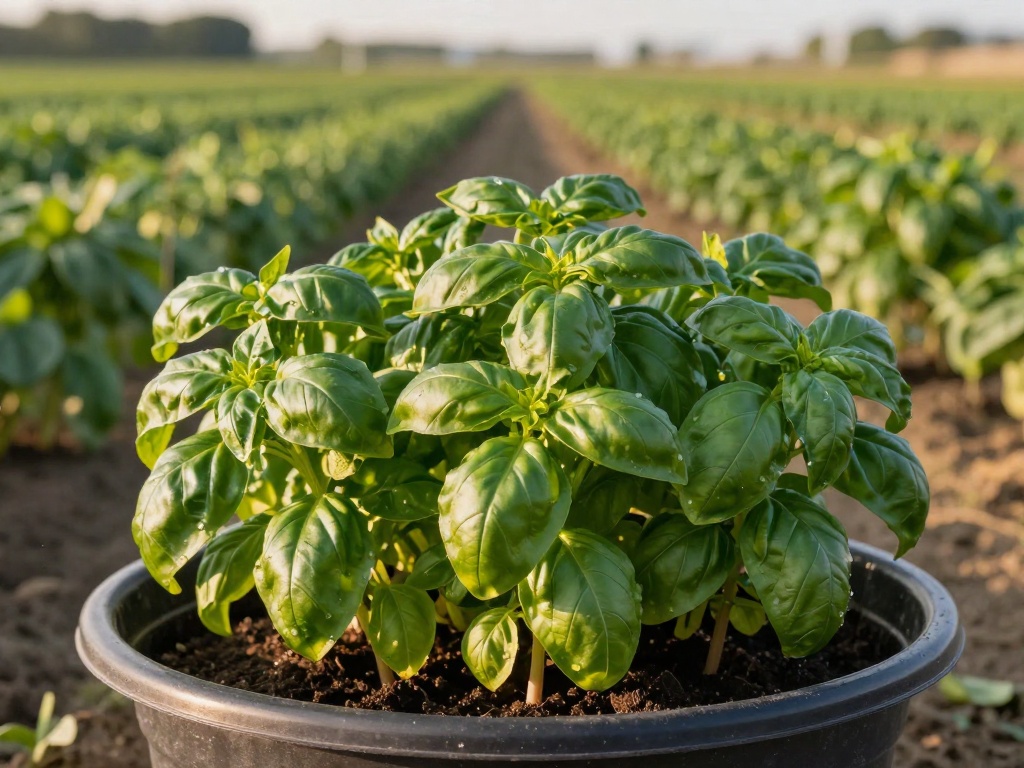
Basil container gardening in full sun offers an incredible opportunity for both novice and experienced gardeners to cultivate aromatic, restaurant-quality herbs right on their patios, balconies, or windowsills. This versatile approach combines the joy of growing fresh herbs with the flexibility of container gardening, making it perfect for urban dwellers with limited space. Full sun conditions bring out the best in basil, producing intensely flavored leaves rich in essential oils. Whether you have a sprawling backyard or a tiny apartment balcony, mastering sun-loving basil in containers can transform your cooking and your garden space.
Why Choose Container Gardening for Basil
Container gardening provides exceptional control over growing conditions that soil-bound gardens simply cannot match. When you grow basil in containers, you can easily move plants to optimize sun exposure throughout the day and seasons. This mobility proves especially valuable in regions with unpredictable weather patterns or extreme summer heat. Additionally, containers prevent basil from spreading uncontrollably, which basil plants are notorious for doing when planted directly in garden beds.
Space Efficiency and Portability
Container-grown basil thrives in spaces as small as a windowsill or as large as a sunny deck. You can position multiple containers strategically to capture maximum sunlight while maintaining easy access for harvesting. The portability factor also allows you to bring plants indoors during unexpected cold snaps or severe weather events that might damage tender basil plants.
Pest and Disease Management
Growing basil in containers elevates plants away from soil-borne pests and diseases that commonly affect garden-planted herbs. This raised position makes monitoring for common problems like aphids, Japanese beetles, and downy mildew significantly easier. Container gardening also simplifies the process of implementing corrective measures without affecting other garden plants.
Understanding Basil's Sun Requirements
Basil genuinely thrives in full sun conditions, requiring at least 6 to 8 hours of direct sunlight daily for optimal growth and flavor development. This sun-loving characteristic makes it an ideal candidate for south-facing balconies, sunniest patios, and windows that receive prolonged daylight exposure. Without adequate sunlight, basil plants become leggy, pale, and lack the intense aroma that makes this herb so prized in culinary applications.
The Science Behind Sun and Essential Oils
Full sun exposure triggers basil to produce higher concentrations of essential oils responsible for its distinctive flavor and fragrance. These compounds, including eugenol, linalool, and estragole, develop most abundantly when plants receive intense, direct sunlight. Research consistently shows that basil grown in full sun contains significantly higher antioxidant levels compared to shade-grown specimens, making sun-exposed herbs not only more flavorful but also more nutritious.
Managing Heat Stress in Peak Summer
While basil loves sun, extremely high temperatures above 90°F (32°C) can cause stress even in sun-loving plants. During heat waves, afternoon shade or filtered light can prevent leaf scorch and wilting. Strategic container placement becomes crucial during these periods—moving pots to receive morning sun and afternoon protection can make the difference between thriving plants and struggling ones.
Selecting the Best Basil Varieties for Containers
Not all basil varieties perform equally well in container settings under full sun exposure. Sweet basil remains the classic choice, offering the familiar flavor profile perfect for Italian dishes and pesto preparations. However, exploring specialty varieties can add excitement to your container garden while providing unique culinary experiences. Each variety brings distinct characteristics in flavor, growth habit, and visual appeal that can enhance your gardening adventure.
Sweet Basil: The Classic Choice
Sweet basil (Ocimum basilicum) represents the most popular variety for container gardening and full sun cultivation. Its medium-green, glossy leaves grow in a bushy formation that responds well to regular harvesting and pruning. This variety reaches heights of 18-24 inches in containers, making it substantial enough to serve as both a culinary herb and an ornamental accent plant. Sweet basil's classic Genovese type produces especially large leaves ideal for wrapping, garnishing, and fresh eating.
Thai Basil and Purple Basil: Adding Visual Interest
Thai basil features distinctive purple stems and flowers, along with an anise-clove flavor profile that holds up beautifully in cooked dishes, unlike more delicate sweet basil varieties. Purple basil adds stunning visual contrast to container arrangements with its deep burgundy-colored leaves, and it contains higher anthocyanin levels that provide additional health benefits. Both varieties perform exceptionally well in full sun, actually developing more intense coloring with increased sunlight exposure.
Compact Bush Varieties for Small Spaces
Compact and bush-type basil varieties like 'Spicy Globe' and '_minimum_' prove ideal for smaller containers and windowsill gardens. These varieties naturally maintain a mounded, compact growth habit reaching only 8-12 inches tall, eliminating the need for constant pruning to control size. Despite their smaller stature, compact varieties produce abundantly and often outperform larger varieties in container productivity relative to their size.
Choosing the Right Container
Selecting appropriate containers significantly impacts the success of basil container gardening in full sun. Material choice, size, and drainage capabilities all contribute to creating an optimal growing environment for sun-exposed basil plants. The right container provides adequate root space while preventing overheating that can occur with full sun exposure.
Container Materials Compared
Terra cotta and unglazed clay containers offer excellent breathability for basil roots but dry out quickly in full sun, requiring more frequent watering. Glazed ceramic pots retain moisture longer but may overheat in intense sunlight if not properly positioned. Plastic and resin containers provide good moisture retention and resist temperature fluctuations, making them excellent choices for full sun locations where watering frequency becomes a concern.
Size and Depth Requirements
Basil develops extensive root systems that require adequate space for optimal growth and nutrient uptake. Containers should hold at least 1 gallon of soil per plant, with 5-gallon containers accommodating 2-3 basil plants comfortably. Depth matters significantly—aim for containers at least 6-8 inches deep to accommodate basil's taproot and extensive lateral root structure. Wider containers provide more surface area for moisture retention while allowing multiple plants to grow together for visual impact.
Drainage Essentials
Proper drainage prevents the root rot that commonly affects container-grown basil, especially in full sun when overwatering becomes tempting during hot weather. Always select containers with multiple drainage holes, or drill additional holes if necessary. Elevating containers on pot feet or small blocks improves drainage by preventing holes from becoming blocked by surface contact. Adding a layer of gravel or broken pottery pieces at the bottom of containers further ensures excess water escapes freely.
Essential Soil and Growing Medium
The growing medium serves as the foundation for successful basil container gardening, providing nutrients, moisture retention, and root support. Full sun exposure accelerates moisture loss from containers, making soil composition even more critical for maintaining consistent hydration levels. A well-balanced growing medium balances water retention with drainage, creating conditions where basil roots can access moisture without sitting in soggy conditions.
Commercial Potting Mix vs. Custom Blends
Quality commercial potting mixes designed for vegetables and herbs provide an excellent starting point for container basil. These mixes typically contain peat moss, perlite, vermiculite, and aged bark in proportions that balance moisture retention with drainage. Avoid using garden soil or topsoil in containers, as these compact too heavily and may harbor soil-borne diseases that affect basil grown in full sun conditions.
Enhancing Your Growing Medium
Amending commercial potting mix with additional perlite improves drainage and aeration, especially beneficial in full sun containers that experience frequent watering. Adding finished compost at 20-30% volume provides slow-release nutrition while improving moisture retention. Worm castings make an excellent addition, providing beneficial microorganisms and gentle fertilization that supports healthy basil growth throughout the season.
Watering Strategies for Sun-Exposed Containers
Water management represents the most critical aspect of basil container gardening in full sun, as containers lose moisture rapidly under intense sunlight and heat. Establishing consistent watering practices prevents both drought stress and overwatering complications that commonly affect container-grown herbs. Morning watering proves most effective, allowing foliage to dry before evening hours while providing hydration for the day's peak heat period.
Recognizing Water Stress Signs
Basil communicates its water needs through visible symptoms that attentive gardeners quickly learn to recognize. Wilting leaves during the hottest part of the day often indicate the plant's natural response to heat stress rather than true water shortage—checking soil moisture provides confirmation before adding water. Permanent wilting, yellowing lower leaves, and slowed growth indicate chronic underwatering requiring immediate correction.
Efficient Watering Techniques
Water deeply until moisture emerges from drainage holes, ensuring water reaches the entire root zone rather than just surface layers. Shallow watering encourages shallow root development, making plants more susceptible to heat stress and drought. Self-watering containers and water-retention crystals offer solutions for gardeners unable to water multiple times daily during summer heat waves. Drip irrigation systems with timers provide consistent moisture delivery while conserving water resources.
Fertilizing for Maximum Growth
Container-grown basil in full sun requires regular fertilization to replace nutrients that leach from containers during frequent watering. The intensive growing conditions that full sun provides accelerate plant metabolism and nutrient consumption, making feeding essential for maintaining vigorous growth and abundant leaf production. A balanced approach prevents both nutrient deficiency and over-fertilization that can damage plants and reduce flavor intensity.
Choosing the Right Fertilizer
Water-soluble fertilizers with balanced NPK ratios (such as 10-10-10 or 20-20-20) diluted to half strength provide excellent nutrition for container basil. Organic options like fish emulsion, seaweed extract, or compost tea offer slow-release nutrition while building soil biology. Avoid high-nitrogen fertilizers that promote excessive foliage growth at the expense of essential oil development—moderate nitrogen produces the most flavorful leaves in full sun conditions.
Feeding Schedule and Frequency
Apply diluted fertilizer every 2-3 weeks during the active growing season, adjusting based on plant response and growth rate. Containers with premium growing medium and compost amendments may require less frequent fertilization than basic potting mix containers. Watch for signs of nutrient deficiency including pale leaves, slowed growth, and yellowing that indicates feeding adjustments are necessary.
Pruning and Harvesting Techniques
Regular harvesting and pruning prove essential for maintaining productive, bushy basil plants in containers under full sun exposure. Without consistent harvesting, basil quickly flowers and goes to seed, signaling the end of productive leaf growth. Strategic pruning encourages branching, extends the harvest period, and prevents the leggy, sparse growth that affects unharvested container plants.
The Correct Harvesting Method
Always harvest basil by pinching or cutting stems above a leaf node, where two leaves attach to the stem. This technique stimulates branching at the cut point, effectively doubling the plant's productivity with each harvest. Remove no more than one-third of the plant's total foliage at any single harvest, allowing sufficient leaves to support continued photosynthesis and growth. Regular harvesting every 7-10 days during peak season keeps plants productive and compact.
Preventing and Managing Flowering
Basil flowers signal a shift from vegetative growth to reproductive growth, dramatically reducing leaf production and changing flavor profiles. Pinch off flower buds immediately upon appearance, cutting the entire flower stem back to its origin point. In full sun conditions, basil may flower more quickly due to stress factors, making vigilance essential. Allowing a few plants to flower supports beneficial pollinator populations while providing seeds for next season's growing.
Troubleshooting Common Problems
Despite basil's reputation as an easy-to-grow herb, container gardeners encounter challenges that require attention and correction. Full sun exposure intensifies many common problems while creating some unique challenges of its own. Understanding these potential issues allows for proactive management that prevents minor problems from becoming major setbacks.
Addressing Yellow Leaves
Yellow leaves on basil in full sun containers typically indicate overwatering, underwatering, or nutrient deficiency. Check soil moisture levels and adjust watering practices accordingly before assuming nutrient issues. If moisture seems adequate, a dose of balanced fertilizer often corrects yellowing caused by nutrient depletion. Containers that have been growing basil for several months may require fresh growing medium or repotting to restore optimal conditions.
Managing Leggy Growth
Insufficient light typically causes leggy growth, but even full sun basil can become leggy if not properly pruned and harvested. Plants reaching toward light sources indicate the need for rotation or supplemental positioning to ensure even light exposure. Pinching back leggy growth to just above the first or second set of true leaves encourages bushier regrowth and restores compact, productive form.
Extending Your Harvest Season
With proper techniques and attention to growing conditions, container basil in full sun can produce abundantly from late spring through fall. Strategic practices extend the productive harvest period significantly beyond the natural growing season. Understanding basil's temperature preferences and implementing protection strategies allows gardeners in various climates to maximize their container garden yields.
Fall and Late-Season Production
As temperatures cool in autumn, basil growth slows but often maintains excellent flavor quality. Containers can be moved to capture maximum warmth and shelter as the season changes. Covering plants during light frosts provides protection that extends production by several weeks. Taking cuttings before first frost allows for indoor growing under supplemental lighting that continues fresh basil harvest through winter months.
Indoor Growing Through Winter
Container basil transitions successfully to indoor growing when moved to the sunniest available window or supplemented with grow lights. Plants may experience some adjustment period and legginess as they adapt to lower light conditions, but proper care maintains productive growth. Positioning near south-facing windows with 6+ hours of sun or providing 14-16 hours of supplemental fluorescent or LED lighting keeps indoor basil thriving through winter.
FAQ
How many hours of direct sunlight does basil need in containers?
Basil requires a minimum of 6-8 hours of direct sunlight daily for optimal growth and flavor development. In hotter climates, afternoon shade can help prevent heat stress while still meeting the minimum sun requirement. South-facing locations typically provide the most consistent full sun exposure throughout the growing season.
What size container is best for growing basil?
A container holding at least 1 gallon of soil per plant provides adequate root space for healthy basil growth. Five-gallon containers work well for growing 2-3 basil plants together, creating an attractive and productive arrangement. Always ensure containers have sufficient drainage holes to prevent waterlogging.
Can basil get too much sun in containers?
While basil thrives in full sun, extreme heat above 90°F (32°C) combined with intense direct sunlight can cause stress, wilting, and leaf scorch. During heat waves, providing afternoon shade or moving containers to filtered light prevents damage. Consistent moisture and adequate container size help basil tolerate high sun intensity.
How often should I water basil in full sun containers?
Container basil in full sun typically requires watering once or twice daily during hot summer weather, depending on container size and material. Check soil moisture by inserting your finger 1-2 inches deep—water when the top inch feels dry. Morning watering allows plants to hydrate before peak heat while reducing disease risk from wet foliage overnight.
Why is my container basil turning yellow?
Yellow leaves on container basil typically indicate overwatering, underwatering, or nutrient deficiency. Full sun containers lose moisture rapidly, making both drought stress and nutrient leaching common issues. Evaluate your watering practices first, then consider applying a balanced liquid fertilizer at half strength to address potential nutrient depletion.
No comments