
Blackberries in Pots: 10 Container Gardening Tips for Success
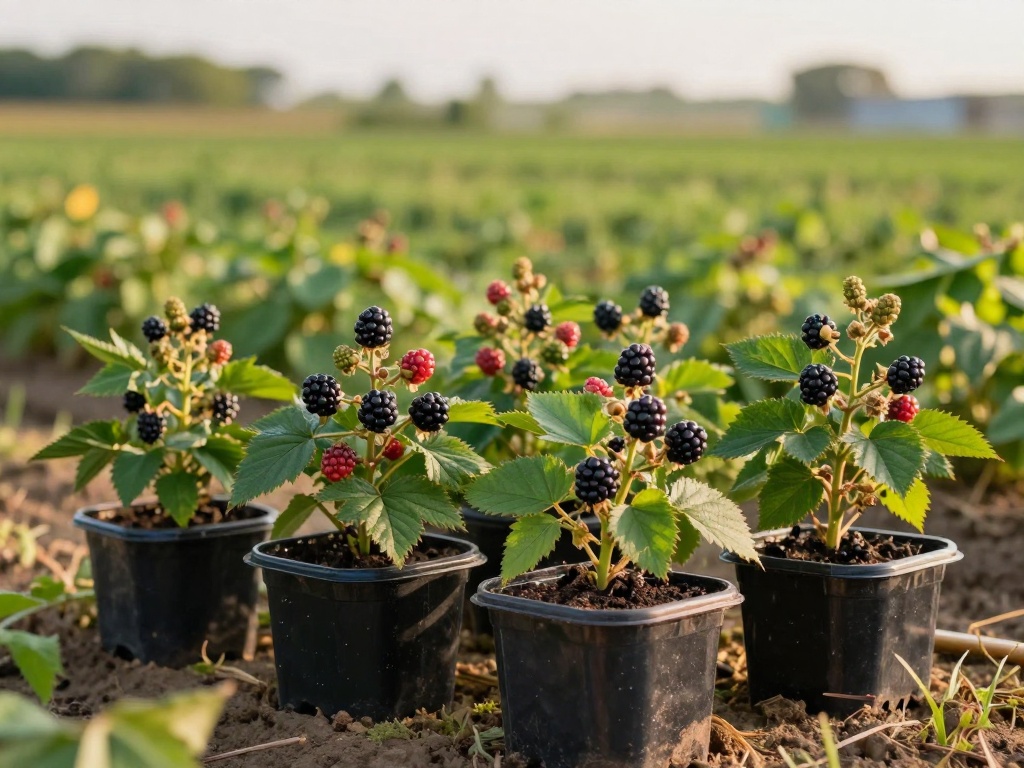
Blackberries in Pots: 10 Container Gardening Tips for Success
Blackberries container gardening in pots offers an incredible solution for gardeners with limited space who still want to enjoy fresh, juicy berries. Whether you have a small balcony, patio, or sunny deck, growing blackberries in containers allows you to harvest delicious fruit without needing a traditional garden plot. This comprehensive guide provides ten proven strategies to help your potted blackberry plants thrive and produce abundant harvests year after year.
Why Choose Container Gardening for Blackberries?
Container gardening transforms how we approach fruit cultivation, especially in urban environments. Potted blackberries require less weeding, offer better pest control, and make harvesting more convenient since plants are elevated. You can move containers to follow optimal sunlight, protect plants from harsh weather, and even bring them indoors during extreme conditions. Additionally, container-grown blackberries prevent the aggressive spreading that traditional in-ground plantings often exhibit.
Space Efficiency and Mobility
One of the greatest advantages of growing blackberries in pots is the ability to maximize every square inch of available space. Containers fit neatly on balconies, rooftops, or alongside walkways. The mobility factor proves invaluable—you can reposition plants throughout the day to capture optimal sunlight exposure, typically requiring six to eight hours of direct sunlight for maximum berry production.
Better Control Over Growing Conditions
When you grow blackberries in containers, you have complete control over soil quality, drainage, and nutrient levels. This proves especially beneficial in regions with poor native soil or areas where soil-borne diseases threaten plant health. Quality potting mix ensures excellent drainage while retaining sufficient moisture for healthy root development.
Choosing the Right Blackberry Variety for Containers
Success in blackberries container gardening in pots begins with selecting appropriate varieties. Not all blackberry types adapt equally well to container cultivation, so choosing wisely sets the foundation for your gardening success.
Compact and Thornless Varieties
Thornless compact varieties excel in containers because they require less structural support and are easier to manage during pruning and harvesting. Top recommendations include 'Baby Cakes,' a dwarf variety reaching only three to four feet with no thorns, and 'Polarberry,' bred specifically for container performance. These varieties produce full-sized berries while maintaining manageable plant dimensions.
Semi-Erect and Erect Varieties
Semi-erect varieties like 'Triple Crown' perform admirably in large containers with proper support. Erect varieties naturally stand upright, reducing the need for extensive trellising, though a simple stake or small support cage helps contain canes during heavy fruiting periods. Consider 'Natchez' and 'Osage' for excellent flavor profiles and strong container performance.
Selecting the Perfect Container
Container size directly impacts blackberry growth and fruit production. Blackberries container gardening in pots demands adequate root space while providing proper drainage and stability.
Size and Material Considerations
Choose containers with a minimum capacity of five gallons for dwarf varieties, though ten to fifteen gallons provides optimal growing conditions for standard varieties. Fabric grow bags offer excellent aeration and prevent root circling, while plastic containers retain moisture longer and resist cracking in freezing temperatures. Wooden whiskey barrels or decorative ceramic pots add aesthetic appeal while accommodating root growth comfortably.
Drainage Requirements
Proper drainage proves absolutely critical for blackberry health. Select containers with multiple drainage holes arranged along the bottom and sides. Elevate pots using pot feet or bricks to ensure water flows freely from drainage openings. Standing water leads to root rot, which devastates blackberry plants rapidly and often proves fatal without immediate intervention.
Optimal Soil Mix for Potted Blackberries
Creating the ideal growing medium maximizes success in blackberries container gardening in pots. Commercial potting mixes formulated for berries or acid-loving plants work well, or you can create your own blend.
DIY Potting Mix Recipe
Combine equal parts high-quality peat moss or coco coir, perlite for drainage, and aged compost for nutrients. Add a handful of sulfur to lower pH if needed, targeting a slightly acidic range between 5.5 and 6.5. This balanced mixture provides excellent water retention while preventing compaction that suffocates roots during container cultivation.
Mulching Benefits
Apply a two-inch layer of organic mulch atop the soil surface to conserve moisture, regulate temperature fluctuations, and suppress weed growth. Straw, pine needles, or shredded bark work excellently for blackberries container gardening in pots. Mulch breaks down gradually, adding organic matter to the soil while maintaining the acidic conditions blackberries prefer.
Watering Strategies for Container-Grown Blackberries
Consistent moisture proves essential, yet overwatering threatens plant survival. Container-grown blackberries typically require more frequent watering than garden-planted counterparts due to increased evaporation from container walls.
Establishing a Watering Schedule
Water deeply when the top inch of soil feels dry to the touch, typically every two to three days during warm weather. During hot summer peaks, daily watering may become necessary, especially for smaller containers. Insert your finger into the soil to verify moisture levels before watering—surface dryness doesn't always indicate the root zone needs water.
Drip Irrigation Options
Consider installing simple drip irrigation systems or self-watering inserts for consistent moisture delivery. These systems reduce water waste while maintaining optimal soil moisture levels during vacation periods or busy schedules. Self-watering containers feature reservoirs that release water gradually, preventing both drought stress and overwatering issues.
Feeding Your Potted Blackberry Plants
Nutrient availability differs significantly between container and in-ground cultivation. Regular fertilization ensures healthy growth and abundant fruiting in blackberries container gardening in pots.
Fertilizer Selection and Timing
Apply a balanced, slow-release fertilizer formulated for fruit-bearing plants in early spring as new growth emerges. Switch to a low-nitrogen formula with higher phosphorus and potassium content once flowering begins, promoting berry development over vegetative growth. Follow package instructions carefully—over-fertilizing causes salt buildup that damages roots and kills plants.
Signs of Nutrient Deficiency
Yellowing leaves indicate nitrogen deficiency, while purple-tinged foliage suggests phosphorus shortages. Pale green or yellowish leaves between leaf veins point to iron chlorosis, common in alkaline conditions. Address deficiencies promptly with targeted fertilizer applications, and monitor soil pH regularly to maintain optimal nutrient uptake.
Pruning and Training Techniques
Proper pruning maintains plant health, encourages productivity, and manages the vigorous growth typical of blackberries. Container plants require slightly different approaches than garden-planted specimens.
Understanding Blackberry Growth Habits
Blackberry canes are either primocanes (first-year canes producing fruit the following season) or floricanes (second-year canes that fruit and die). Understanding this cycle proves essential for proper pruning timing. Erect varieties produce fruit on side branches of floricanes, while some modern varieties fruit on primocanes (remontant types).
Pruning Schedule
Remove spent floricanes immediately after harvest to prevent disease buildup and encourage new primocane production. In late winter, trim primocanes to encourage branching by cutting tips back by one-quarter to one-third. For primocane-fruiting varieties, cut all canes to ground level in late winter for a single large fall harvest, or partially prune for both summer and fall production.
Providing Proper Support
Even compact blackberry varieties benefit from some support structure during fruiting. The weight of ripening berries bends canes downward, potentially causing breakage or berry contact with soil.
Simple Support Systems
Install a simple bamboo stake or tomato cage in each container for erect varieties. Train canes to a decorative trellis attached to a wall for semi-erect varieties requiring more substantial support. The goal involves keeping canes upright, improving air circulation, and elevating fruit for easier harvesting.
Overwintering Potted Blackberries
Container-grown blackberries face greater winter vulnerability than garden-planted specimens. Root systems receive no insulation from surrounding soil, making winter protection essential for perennial survival.
Winter Protection Strategies
Move containers to an unheated garage or sheltered location once plants enter dormancy and temperatures drop below twenty degrees Fahrenheit. Alternatively, bury containers in mulch or garden soil, or wrap pots with burlap and bubble wrap for insulation. Maintain light winter watering—dormant plants still require occasional moisture to prevent root desiccation.
Spring Transition
Gradually reintroduce overwintered plants to outdoor conditions as temperatures warm. Move containers to a shaded location for several days before placing in full sun. Resume regular watering and fertilizing once active growth resumes, and inspect for winter damage by examining cane tips and bud development.
Common Problems and Solutions
Blackberries container gardening in pots presents unique challenges that proactive gardeners address before they impact plant health and productivity.
Root Bound Plants
Container-grown blackberries eventually become root-bound, restricting growth and reducing vigor. Examine drainage holes for protruding roots, and tap the container sides to check for solid root mass. Repot every two to three years into a container two inches larger in diameter, trimming damaged roots and refreshing soil mix.
Disease and Pest Management
Container placement reduces some soil-borne disease risks but doesn't eliminate all threats. Watch for spider mites, aphids, and Japanese beetles during growing season. Improve air circulation around plants and avoid overhead watering to prevent fungal issues like powdery mildew and botrytis. Remove and destroy severely infected plant material promptly.
Harvesting Your Container Blackberries
Nothing compares to the taste of freshly harvested blackberries, and container gardening puts these delicious fruits within easy reach of your kitchen door.
Identifying Ripe Berries
Harvest blackberries when they transition from shiny to dull black, typically three to five days after the color change. Ripe berries detach easily from the plant with a gentle tug. Check plants daily during peak season since berries deteriorate quickly once fully ripe, attracting birds and developing rot.
Maximizing Your Harvest
Expect two to five pounds of berries annually from a healthy mature blackberry plant in a large container. Regular harvesting encourages continued production, especially in primocane-fruiting varieties. Store harvested berries in single layers to prevent crushing, and consume or freeze within two to three days for optimal quality.
FAQ
What is the best month to plant blackberries in pots?
Plant container-grown blackberries in early spring after the last frost date in your region, or in fall in mild climates. Spring planting allows roots to establish during the growing season, while fall planting works well where winters aren't severe. Avoid planting during summer heat waves when stress on young plants increases transplant shock risk.
How many blackberry plants can I grow in one container?
Plant one blackberry plant per container to ensure adequate space for root development. Even compact varieties require sufficient room for healthy growth—crowding leads to competition for water and nutrients, reduced air circulation, and diminished harvests. Large containers measuring twenty inches in diameter or five-gallon capacity work best for single plants.
Do blackberries in pots need full sun?
Blackberries require full sun exposure for maximum fruit production, meaning at least six to eight hours of direct sunlight daily. While plants survive in partial shade, berry production decreases significantly, resulting in smaller harvests and less flavorful fruit. Position containers in the sunniest location available, particularly during morning hours when drying dew reduces fungal disease pressure.
No comments