
Snake Plant Vertical Gardening: 8 Easy Methods for 2026
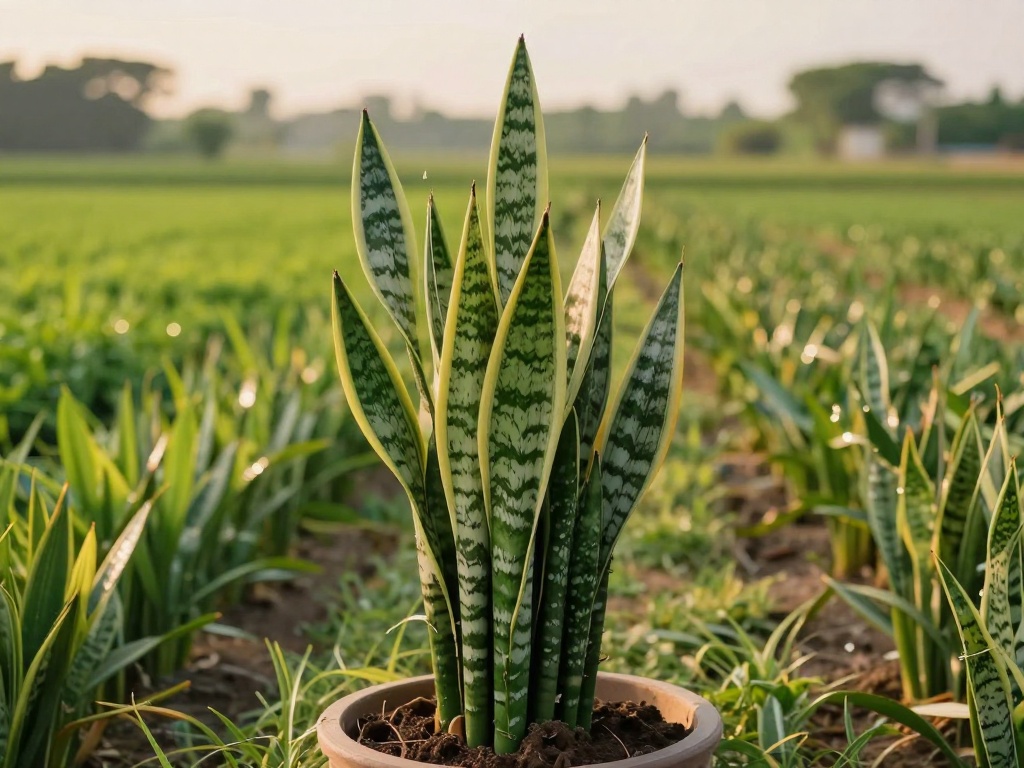
Snake Plant Vertical Gardening: 8 Easy Methods for 2026
Snake plant vertical gardening easy method solutions are transforming how indoor plant enthusiasts maximize their growing space. Whether you have limited floor area or want to create a stunning living wall, vertical gardening with snake plants offers both aesthetic appeal and practical benefits. This comprehensive guide explores eight proven techniques that make growing snake plants vertically simple, even for beginners.
Why Choose Snake Plants for Vertical Gardening
Snake plants (Sansevieria trifasciata) stand out as ideal candidates for vertical gardening for several compelling reasons. These hardy succulents tolerate low light conditions, require minimal watering, and adapt well to various mounting arrangements. Their sword-like leaves grow upward, creating natural visual interest when displayed vertically. Additionally, snake plants excel at air purification, removing toxins like formaldehyde and benzene from indoor environments.
The Air-Purifying Benefits
NASA research confirms that snake plants remove harmful pollutants while releasing oxygen at night, making them perfect for bedrooms and living spaces. When grown vertically, these plants maximize their air-cleansing coverage across room walls.
Low Maintenance Requirements
Unlike many tropical plants, snake plants survive neglect and irregular watering schedules. This resilience makes them forgiving for busy gardeners or those new to vertical plant arrangements.
Method 1: Wall-Mounted Frame System
The wall-mounted frame system represents the most popular snake plant vertical gardening easy method for several reasons. This approach uses a lightweight wooden or metal frame with built-in planting pockets.
To create this system, install a wall bracket rated for at least 15 pounds. Attach a frame with fabric pockets designed for vertical gardens. Fill each pocket with well-draining potting mix specifically formulated for succulents. Insert snake plant divisions or rooted cuttings, ensuring the root ball sits 2 inches below the pocket rim. Water sparingly, allowing soil to dry completely between waterings.
Method 2: Hanging Pocket Planters
Hanging pocket planters offer an accessible entry point into snake plant vertical gardening. These fabric planters hang from ceiling hooks or wall anchors, creating a cascading display.
Choose breathable felt or canvas pockets with drainage holes. Space multiple pockets vertically using a dowel rod or tension rod. Position snake plants so leaves cascade downward naturally, showcasing their architectural form.
Method 3: Floating Shelf Arrangement
Floating shelves provide flexibility for arranging multiple snake plants at varying heights. This method allows easy repositioning and simple maintenance access.
Install three to five floating shelves at staggered heights along your wall. Place potted snake plants on each shelf, mixing different varieties for visual contrast. Ensure shelves support the weight of terracotta or ceramic pots filled with soil.
Method 4: Living Picture Frame
Create a living artwork by mounting snake plants within a decorative picture frame structure. This innovative approach combines art and horticulture beautifully.
Construct a shallow wooden frame with a wire mesh backing. Line the interior with sphagnum moss or coir. Poke snake plant cuttings through the mesh into the growing medium. Mist regularly and expect root development within four to six weeks.
Method 5: Magnetic Vertical Garden
Magnetic systems offer damage-free installation for renters or those avoiding wall mounting. Strong rare-earth magnets attach metal-framed planters to steel surfaces.
Select slim metal planters compatible with magnetic mounting. Fill with fast-draining succulent soil. Position snake plants on metal kitchen backsplashes, garage walls, or decorative steel panels.
Method 6: Ladder Planter Display
Repurposing an old wooden ladder creates an instant vertical garden架子 with rustic charm. This method works exceptionally well in living rooms, patios, or entryways.
Lean a wooden ladder against your wall. Place potted snake plants on each rung, starting from the bottom. The graduated height creates natural visual flow. Avoid overwatering, as ladder materials may warp if exposed to excessive moisture.
Method 7: Pegboard Vertical Garden
Pegboard systems provide ultimate flexibility for arranging your snake plant collection. These perforated boards accept hooks and shelves at any position.
Mount a large pegboard on your wall using appropriate anchors. Insert adjustable hooks and small shelves wherever desired. Arrange potted snake plants according to your design preferences. Rearrange easily whenever inspiration strikes.
Method 8: Wire Trellis Design
Wire trellises create modern, minimalist vertical displays perfect for contemporary interiors. The open structure complements snake plant architecture beautifully.
Stretch galvanized steel wire horizontally across wall studs. Attach small clips or plant rings along each wire. Secure potted snake plants to the clips using adjustable plant ties. The result is a clean, architectural feature wall.
Essential Care Tips for Vertical Snake Plants
Watering Guidelines
Vertical snake plants require less frequent watering than horizontal arrangements. Water every two to three weeks during growing season, monthly during winter. Check soil moisture by inserting your finger one inch deep before watering.
Light Requirements
Snake plants tolerate low light but thrive in indirect bright light. East-facing windows provide ideal conditions. Rotate plants quarterly to ensure even growth.
Soil and Drainage
Always use succulent-specific potting mix containing perlite or pumice for excellent drainage. Poor drainage causes root rot, the primary killer of vertically-grown snake plants.
Common Mistakes to Avoid
Avoid overwatering, which leads to yellowing leaves and mushy roots. Never mount plants in locations without adequate light. Skip heavy soil that retains moisture. Finally, ensure your mounting system supports the combined weight of pots, soil, and plants.
FAQ
How often should I water snake plants in a vertical garden?
Water vertical snake plants every 2-3 weeks during active growth (spring and summer) and monthly during dormant winter months. Always verify soil dryness before watering, as vertical arrangements dry faster than horizontal pots.
Can snake plants grow in complete shade vertically?
Snake plants survive in low light conditions but grow best with bright, indirect light. Complete shade causes slow growth and faded leaf coloring. Position vertical gardens near windows or under artificial grow lights for optimal health.
What is the best soil mix for vertical snake plant arrangements?
The ideal soil mix contains equal parts potting soil, perlite, and coarse sand. Commercial succulent and cactus mix works well when supplemented with extra perlite. Good drainage prevents root rot in vertical configurations.
No comments