
How to Grow Potatoes with Drip Irrigation on Balcony in 2026
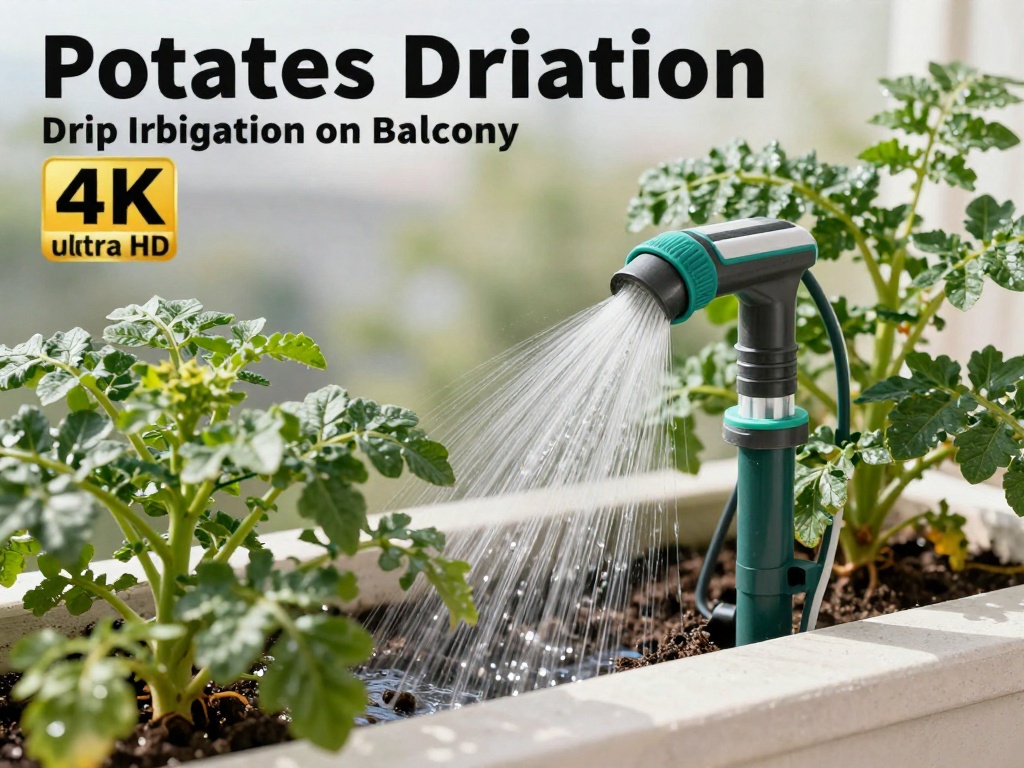
How to Grow Potatoes with Drip Irrigation on Balcony in 2026
Imagine harvesting fresh, homegrown potatoes from your balcony without the hassle of constant watering. Potatoes drip irrigation on balcony setups has revolutionized urban gardening, allowing apartment dwellers to enjoy homegrown produce regardless of limited outdoor space. This comprehensive guide will walk you through creating an efficient drip system specifically designed for container potato cultivation.
Why Choose Drip Irrigation for Balcony Potatoes
Drip irrigation delivers water directly to the root zone, creating optimal growing conditions while conserving water. For balcony gardeners, this method offers significant advantages over traditional watering techniques. The system reduces water waste by up to 60% compared to overhead sprinklers, making it both environmentally friendly and cost-effective.
Benefits of Drip Systems for Container Potatoes
- Consistent soil moisture prevents cracking and deformities
- Reduces fungal diseases caused by wet foliage
- Automates watering for busy urban gardeners
- Promotes deeper root development and healthier plants
- Saves time with hands-off maintenance
Essential Materials for Your Balcony Setup
Before beginning your drip irrigation for potatoes on balcony project, gather the necessary components. Most supplies are affordable and readily available at hardware or garden centers. The initial investment typically ranges from $30-$60, depending on the quality of components chosen.
Core Components Required
You will need a timer-controlled faucet adapter, main supply tubing, micro-tubing drippers, a pressure regulator, and filter system. For containers, select deep pots or grow bags of at least 15 gallons capacity to accommodate proper potato tuber development. Black tubing works best as it heats water slightly, which benefits potato growth in cooler climates.
Choosing the Right Potato Varieties
Not all potato varieties thrive in container environments. Determinate varieties like Yukon Gold, Red Pontiac, and Fingerlings perform exceptionally well in confined spaces. These types produce tubers in a single layer above the seed potato, making harvest straightforward. Avoid indeterminate varieties that spread runners throughout the container.
Step-by-Step Installation Guide
Setting Up Your Water Source
Begin by connecting a battery-powered timer to your balcony faucet. This automation ensures consistent watering even during vacations or busy work periods. Install the filter immediately after the timer to prevent sediment from clogging the delicate drippers. The pressure regulator should follow, maintaining optimal flow at 10-15 PSI.
Routing Tubing to Containers
Run the main 1/2-inch polyethylene tubing along your balcony railing using clips or cable ties. Branch off with 1/4-inch micro-tubing to reach individual containers. Position one or two drippers per container depending on size. For large 15-gallon containers, placing two drippers at opposite sides ensures even moisture distribution throughout the soil.
Container Preparation and Planting
Fill containers with a well-draining potting mix composed of equal parts peat moss, perlite, and compost. Plant seed potatoes 4 inches deep with the eyes facing upward. Space multiple potatoes at least 6 inches apart within each container. Place the drippers so water reaches the soil surface around each plant stem.
Optimizing Your System for Maximum Yield
Watering Schedule and Timing
Potatoes require consistent moisture, especially during tuber formation. Set your timer to water early morning for 15-20 minutes, adjusting based on weather conditions. During hot summer months in 2026, you may need to increase frequency to twice daily. Monitor soil moisture by inserting your finger 2 inches deep—the soil should feel damp but not saturated.
Managing Nutrients in Container Systems
Container potatoes deplete nutrients faster than garden-grown plants. Apply a balanced liquid fertilizer every two weeks through your drip system or as a foliar spray. Look for fertilizers with higher potassium content during tuber development, switching from nitrogen-heavy formulations once plants reach 6 inches tall.
Hilling Techniques for Container Growth
As potato plants grow, mound additional soil or straw around the stems to encourage more tuber production. This technique, called hilling, prevents potatoes from developing green skins due to sun exposure. Maintain 4-6 inches of stem buried beneath the soil line throughout the growing season.
Troubleshooting Common Issues
Addressing Clogged Drippers
Sediment buildup is the most frequent drip system problem. Clean filters monthly and flush the entire system quarterly by running clean water through all lines. If drippers become clogged, remove and soak them in white vinegar for 30 minutes, then rinse thoroughly before reinstallation.
Managing Overwatering and Root Rot
Excessive moisture leads to fungal diseases and root rot in potato containers. Ensure containers have adequate drainage holes and elevate them slightly to prevent water accumulation. During rainy seasons, temporarily disconnect the system or reduce watering duration to prevent waterlogging.
Harvesting Your Balcony Potatoes
Potatoes are ready for harvest when the foliage turns yellow and begins dying back. For new potatoes, harvest early when tubers are small and tender. For storage potatoes, wait 2-3 weeks after foliage dies completely to allow skins to cure. Simply dump the container contents and collect your homegrown harvest.
Frequently Asked Questions
Can beginners successfully grow potatoes with drip irrigation on a balcony?
Yes, balcony potato cultivation with drip irrigation is excellent for beginners. The automated watering system reduces the learning curve significantly. Start with two containers and a basic drip kit to practice before expanding your operation.
What is the ideal container size for balcony potato growing?
A minimum of 15 gallons per container works well for most potato varieties. Fabric grow bags in the 15-20 gallon range provide excellent drainage and air pruning benefits that promote healthy root systems and abundant tuber production.
How much does a balcony drip irrigation system cost to set up?
A complete drip irrigation setup typically costs between $30-$60 for supplies. This includes the timer, tubing, connectors, and drippers. The system pays for itself within one growing season through water savings and reduced plant losses.
When should I install the drip system relative to planting?
Install your drip system before planting or immediately after placing seed potatoes in containers. This ensures the soil is moist during initial root development and establishes proper drainage patterns from the start.
How long until harvest after planting potatoes in containers?
Most potato varieties mature in 70-120 days depending on the variety. Early varieties like fingerlings may be ready in 70-90 days, while maincrop varieties require the full 100-120 day growing period for optimal tuber size.
What common mistakes should I avoid with balcony potato drip irrigation?
Avoid overwatering, which causes rot and disease. Don't skip the filter, as clogged drippers waste time and damage plants. Never use garden soil in containers—it compacts and prevents proper drainage. Finally, avoid placing containers in full afternoon sun during extremely hot weather.
No comments