
The 5-Step Drip Irrigation Schedule for Container Tomatoes
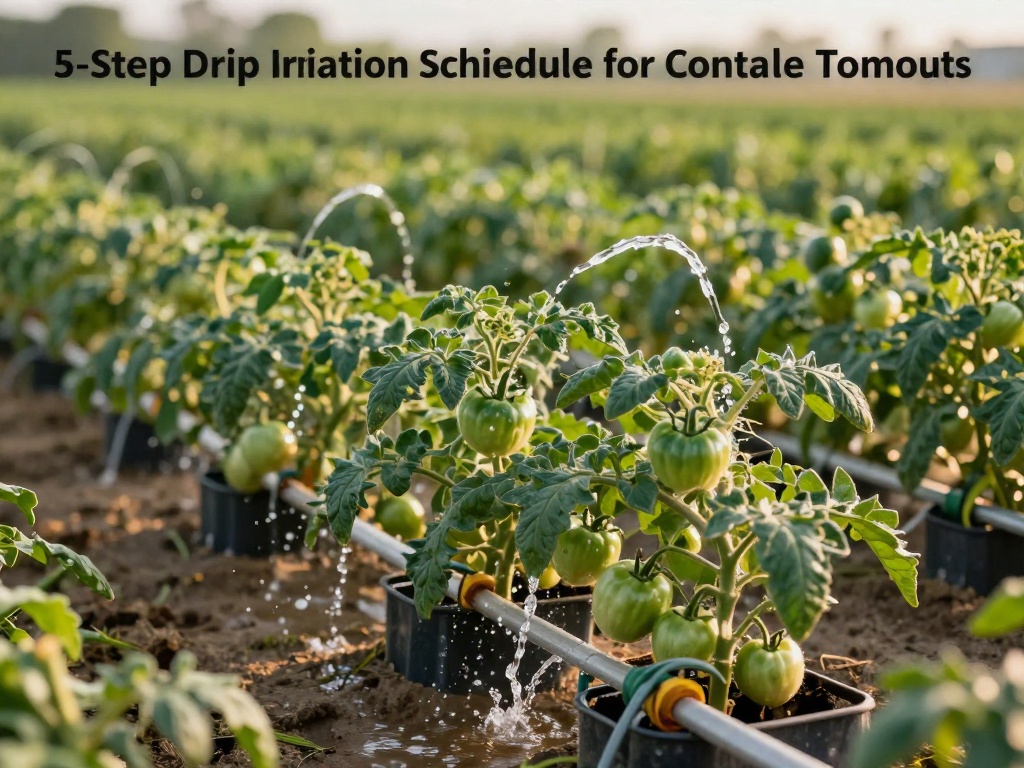
The 5-Step Drip Irrigation Schedule for Container Tomatoes
Container tomatoes have unique water needs compared to their in-ground counterparts, as their root systems are limited to a small volume of soil. A drip irrigation schedule for container tomatoes is one of the most effective ways to deliver consistent, targeted water without wasting resources or promoting foliar diseases. According to the University of California Master Gardeners, improper watering is the top cause of poor tomato harvests and plant death for potted varieties. This guide breaks down a simple 5-step schedule to keep your container tomatoes healthy and productive all season long.
Why Drip Irrigation Is Ideal for Container Tomatoes
Targeted Water Delivery
Drip systems deliver water directly to the base of each tomato plant, right at the root zone. This avoids wetting the foliage, which reduces the risk of fungal diseases like early blight and powdery mildew.
Reduced Water Waste
Unlike overhead sprinklers, drip irrigation loses minimal water to evaporation or runoff, making it perfect for small-space or urban gardens where water conservation is a priority.
Consistent Soil Moisture
Container soil dries out quickly, especially in warm weather. Drip systems maintain steady soil moisture levels, preventing the sharp fluctuations that cause blossom end rot, a common tomato disorder.
The 5-Step Drip Irrigation Schedule for Container Tomatoes
Step 1: Assess Your Container Tomato’s Growth Stage
Tomato plants have different water requirements depending on their life cycle. Seedlings need light, frequent watering to keep their shallow root systems moist. Once plants enter the vegetative growth stage, you can increase the duration of each drip session. During flowering and fruiting, water needs peak, as the developing fruits require consistent moisture to prevent cracking and rot.
Step 2: Calculate Water Volume Based on Container Size
Small 5-gallon containers need less total water than 15-gallon grow bags. A general rule is to deliver 1/2 to 1 cup of water per plant per irrigation session for small containers, up to 2 to 3 cups for larger ones. Use drip emitters with a low flow rate (0.5 to 1 gallon per hour) to avoid overwatering and runoff.
Step 3: Set Irrigation Timing
For most growing conditions, run your drip system once per day during the vegetative stage. During hot, dry weather, you may need to water twice daily. The best time to run drip irrigation is early in the morning, before the sun reaches peak heat, to minimize evaporation.
Step 4: Adjust for Weather Conditions
Extreme heat, wind, or low humidity will dry out container soil much faster. On days with temperatures over 90°F, increase the length of each irrigation session or add a second daily watering. Rainy days will eliminate the need for irrigation entirely, so use a rain sensor or manual check to skip watering when your soil is already moist.
Step 5: Monitor and Tweak Your Schedule
Every garden and container is unique, so your initial schedule will need adjustments. Check the soil moisture daily by sticking your finger 1 to 2 inches into the soil. If it feels dry, increase your irrigation time; if it stays soggy, reduce it. Look for signs of over or under watering, such as yellowing leaves or blossom end rot, to fine-tune your schedule further.
Pro Tips for Fine-Tuning Your Drip Irrigation Schedule
Use a Soil Moisture Sensor
Installing a low-cost soil moisture sensor next to your tomato plants takes the guesswork out of irrigation. The sensor will trigger your drip system only when soil moisture levels drop below a set threshold, saving you time and water.
Match Emitters to Container Size
For hanging baskets or small individual pots, use micro-spitters or single-point emitters. For larger grow bags, use two emitters spaced evenly around the base of the plant to ensure even water distribution.
Clean Emitters Regularly
Mineral deposits from tap water can clog drip emitters over time. Flush your system once per month by running it for 5 to 10 minutes without emitters installed to clear any buildup.
Common Mistakes to Avoid
Overwatering is the most common mistake new gardeners make with container tomato drip irrigation. Soggy soil can lead to root rot and fungal diseases, so always check soil moisture before running your system. Avoid using high-flow emitters that deliver water too quickly, as this will cause runoff. Forgetting to adjust your schedule for seasonal changes can also lead to poor plant health, especially during extreme heat or cold snaps.
FAQ
How often should I run drip irrigation for container tomatoes?
The frequency depends on growth stage, weather, and container size. Seedlings may need daily light watering, while fruiting plants may need one or two 10- to 20-minute sessions per day during hot weather.
Can I use drip irrigation for small tomato seedlings?
Yes, use low-flow micro-emitters or a soaker hose attachment to deliver gentle, consistent water without disturbing delicate seedling roots. Avoid high-pressure drips that can wash away soil or damage young plants.
How do I prevent drip emitters from clogging with container soil?
Use a fine mesh filter on your drip system’s water source to catch soil particles and mineral deposits. Flush your system monthly to clear any buildup, and avoid using tap water with high mineral content if possible, or use a water softener for irrigation.
What’s the best way to test my drip irrigation schedule for container tomatoes?
Stick your finger 1 to 2 inches into the soil around your tomato plants each morning. If the soil feels dry at that depth, your current schedule is too infrequent. If the soil is soggy, reduce your irrigation time or frequency. You can also use a soil moisture meter for more accurate readings.
No comments