
Hydroponic Cucumber Nutrient Solution Recipe: 4 Pro Tips
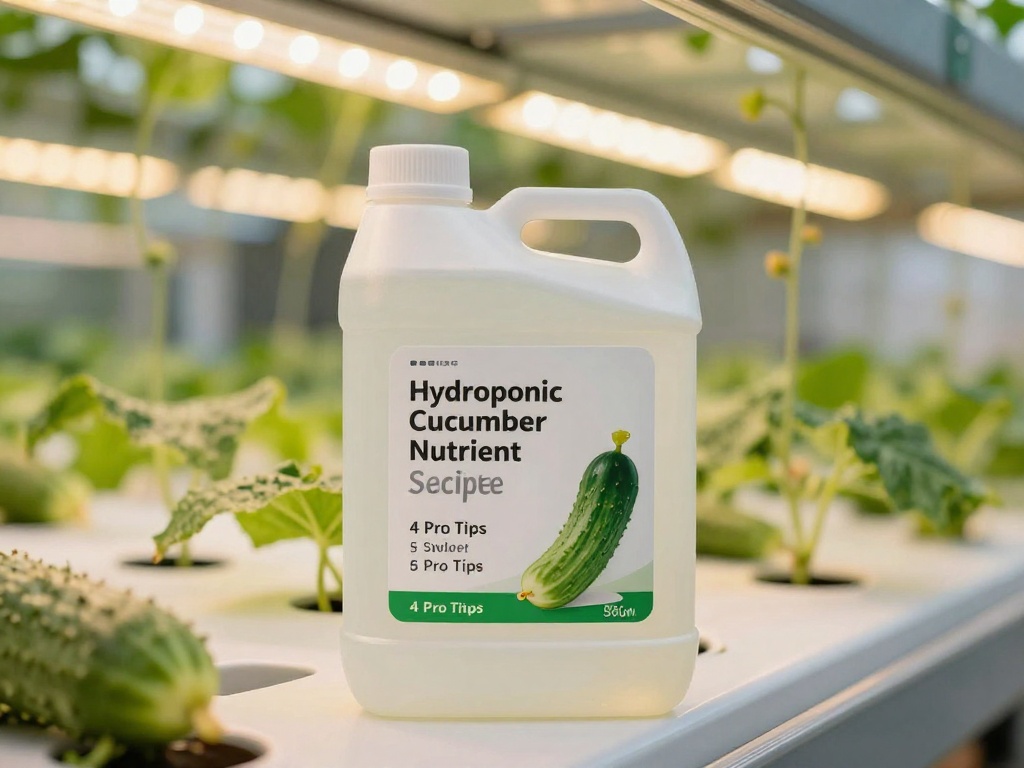
Hydroponic Cucumber Nutrient Solution Recipe: 4 Pro Tips
Growing hydroponic cucumbers starts with one critical factor: the right hydroponic cucumber nutrient solution recipe. Unlike soil-grown cucumbers, hydroponic plants get all their nutrition directly from the water, so a balanced, stage-specific mix prevents deficiencies and boosts fruit production. This guide breaks down a UC ANR-tested recipe and pro tips for successful harvests.
Why a Custom Hydroponic Cucumber Nutrient Solution Matters
Nutritional Needs of Hydroponic Cucumbers
Cucumbers are heavy-feeding fruiting vegetables that require specific ratios of macronutrients (nitrogen, phosphorus, potassium, calcium, magnesium) and micronutrients (iron, manganese, boron, zinc) to thrive. The University of California Division of Agriculture and Natural Resources (UC ANR) recommends adjusting nutrient ratios based on growth stages.
Critical pH and EC Ranges
Hydroponic cucumbers prefer a soil pH range of 5.5 to 6.5, as this range maximizes nutrient uptake. Electrical conductivity (EC) levels should sit between 1.8 and 2.5 mS/cm for most home hydroponic systems, ensuring enough nutrients without root burn.
Step-by-Step Hydroponic Cucumber Nutrient Solution Recipe
This tested recipe makes 5 gallons of final nutrient solution, ideal for small deep water culture (DWC) or nutrient film technique (NFT) systems. Use only food-grade hydroponic nutrients and dechlorinated water for best results.
Required Ingredients
- 140 grams calcium nitrate
- 100 grams potassium nitrate
- 30 grams monoammonium phosphate (MAP)
- 60 grams potassium sulfate
- 40 grams Epsom salt (magnesium sulfate)
- 10 grams vegetable-specific micronutrient mix
Mixing Steps
- Fill a clean 5-gallon bucket with 2.5 gallons of lukewarm, dechlorinated water.
- Add calcium nitrate and potassium nitrate, stirring fully until dissolved to avoid clumping.
- Add MAP, potassium sulfate, and Epsom salt, stirring again until fully dissolved.
- Stir in the micronutrient mix until no particles remain visible.
- Top off the bucket with remaining dechlorinated water to reach exactly 5 gallons.
- Test and adjust pH to 5.5–6.5 using pH up (potassium hydroxide) or pH down (phosphoric acid).
Important note: Never mix calcium and phosphate directly in concentrated form to prevent harmful precipitate buildup.
4 Pro Tips for Using Your Nutrient Solution
Adjust pH Right Before Feeding Plants
Never add pH adjusters to your stock solution. Test the final solution right before adding it to your hydroponic system, as pH can shift over time as plants absorb nutrients.
Monitor EC Levels Weekly
Use a digital EC meter to check nutrient concentration. Top off with dechlorinated water if levels drop, and replace the full solution every 2–3 weeks to prevent salt buildup in the reservoir.
Tailor Ratios to Growth Stages
Switch to a fruiting-stage formula once flowers appear: reduce calcium nitrate to 80 grams and increase potassium sulfate to 100 grams to prioritize fruit development over leaf growth.
Use Only Dechlorinated Water
Tap water often contains chlorine or chloramine, which can harm hydroponic cucumber roots. Use reverse osmosis water or let tap water sit for 24 hours to off-gas chlorine before mixing.
Troubleshooting Common Nutrient Issues
Salt buildup is the most common issue with hydroponic nutrient solutions. Flush your system with pH-adjusted plain water every 4 weeks to remove excess salts that can block root nutrient uptake. Watch for common deficiency signs like yellowing older leaves (nitrogen deficiency) or brown leaf edges (calcium deficiency), and adjust your nutrient solution immediately to correct imbalances. Root rot often stems from overfeeding or incorrect pH, so test and adjust your solution if you notice soft, brown roots.
FAQ About Hydroponic Cucumber Nutrient Solutions
What’s the best N-P-K ratio for hydroponic cucumbers?
For vegetative growth, use a 3-1-4 N-P-K ratio. Once flowering and fruiting begin, switch to a 1-2-3 ratio to prioritize fruit development and maximize yields.
Can I use a general hydroponic nutrient mix for growing hydroponic cucumbers?
While general mixes can work temporarily, cucumbers have specific nutritional needs that a custom hydroponic cucumber nutrient solution recipe better addresses to prevent deficiencies and boost harvests.
How often should I change the nutrient solution for my hydroponic cucumber plants?
For small home hydroponic systems, replace the full nutrient solution every 2–3 weeks. Top off the reservoir with fresh dechlorinated water between full changes to maintain water levels.
Is tap water safe to use in a hydroponic cucumber nutrient solution?
Tap water may work if it has low chlorine levels, but it’s best to use dechlorinated or reverse osmosis water to avoid harming cucumber roots and disrupting the balance of your nutrient solution.
No comments