
10 Essential Tips for Parsley Organic Gardening on Your Balcony
10 Essential Tips for Parsley Organic Gardening on Your Balcony
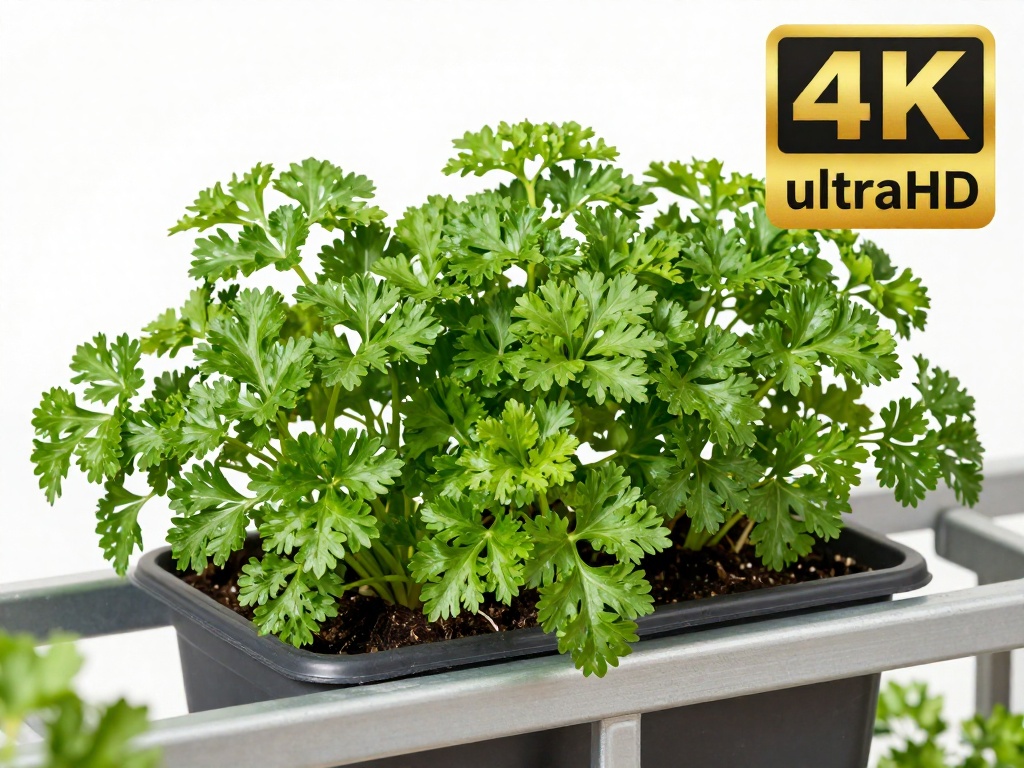
Growing parsley through organic gardening on your balcony is one of the most rewarding ways to add fresh, chemical-free herbs to your kitchen. Whether you have a small apartment balcony or a spacious terrace, this versatile herb thrives in containers and requires minimal care. In this complete guide, you'll discover everything you need to successfully cultivate lush, flavorful parsley using 100% organic methods.
Why Choose Organic Parsley for Balcony Gardening?
Organic parsley offers superior flavor compared to store-bought alternatives that often contain pesticide residues. When you grow your own herbs organically, you eliminate exposure to harmful chemicals while enjoying the freshest possible taste. Additionally, balcony gardening maximizes limited space and brings nature closer to urban living environments.
Parsley is rich in vitamins A, C, and K, making it a nutritious addition to any diet. Freshly harvested parsley retains maximum nutrients, which degrade rapidly after harvest. By growing parsley organic gardening on balcony spaces, you ensure optimal nutrition and flavor in every harvest.
Benefits of Container-Based Herb Cultivation
Container gardening allows complete control over soil quality, drainage, and growing conditions. You can easily move pots to optimize sunlight exposure throughout the day. Containers also prevent soil-borne diseases and make organic management significantly easier than traditional garden beds.
Selecting the Right Parsley Varieties
Two main types of parsley dominate home gardens: flat-leaf (Italian) parsley and curly parsley. Flat-leaf varieties offer stronger flavor profiles ideal for cooking, while curly types serve excellently as garnishes and in fresh salads. Both varieties adapt well to balcony organic gardening when provided appropriate care.
Italian Flat-Leaf Parsley
This variety produces the most intense flavor and is favored by professional chefs worldwide. Italian parsley grows vigorously in containers, reaching heights of 60-90 centimeters when healthy. Its flat, dark green leaves contain concentrated essential oils that make it perfect for Mediterranean dishes.
Curly Parsley Varieties
Curly parsley adds ornamental value to balcony gardens with its decorative, ruffled foliage. While slightly milder in taste, it performs exceptionally well in containers and tolerates partial shade better than flat-leaf varieties. This makes it ideal for balconies with limited direct sunlight.
Essential Container Setup for Parsley Success
Proper container selection forms the foundation of successful organic balcony gardening. Choose pots with minimum depth of 20 centimeters to accommodate parsley's extensive root system. Ensure containers have adequate drainage holes to prevent waterlogging, which causes root rot in organic growing systems.
Choosing Organic Potting Soil
Select premium organic potting mix specifically formulated for edible plants. Avoid garden soil, which may contain pests, diseases, and weed seeds. Quality organic potting soil provides optimal aeration, moisture retention, and nutrient availability for healthy parsley development.
Drainage and Watering Considerations
Place a layer of organic gravel or broken pottery at the bottom of containers to enhance drainage. Water thoroughly when the top 2-3 centimeters of soil feel dry to the touch. During hot summer months, balcony parsley may require daily watering. Consistent moisture without saturation promotes vigorous, aromatic growth.
Providing Optimal Sunlight Conditions
Parsley thrives with 6-8 hours of direct sunlight daily, though it tolerates partial shade (4-6 hours) with reduced vigor. South-facing balconies offer ideal conditions, while east or west-facing spaces work adequately with some adjustments. Monitor your specific microclimate and rotate containers weekly for even growth.
Managing Heat Stress
Balcony containers heat quickly during summer, potentially stressing plant roots. Use light-colored containers to reflect heat, or group pots together to create microclimate benefits. During extreme heat waves, provide afternoon shade using portable screens or strategic positioning near larger plants.
Organic Fertilization Strategies
Feed parsley every 3-4 weeks using organic liquid fertilizers approved for edible cultivation. Compost tea, fish emulsion, and seaweed extract provide balanced nutrition without synthetic chemicals. Over-fertilization causes lush foliage with diluted flavor, so maintain restraint for best results in your organic gardening balcony efforts.
Composting for Sustainable Growth
Incorporate quality organic compost into your potting mix at 20-30% concentration for long-term nutrition. Top-dress containers monthly with mature compost to continuously replenish soil fertility. Composting kitchen scraps provides sustainable, free fertilizer while reducing household waste.
Natural Pest and Disease Management
Organic parsley grown on balconies encounters fewer pest issues than garden-grown plants. Common adversaries include aphids, spider mites, and parsley worms. Combat these naturally using neem oil sprays, insecticidal soaps, or strong water blasts that dislodge pests without chemicals.
Preventing Common Diseases
Fungal diseases like powdery mildew and root rot result from excessive moisture and poor air circulation. Space containers adequately, prune regularly, and water at soil level rather than overhead. Remove affected foliage immediately and improve growing conditions to prevent spread.
Proper Pruning and Harvesting Techniques
Begin harvesting once stems display at least three segments of mature leaves. Cut outer stems first, leaving the central growing point intact for continued production. Regular harvesting encourages bushy, compact growth while preventing early bolting. Never harvest more than one-third of the plant at any time.
Encouraging Continuous Production
Pinch off flower buds immediately when they appear to extend the harvesting season. Bolting signals the end of productive growth, so prevention through consistent harvesting and optimal conditions maximizes yield. Indoor balcony positioning can delay bolting triggered by temperature fluctuations.
Overwintering Parsley Successfully
Parsley is technically biennial, surviving two growing seasons before naturally completing its life cycle. In colder climates, move containers indoors near south-facing windows for continued winter harvest. Reduce watering frequency and cease fertilization during dormant periods to maintain plant health through seasonal transitions.
Frequently Asked Questions
How long does parsley take to grow from seed on a balcony?
Parsley seeds typically germinate within 14-28 days, which is relatively slow compared to other herbs. Soaking seeds overnight before planting can accelerate germination. For faster results, start with nursery-grown organic seedlings and transplant them into your balcony containers.
Can I grow parsley organically without direct sunlight?
While parsley prefers full sun, it can survive with 4-6 hours of filtered or indirect light daily. Growth will be slower and foliage less dense, but plants remain healthy and productive. Supplement natural light with grow lights specifically designed for edible plants if your balcony receives minimal sunlight.
What companion plants work well with balcony parsley?
Parsley companions well with tomatoes, peppers, basil, chives, and lettuce in container gardens. These combinations maximize balcony space while potentially improving growth through beneficial plant interactions. Avoid planting parsley near members of the carrot family, as they compete for similar nutrients.
How do I know when my organic parsley is ready to harvest?
Parsley is ready for harvest once stems develop three or more leaf segments and reach approximately 15-20 centimeters in height. Stems should appear thick and sturdy with vibrant green color. Begin harvesting from the outer stems first, working inward to encourage continuous bushy growth throughout the season.
No comments