
10 Proven Tips for Carrots Organic Gardening in Small Spaces 2025
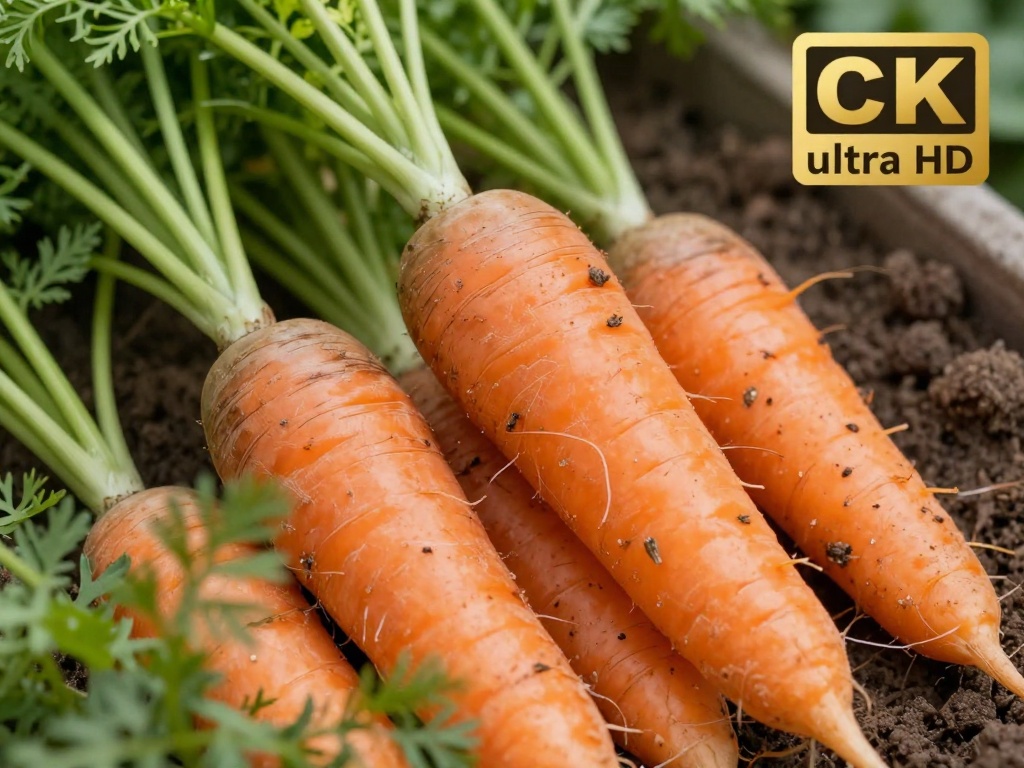
10 Proven Tips for Carrots Organic Gardening in Small Spaces 2025
Carrots organic gardening in small spaces has become increasingly popular as more urban dwellers discover the joy of growing their own fresh produce. Whether you have a modest balcony, a small patio, or limited raised beds, you can successfully cultivate sweet, nutritious carrots without needing acres of land. This comprehensive guide reveals expert techniques that transform even the tiniest spaces into productive carrot gardens.
Why Choose Carrots for Small Space Gardening
Carrots represent an ideal crop for space-constrained gardeners for several compelling reasons. These root vegetables grow downward rather than outward, meaning they require minimal horizontal space while maximizing your harvest potential. A single 4-foot raised bed can produce enough carrots to feed a small family throughout the growing season.
Beyond their space efficiency, organically grown carrots offer superior nutrition and flavor compared to store-bought alternatives. When you control the growing conditions, you eliminate exposure to synthetic pesticides and chemical fertilizers. Freshly harvested carrots contain significantly higher concentrations of beta-carotene and other essential nutrients.
Best Carrot Varieties for Small Space Gardens
Nantes Varieties
Nantes carrots excel in container and small bed gardening due to their compact, cylindrical shape. These varieties typically reach 5-7 inches in length, making them perfect for shallow containers. 'Scarlet Nantes' and 'Nelson' deliver exceptional sweetness with minimal growing requirements.
Mini and Babysize Carrots
Compact varieties like 'Thumbelina,' 'Parmex,' and 'Adelaide' were specifically bred for container growing. These cultivars mature quickly, often within 50-60 days, and produce sweet, rounded carrots perfect for fresh eating. Their small size makes them ideal for intensive planting schemes.
Danvers Half Long
This classic variety adapts remarkably well to various container depths and soil conditions. Danvers carrots grow 6-8 inches long with a tapered shape that accommodates moderately shallow growing medium. Their excellent storage qualities make them practical for year-round consumption.
Preparing the Perfect Soil for Carrot Success
Successful carrots organic gardening in small spaces begins with soil preparation. Carrots demand loose, well-draining soil free from rocks, clumps, and debris that could cause forking or misshapen roots. Create an ideal growing medium by combining equal parts of quality compost, coconut coir, and coarse sand.
The soil pH significantly impacts carrot development and nutrient absorption. Aim for a slightly acidic to neutral range between 6.0 and 6.8 for optimal results. Incorporate finished compost regularly to maintain soil fertility without compacting the growing medium.
Container gardeners should avoid using garden soil alone, as it compacts easily and may harbor pests and diseases. Instead, opt for a soilless potting mix specifically formulated for vegetables, amended with additional perlite for improved drainage.
Container and Raised Bed Strategies
Choosing the Right Containers
Select containers with adequate depth for your chosen carrot variety. Most carrots need at least 8-12 inches of growing depth, while miniature varieties can succeed in 6-inch depths. Ensure containers have sufficient drainage holes to prevent waterlogging, which causes root rot and disease.
Raised Bed Optimization
Raised beds offer excellent control over soil composition and drainage. Build beds at least 12 inches deep, or consider deeper configurations for long-rooted varieties. Installing landscape fabric at the bottom prevents weed intrusion while allowing excess moisture to escape.
Vertical and Intensive Planting
Maximize limited space by implementing vertical growing techniques. Install tiered planting shelves, hanging planters, or tower gardens to multiply your growing area. Square foot gardening methods work exceptionally well, allowing you to plant 16 carrots per square foot when using miniature varieties.
Planting Techniques for Maximum Yield
Direct sowing produces superior results compared to transplanting for carrots, as their delicate taproots resist disturbance. Sow seeds thinly, approximately 2-3 inches apart in rows, and cover lightly with fine soil no deeper than 1/4 inch. Carrot seeds require consistent moisture for germination, which typically occurs within 14-21 days.
Consider using seed tape or pelleted seeds for easier handling and precise spacing. This reduces waste and eliminates the need for early thinning, which can attract carrot rust flies. Plant successive crops every 3-4 weeks from early spring through late summer for continuous harvests.
Companion planting enhances small space productivity significantly. Interplant carrots with onions, lettuce, or radishes to deter pests and utilize available space efficiently. The slower-growing carrots benefit from the quick-harvest companions while sharing the same growing area.
Essential Care and Maintenance
Watering Best Practices
Consistent moisture proves critical for developing straight, sweet carrots. Water deeply whenever the top inch of soil feels dry, typically 2-3 times weekly depending on weather conditions. Avoid shallow, frequent watering that encourages surface root development and causes cracking.
Organic Fertilization
Feed carrots with organic fertilizers low in nitrogen but rich in phosphorus and potassium. Excessive nitrogen promotes lush tops at the expense of root development. Apply compost tea monthly or side-dress with well-aged compost to maintain steady nutrition throughout the growing season.
Thinning and Weeding
Thin seedlings when tops reach 2 inches tall, removing weaker plants to achieve proper spacing. Be gentle during this process to avoid disturbing remaining roots. Hand-weed carefully around carrot tops, as carrots compete poorly against aggressive weeds.
Organic Pest and Disease Management
Protecting carrots organically requires proactive pest prevention strategies. Cover rows with floating row covers immediately after planting to exclude carrot rust flies, aphids, and other problematic insects. This physical barrier provides effective protection without resorting to chemical interventions.
Encourage beneficial insects like ladybugs and lacewings that naturally control aphid populations. Plant flowers such as marigolds, calendula, and dill nearby to attract these helpful predators. Maintain garden cleanliness by removing plant debris promptly to reduce disease pressure.
Common carrot diseases including alternaria leaf blight and powdery mildew respond well to proper cultural practices. Ensure adequate air circulation, avoid overhead watering, and remove infected plant material immediately. Copper-based organic fungicides provide additional protection when necessary.
Harvesting and Storage Tips
Carrots reach optimal flavor when they develop full color and reach their mature size, typically 60-80 days after planting depending on variety. Gently loosen soil around the root before pulling to prevent breakage. Harvest in the morning when sugar content peaks for the sweetest flavor.
Remove tops immediately after harvesting, leaving about 1/2 inch of stem. Store unwashed carrots in perforated plastic bags in the refrigerator crisper drawer for several weeks. For long-term storage, pack carrots in layers of barely damp sand in a cool basement or root cellar.
Consider succession planting to ensure continuous harvests throughout the growing season. Calculate your planting dates based on first expected frost in fall, working backward to determine final planting windows. Many varieties tolerate light frosts, which actually enhances their sweetness.
Frequently Asked Questions
What is the best month to plant carrots in small spaces?
The ideal planting time depends on your climate zone, but generally carrots thrive when planted 2-4 weeks before the last spring frost. In most regions, this means planting between March and May for summer harvests, with a second planting in late summer for fall harvest. Carrots prefer cooler temperatures between 60-70°F for optimal germination and development.
Can carrots grow successfully in shallow containers?
Yes, miniature carrot varieties like 'Thumbelina' and 'Parmex' thrive in containers with just 6 inches of depth. Standard carrot varieties require at least 10-12 inches of soil depth. Always ensure your container has adequate drainage holes and use a loose, well-draining potting mix to prevent waterlogging and promote straight root development.
How do I prevent carrots from becoming misshapen in containers?
Misshapen carrots result primarily from compacted soil, rocks, or fresh fertilizer touching the roots. Use only loose, stone-free growing medium when planting in containers. Avoid adding fresh manure or high-nitrogen fertilizers directly before planting. Consistent, deep watering also encourages uniform root development and prevents forking or splitting.
Growing carrots organically in small spaces rewards patient gardeners with delicious harvests that far surpass store-bought quality. Start your small space carrot garden today using these proven techniques, and enjoy the satisfaction of homegrown produce regardless of your available growing area.
No comments