
Hydrangeas Seed Starting Easy Method: 2026 Beginner's Guide
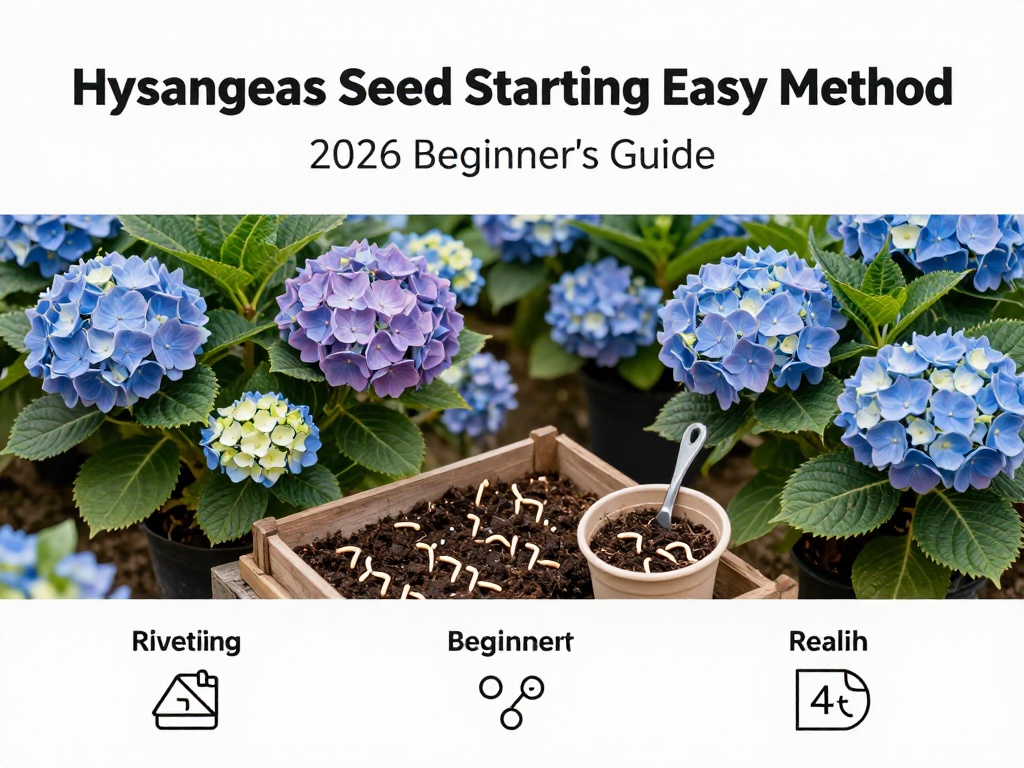
Hydrangeas Seed Starting Easy Method: 2026 Beginner's Guide
Starting hydrangeas from seeds is one of the most rewarding gardening projects you can undertake. While many gardeners opt for cuttings, learning hydrangeas seed starting easy method techniques opens up possibilities for growing unique varieties and expanding your garden without breaking the bank. This comprehensive guide walks you through every step of the process, ensuring success even if you have never propagated plants from seed before.
Why Grow Hydrangeas from Seeds?
Growing hydrangeas from seeds offers distinct advantages over other propagation methods. Seeds produce plants with robust root systems that adapt well to local conditions. Additionally, seed-grown hydrangeas often display interesting variations in color and flower shape, making each plant unique. The easy method for starting hydrangea seeds allows you to cultivate dozens of plants economically, perfect for creating stunning borders or sharing with fellow gardening enthusiasts.
Benefits of Seed Starting for Hydrangeas
- Cost-effective way to produce multiple plants
- Greater genetic diversity in your garden
- Stronger, more adaptable plants over time
- Opportunity to grow rare or unusual varieties
- Satisfaction of completing the full plant lifecycle
Understanding Hydrangea Seeds
Hydrangea seeds are remarkably small, resembling dust particles in size. Each flower cluster can produce hundreds of seeds, giving you ample opportunity for successful germination. Fresh seeds harvested from your existing plants typically offer the highest germination rates, though commercially purchased seeds also perform well when stored properly.
When to Collect or Purchase Seeds
Harvest hydrangea seeds in late summer or early fall when the flower heads turn brown and dry. If purchasing seeds, select reputable suppliers and check the packaging date. For the hydrangeas seed starting easy method to work optimally, always use seeds from the current or previous growing season.
The Easy Method: Step-by-Step Seed Starting Process
Materials You'll Need
- High-quality seed-starting mix or peat-based medium
- Small seed trays or cell packs with drainage holes
- Clear plastic humidity dome or plastic wrap
- Spray bottle for gentle watering
- Labels and permanent marker
- Warm, well-lit location or grow lights
Step 1: Preparing Your Seed-Starting Medium
The foundation of successful hydrangea seed germination begins with proper medium preparation. Fill your seed trays with a sterile, well-draining seed-starting mix. Moisten the medium thoroughly before planting, ensuring it feels damp but not waterlogged. The ideal consistency should hold its shape when squeezed but crumble easily when poked.
Step 2: Planting the Seeds
Hydrangea seeds require light for germination, so surface sowing is essential. Scatter seeds thinly across the moist medium, pressing them gently into the surface without covering them. The easy method for starting hydrangea seeds involves using a light dusting of vermiculite or fine sand to barely cover the seeds, helping maintain moisture while still allowing light penetration.
Step 3: Creating the Ideal Environment
Cover your seed trays with a clear plastic dome or plastic wrap to create a humid microclimate. Place the trays in a location receiving bright, indirect light at temperatures between 65-75°F (18-24°C). This temperature range is crucial for successful hydrangea seed starting and typically yields germination within 10-14 days.
Step 4: Watering and Ventilation
Maintain consistent moisture using a spray bottle to mist the surface gently. Avoid overwatering, as hydrangea seeds are prone to damping-off in soggy conditions. Lift the plastic cover daily to allow air circulation and prevent fungal growth. This simple ventilation step is critical to the easy hydrangea propagation method.
Transplanting Seedlings
Once your seedlings develop their second set of true leaves, they are ready for transplanting. Prepare small pots filled with rich, well-draining potting mix. Carefully lift each seedling by its leaves, never the delicate stem, and transplant into individual containers. Continue maintaining consistent moisture and gradual sun exposure during this vulnerable stage.
Hardening Off Process
Before moving seedlings outdoors permanently, gradually acclimate them to outdoor conditions over 7-10 days. Start by placing pots in shaded areas for a few hours daily, gradually increasing exposure to morning sun and reducing time indoors. This hardening-off process ensures strong, resilient plants capable of thriving in your garden.
Caring for Young Hydrangeas
Young hydrangeas require consistent care during their first growing season. Water deeply when the top inch of soil feels dry, typically twice weekly during warm weather. Apply a balanced, slow-release fertilizer monthly during the growing season. Mulching around plants helps retain moisture and suppress weeds that compete for nutrients.
Winter Protection for Seedlings
Newly established hydrangeas need protection from harsh winter conditions. Apply a thick layer of mulch around the base in late fall, and consider wrapping young plants with burlap in USDA zones 5 and colder. This protective measure significantly improves survival rates through the first critical winter.
Common Mistakes to Avoid
Even with an easy method for starting hydrangea seeds, beginners often encounter setbacks. Planting seeds too deeply prevents light from reaching germination points. Overwatering creates conditions for fungal diseases that kill seedlings rapidly. Using old or improperly stored seeds dramatically reduces germination rates. Patience is essential, as hydrangeas grown from seed typically require 2-3 years before producing their first flowers.
Timeline and Expectations
Understanding the growth timeline prevents discouragement during the waiting period. Germination occurs within 10-14 days under optimal conditions. Seedlings develop true leaves within 3-4 weeks and become ready for transplanting after 6-8 weeks. Outdoor planting typically occurs the following spring, with first blooms appearing 2-3 years after initial planting.
FAQ
How long does it take for hydrangea seeds to germinate?
Under optimal conditions with temperatures between 65-75°F and consistent moisture, hydrangea seeds typically germinate within 10-14 days. Using the hydrangeas seed starting easy method with proper humidity dome coverage can improve germination rates and timing.
Can I start hydrangea seeds indoors?
Yes, starting seeds indoors is the recommended approach for most climates. Begin 8-10 weeks before your last expected frost date. Indoor starting gives you control over temperature and moisture conditions, significantly increasing your success rate with this easy propagation method.
Do hydrangea seeds need light to germinate?
Hydrangea seeds require light for successful germination, making surface sowing essential. Do not bury seeds deeply or cover them heavily. A light dusting of vermiculite is sufficient to maintain moisture while allowing light penetration for the hydrangeas seed starting easy method to work effectively.
What is the best soil mix for starting hydrangea seeds?
The ideal medium for hydrangea seed germination is a sterile, lightweight seed-starting mix with good drainage. Peat-based mixes work exceptionally well. Avoid garden soil, which compacts easily and may contain pathogens that harm delicate seedlings.
How many seeds should I plant for best results?
Plant 3-5 seeds per cell or small pot to ensure adequate germination, as not every seed will sprout. Thin seedlings to one strong plant per cell once true leaves develop. This approach maximizes your chances of success with minimal seed waste.
When will my seed-grown hydrangeas bloom?
Patience is essential when growing hydrangeas from seed. Most seed-grown plants require 2-3 years before producing their first flowers. Some varieties may take up to 4 years. The wait is worthwhile, as these plants often produce unique blooms not seen in parent plants.
No comments