
Pumpkin Transplanting in Small Spaces: 2026 Complete Guide
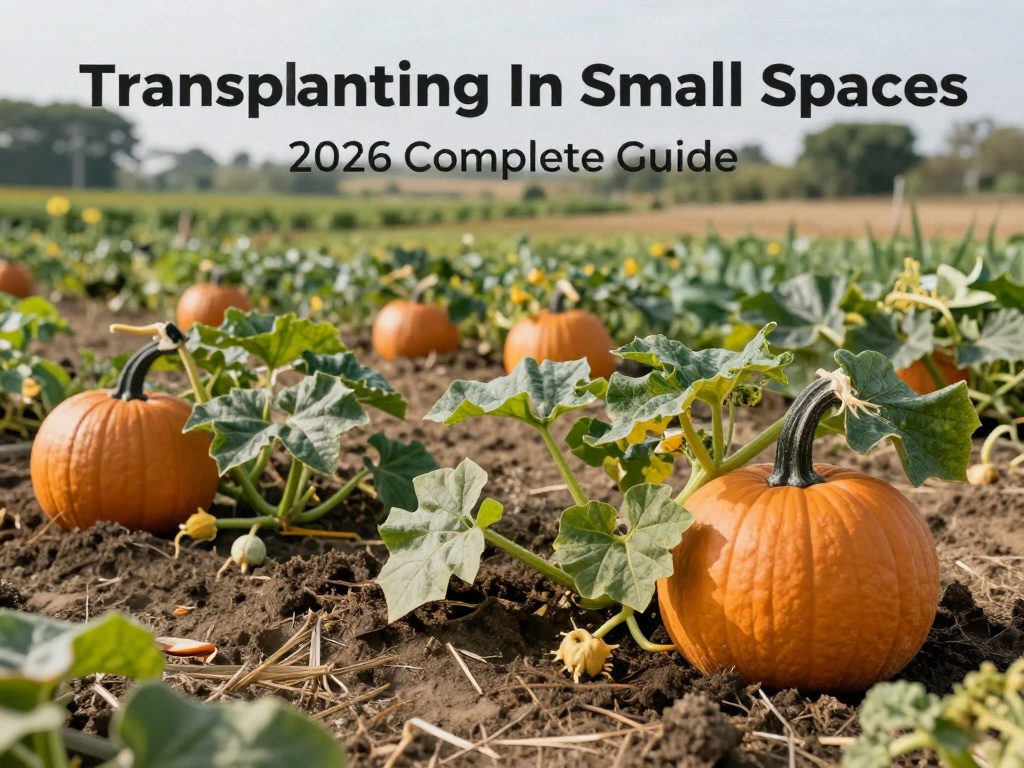
Pumpkin Transplanting in Small Spaces: 2026 Complete Guide
Growing pumpkins in small spaces might sound challenging, but with the right transplanting techniques, you can enjoy a bountiful harvest even on a patio, balcony, or tiny backyard. Pumpkin transplanting in small spaces requires careful timing, proper container selection, and space-efficient training methods that maximize every square foot of your growing area.
This comprehensive guide walks you through everything you need to know about successfully transplanting pumpkin seedlings into limited spaces, from choosing compact varieties to implementing vertical growing strategies that work beautifully in urban environments.
Why Transplant Pumpkins Instead of Direct Sowing?
Transplanting offers several advantages for small space gardeners, particularly when working with short growing seasons or limited outdoor access. Starting seeds indoors gives you a head start of 2-3 weeks, which proves essential in regions with shorter summers where pumpkins might not mature before frost arrives.
Transplanting also allows you to select the strongest seedlings and reject weak or diseased plants before investing your precious small space resources. You can start multiple seeds in a controlled indoor environment and choose only the healthiest specimens for your containers or raised beds. This method significantly increases your chances of harvest success compared to direct sowing, where weather variability and pests can wipe out entire crops.
Benefits for Urban and Small Space Growers
For apartment dwellers and urban gardeners, transplanting provides flexibility in managing unpredictable weather conditions. Seedlings can be protected during unexpected cold snaps and gradually hardened off before permanent outdoor placement. This controlled approach reduces plant stress and establishes stronger root systems faster than direct-sown seedlings.
Best Time to Transplant Pumpkins Outdoors
Timing your pumpkin transplanting correctly determines whether your plants thrive or struggle throughout the season. Pumpkins are warm-season crops that demand soil temperatures consistently above 65°F (18°C) and nighttime temperatures staying above 50°F (10°C). Transplanting too early into cold soil causes root stress, stunted growth, and increased disease susceptibility.
Reading Your Last Frost Date
Calculate your area's last expected frost date and plan to transplant 2-3 weeks after this date. In most USDA zones, this means transplanting between late May and early June. For small space growers using containers on patios or near buildings, remember that these areas often retain heat and can be planted slightly earlier than open garden beds. However, always keep frost cloth nearby for unexpected cold nights.
Soil Temperature Verification
Use a soil thermometer to verify ground temperatures before transplanting. Insert the thermometer 2-3 inches deep into your container mix or raised bed soil. When readings consistently show 65°F (18°C) or higher at this depth, your soil is ready for pumpkin transplanting. Taking this extra step prevents the common mistake of transplanting based on air temperature alone, which can be misleading during spring weather fluctuations.
Choosing the Right Pumpkin Varieties for Small Spaces
Not all pumpkins adapt equally well to container and small space cultivation. Selecting compact or bush-type varieties dramatically increases your success rate and makes pumpkin transplanting in small spaces far more manageable. These varieties produce shorter vines or grow in concentrated bush patterns that require minimal horizontal spread.
Recommended Compact Varieties
- Diameter Bush Pumpkin: Grows in a tight 3-4 foot circle, perfect for containers and small raised beds
- Baby Bear Mini Pumpkin: Produces small 2-3 pound fruits on manageable 5-foot vines
- Wee-Bee Little Pumpkin: Ultra-compact variety ideal for balcony containers and small patios
- Jack Be Little: Popular miniature pumpkin producing dozens of small fruits on trailing vines that can be trained vertically
- Lumina White Pumpkin: Unique white variety with compact growth habit suitable for ornamental display in small spaces
Avoiding Large Vine Varieties
While giant pumpkin varieties produce impressive fruits, they require 100-200 square feet of growing space per plant and are completely unsuitable for small space transplanting. Even standard jack-o'-lantern varieties with 15-foot vines can overwhelm small patios and balconies. Stick with bush or semi-bush types specifically bred for container growing to ensure your limited space delivers satisfying results.
Step-by-Step Pumpkin Transplanting Process
Follow this systematic approach for successful pumpkin transplanting that minimizes root disturbance and establishes seedlings quickly in their permanent containers or small space beds.
Step 1: Harden Off Seedlings Gradually
Begin hardening off your indoor-started seedlings 7-10 days before transplanting. Place seedlings outside in a sheltered location for 1-2 hours initially, gradually increasing exposure by 1-2 hours daily. By transplant day, seedlings should tolerate full outdoor conditions for at least 6-8 hours. This gradual adjustment prevents transplant shock and strengthens stems for outdoor life.
Step 2: Prepare Transplant Containers
Select containers at least 18 inches deep and 24 inches wide for compact pumpkin varieties. Ensure containers have adequate drainage holes since pumpkins are susceptible to root rot in waterlogged conditions. Fill containers with well-draining potting mix amended with aged compost, leaving 2 inches of space below the container rim. Water the soil thoroughly 24 hours before transplanting to achieve even moisture distribution.
Step 3: Transplant Technique for Minimal Root Disturbance
Transplant on an overcast day or during late afternoon to reduce immediate heat stress. Dig a hole slightly larger than the seedling's root ball. Carefully remove the seedling from its starting pot, preserving the entire root ball. Place the seedling at the same depth it grew in its original container—never plant pumpkin stems deeper since this invites rot. Backfill around the root ball, firming soil gently to eliminate air pockets, then water deeply to settle soil around roots.
Step 4: Initial Care After Transplanting
Maintain consistent soil moisture for the first 2 weeks while roots establish. Water deeply when the top inch of soil feels dry, typically every 2-3 days depending on temperature and container size. Provide afternoon shade protection during the first week if temperatures exceed 85°F. A light mulch layer around seedlings helps retain moisture and moderates soil temperature fluctuations in small containers.
Maximizing Space with Vertical Growing Techniques
Vertical growing transforms small space pumpkin cultivation from challenging to highly productive. Training pumpkin vines upward on supports saves floor space while creating an attractive living display on patios and balconies.
Building Sturdy Support Structures
Pumpkin fruits become heavy, so vertical supports must handle 20-50 pounds of weight per fruit depending on variety. Install trellises or supports at transplant time before vines begin rambling. Sturdy options include cattle panel fencing secured to posts, heavy-duty A-frame structures, or wall-mounted lattices with strong mounting brackets. For balcony growing, ensure supports attach securely to railings or walls and won't pose falling hazards.
Training and Supporting Developing Fruits
As vines grow upward, gently weave or tie main stems to supports using soft garden ties. Position fruits in slings made from cloth, mesh bags, or pantyhose to support developing weight. Attach slings to the trellis structure above the fruit, creating a hammock effect that distributes weight across the support rather than stressing the vine. Check supports weekly and adjust ties as stems thicken to prevent constriction.
Container Growing Tips for Maximum Yield
Container gardening requires different management than ground planting, especially for hungry crops like pumpkins. Success depends on providing adequate nutrition, consistent watering, and space management that keeps plants productive in their limited root zones.
Soil Mix and Fertilization
Use a high-quality potting mix containing peat moss, perlite, and vermiculite for optimal drainage and moisture retention. Incorporate slow-release organic fertilizer at planting time and supplement with liquid fertilizer every 2 weeks once flowering begins. Pumpkins in containers need more frequent feeding than ground-planted varieties since nutrients leach through watering. Watch for yellowing leaves as a sign of nitrogen deficiency requiring immediate supplementation.
Watering Strategies for Potted Pumpkins
Containers dry out faster than garden beds, especially during hot summer months when daily watering may be necessary. Water deeply until moisture runs from drainage holes, ensuring the entire root ball receives hydration. Morning watering allows foliage to dry before evening, reducing fungal disease risk. Consider self-watering containers or drip irrigation systems for consistent moisture management in small spaces where frequent attention isn't always possible.
Common Mistakes to Avoid
Understanding common transplanting errors helps you sidestep problems that devastate small space pumpkin crops. Prevention proves far easier than remediation when your growing space is limited.
Transplanting Too Early
Cold soil kills pumpkin roots faster than cold air kills foliage. Even if weather forecasts predict warm temperatures, spring soil often remains cold long after air temperatures rise. Wait for consistently warm soil rather than rushing the season. This patience rewards you with vigorous transplants that establish quickly rather than struggling seedlings that never fully recover.
Overwatering in Containers
Beginner container growers frequently overwater, mistaking always-wet soil for adequate moisture. Pumpkins prefer consistent moisture but absolutely require well-draining conditions. Soggy soil suffocates roots and promotes Pythium and Phytophthora diseases that quickly destroy seedlings. Check soil moisture by inserting your finger 2 inches deep—water only when the soil feels dry at this depth.
Neglecting Pollination
Small space gardens often lack natural pollinators like bees, resulting in flowers that bloom but never set fruit. When you notice flowers appearing but fruits fail to develop, hand pollination becomes necessary. Identify male flowers (long stems, no fruit swelling behind) and female flowers (short stems with tiny fruit behind). Transfer pollen from male to female using a small paintbrush or by gently rubbing flowers together.
FAQ: Pumpkin Transplanting in Small Spaces
What is the minimum container size for growing pumpkins?
Compact pumpkin varieties require containers at least 18 inches deep and 24 inches wide. This volume provides adequate root space for healthy plant development. Smaller containers restrict root growth, resulting in stunted plants that produce few or no fruits.
Can I transplant pumpkins into hanging baskets?
Hanging baskets are generally unsuitable for pumpkins because the fruits become too heavy and the root volume is insufficient for productive plants. Instead, use large containers on the ground or train vines vertically on sturdy supports to maximize your small space without the weight and space limitations of hanging arrangements.
How long does it take from transplanting to harvest?
Most compact pumpkin varieties mature 85-110 days after transplanting, depending on the specific variety and growing conditions. Miniature varieties may mature faster, while larger compact types take longer. Count backward from your first expected fall frost date to schedule transplanting appropriately.
Why are my transplanted pumpkin seedlings wilting despite adequate water?
Wilting despite moist soil often indicates transplant shock, root damage during transplanting, or root rot from overwatering. Inspect roots when first symptoms appear—healthy roots appear white while damaged roots look brown or slimy. If root rot is present, recovery is unlikely and replacing the plant may be necessary.
Should I remove the first flowers on transplanted pumpkins?
Removing early flowers encourages stronger root and vine development before the plant invests energy in fruit production. Pinch or cut the first 3-5 flowers that appear, allowing the plant to establish a robust framework first. This practice results in larger, healthier fruits on more vigorous plants in the long term.
Can I grow pumpkins on a balcony that receives only 6 hours of sunlight?
Pumpkins require minimum 6-8 hours of direct sunlight daily for productive growth. Six hours of direct sun may support growth but likely reduces yield and extends time to maturity. If your balcony receives less than 6 hours, consider growing shade-tolerant leafy greens instead and reserve your sunny spots for sun-loving crops like pumpkins.
What companion plants work well with pumpkins in small spaces?
Compact companion plants for container pumpkins include marigolds (pest deterrent), basil, and small lettuce varieties planted around the container edges. Avoid planting other large vegetables in the same container since they compete for nutrients and water. Intercrop with fast-maturing radishes or spinach in the spaces between pumpkin plants before the vines spread fully.
Pumpkin transplanting in small spaces delivers rewarding results when you select appropriate varieties, time your transplant correctly, and implement space-maximizing techniques like vertical training. Start your seeds indoors 3-4 weeks before your last frost date, follow this transplanting guide carefully, and enjoy homegrown pumpkins from your patio, balcony, or tiny backyard this season.
No comments