
Start Melon Seeds in Pots: 2026 Step-by-Step Guide
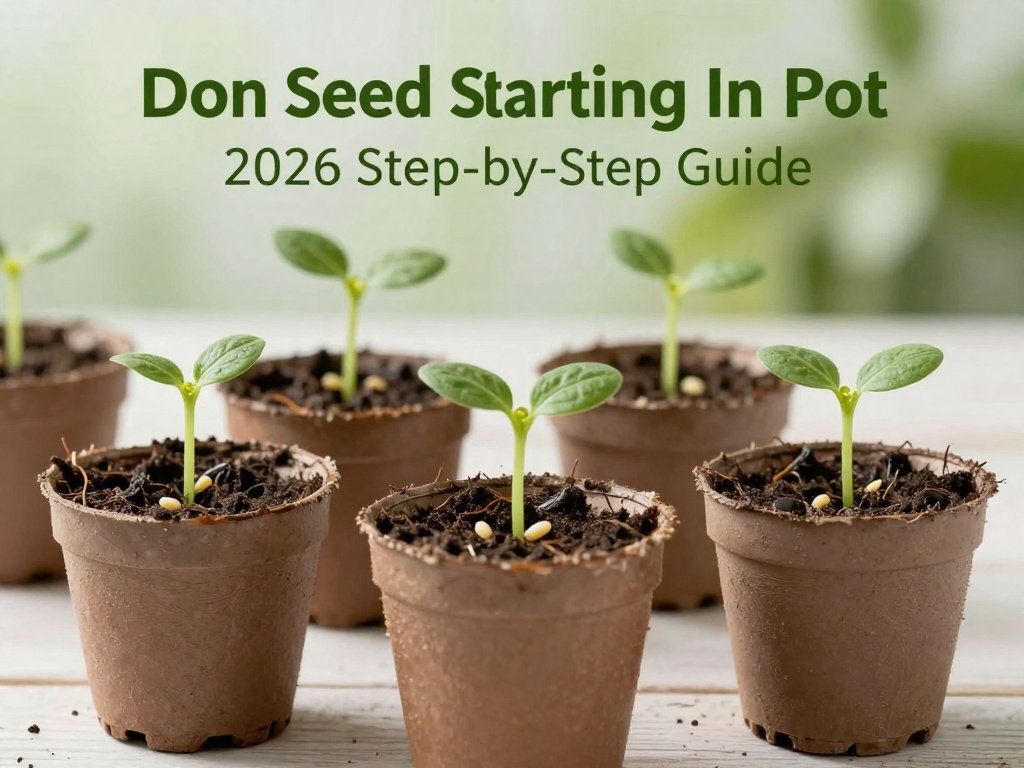
Start Melon Seeds in Pots: 2026 Step-by-Step Guide
Melon seed starting in pots offers an excellent solution for gardeners with limited space or challenging climates. Whether you have a small balcony, patio, or simply want to get a head start on the growing season, container-based seed starting provides flexibility and control over your melon plants' early development. This comprehensive guide walks you through every step of successfully starting melon seeds in pots, ensuring healthy seedlings ready for transplanting or continued container growing.
Why Start Melon Seeds in Pots?
Container seed starting has become increasingly popular among home gardeners, and melons are particularly well-suited for this method. Starting melon seeds in pots allows you to control environmental conditions precisely during the critical germination stage. You can move containers to optimal sun positions, protect seedlings from pests, and manage watering more effectively than direct ground planting.
For gardeners in northern regions with short growing seasons, pot starting extends your productive period by 2-4 weeks. This head start often makes the difference between harvesting fully ripe, sweet melons versus underripe fruit. Additionally, growing melons in pots on patios or decks eliminates soil-borne disease concerns that commonly affect melons planted in the same garden location year after year.
Best Melon Varieties for Container Growing
Not all melon varieties perform equally well in containers. Compact bush varieties and smaller melons thrive better in pots than sprawling vine types. Bush sugar baby watermelons produce compact plants bearing 8-10 pound fruits perfect for container culture. Minnesota midget cantaloupes grow on vines only 3-4 feet long, making them ideal for large containers with trellis support.
Crane melons and golden crispy honeydews also adapt well to container growing when provided adequate support. For truly small-space gardening, consider bush charentais melons or golden langeneck cantaloupes, both producing full-sized fruit on manageable plants. Selecting disease-resistant varieties further ensures success when growing in containers, as environmental control is inherently more challenging than field production.
Materials and Supplies Needed
Gathering proper supplies before beginning simplifies the seed starting process considerably. You will need seed starting pots or cell trays at least 3 inches deep with drainage holes, high-quality seed starting mix (never garden soil), melon seeds from a reputable supplier, spray bottles for gentle watering, and clear plastic domes or plastic wrap for humidity retention during germination.
Additional helpful items include a heating mat designed for seed starting (soil temperature should reach 70-85°F for optimal melon germination), grow lights or a very bright south-facing window, small fan for air circulation, and liquid fertilizer for seedlings. For container growing after transplanting, select pots at least 5 gallons per plant for bush varieties or 7-10 gallons for vining types.
Step-by-Step Melon Seed Starting Process
Choosing the Right Seed Starting Containers
Container selection significantly impacts seedling success. Peat pots and cow pots work excellently for melons because roots can penetrate the biodegradable walls, and transplant shock is minimized when planting directly into larger containers. Plastic cell trays offer economy and reusability but require more careful transplant handling. Individual 3-4 inch pots provide optimal space for melon root development before transplanting.
Whatever container you choose, ensure it has adequate drainage holes. Melon seedlings are highly susceptible to damping off disease, which thrives in overly wet conditions. Starting in smaller cells and moving to larger containers as seedlings grow allows better moisture management throughout the early growth stage.
Preparing the Ideal Soil Mix
Melon seeds require loose, well-draining soil with good moisture retention. Commercial seed starting mixes provide an excellent foundation, containing balanced peat moss, perlite, and vermiculite proportions. Add one part perlite to three parts seed starting mix for improved drainage, essential for preventing root rot in container growing.
Never use garden soil for starting seeds, as it compacts easily in containers and may harbor disease organisms. Pre-moisten your soil mix before filling containers, achieving the consistency of a wrung-out sponge. Properly moistened soil ensures good seed-to-soil contact while preventing the dry pockets that cause uneven germination.
Planting Melon Seeds Correctly
Plant melon seeds at a depth of 1/2 to 1 inch, placing 2-3 seeds per small container in case of germination failure. Cover seeds completely with soil and gently firm the surface to ensure contact. For hill planting in larger containers, group three seeds in a triangle pattern, spacing hills at least 6 inches apart within the same pot.
Label each variety clearly since melon seedlings look remarkably similar regardless of variety. Include planting dates on labels to track germination timing. After planting, cover containers with clear plastic domes or plastic wrap to maintain humidity until sprouts emerge, then remove immediately to prevent fungal problems.
Germination and Early Seedling Care
Melon seeds typically germinate within 4-10 days under optimal conditions. Maintain soil temperature between 70-85°F using a heat mat for fastest, most uniform germination. Once sprouts emerge, remove any coverings immediately and provide maximum light exposure. Seedlings developing in low light become leggy and weak, rarely recovering after transplanting.
Water seedlings when the soil surface becomes dry, applying water gently to avoid disturbing roots. A spray bottle works well for the first week; transition to a small watering can afterward. Feed seedlings weekly with diluted liquid fertilizer at half the recommended strength, beginning only after the first true leaves appear.
Hardening Off Container Seedlings
Before transplanting outdoors or to permanent containers, seedlings must undergo hardening off to develop tolerance for environmental stress. Begin this process 7-10 days before planned transplanting by placing seedlings outside in a sheltered location for 1-2 hours daily. Gradually increase outdoor time while decreasing indoor care over this period.
During hardening off, protect seedlings from direct wind and intense midday sun initially. By the final days, seedlings should remain outdoors full-time, including overnight if frost danger has passed. This gradual transition reduces transplant shock and produces more resilient melon plants capable of handling garden conditions.
Common Mistakes to Avoid
Overwatering represents the most common failure when starting melon seeds in pots. Always check soil moisture before watering by inserting your finger one inch deep; water only when the soil feels dry at that depth. Using containers without drainage holes guarantees failure, as waterlogging kills emerging seedlings within days.
Starting seeds too early leads to root-bound plants struggling in undersized containers. Melons grow rapidly; typically, 3-4 weeks from germination provides sufficient time before transplanting. Insufficient light causes weak, pale seedlings incapable of productive growth. Position containers in locations receiving at least 6-8 hours of direct sunlight daily.
When to Transplant Your Seedlings
Transplant melon seedlings when they develop 2-3 sets of true leaves beyond the initial seed leaves. True leaves appear after the first two rounded leaves and display the characteristic lobed melon foliage. Seedlings should be 3-4 inches tall with healthy green color and stocky stems rather than tall, pale, weak growth.
For continued container growing, transplant into final large containers filled with rich, well-draining potting mix amended with compost. Provide sturdy trellis support for vining varieties at transplant time to avoid later root disturbance. If transplanting to garden beds, choose a location with full sun exposure and protected from strong winds.
FAQ: Melon Seed Starting in Pots
What is the best month to start melon seeds in pots?
Start melon seeds in pots 3-4 weeks before your last expected frost date. For most temperate regions, this means indoor seed starting between late February and mid-April. Melons require warm soil and air temperatures to thrive, so starting too early outdoors often fails.
Do melon seeds need light to germinate?
Melon seeds do not require light for germination; they germinate fine in dark soil. However, once sprouts emerge above the soil surface, adequate light becomes critical. Provide 12-16 hours of bright light daily to produce stocky, healthy seedlings rather than leggy, weak plants.
Why are my melon seedlings falling over?
Seedling falling over, called damping off, results from fungal infection in overly wet or humid conditions. Improve air circulation with a small fan, reduce watering frequency, and ensure containers have proper drainage. Unfortunately, affected seedlings rarely recover and should be discarded.
How long does it take for melon seeds to sprout in containers?
Under optimal conditions (70-85°F soil temperature), melon seeds typically sprout within 4-10 days. Cooler temperatures significantly delay germination; seeds planted in soil below 65°F may take 14-21 days or fail to germinate entirely.
Can melon seedlings stay in small pots permanently?
Melon seedlings cannot remain in small pots permanently. They require transplanting to larger containers (at least 5 gallons) or garden beds as they grow. Root-bound melon plants become stunted, produce poor fruit, and often die prematurely due to limited root space for water and nutrient uptake.
What is the easiest melon variety to grow in containers?
Bush sugar baby watermelon and Minnesota midget cantaloupe rank among the easiest melons for container growing. Both produce manageable plants with compact growth habits, require less vertical space, and bear sweet, properly sized fruit within one growing season.
Starting melon seeds in pots successfully requires attention to temperature, moisture, and light during the critical early growth stage. Following this step-by-step approach ensures healthy seedlings ready for either continued container growing or garden transplanting. With proper care, your pot-started melon plants will reward you with sweet, homegrown fruit regardless of your available garden space.
No comments