
7 Best Blackberries Vertical Gardening Solutions for Small Spaces
7 Best Blackberries Vertical Gardening Solutions for Small Spaces
Growing blackberries vertical gardening in small spaces offers an incredible opportunity for urban gardeners and homeowners with limited yard area. Rather than letting restricted square footage prevent you from enjoying fresh, homegrown berries, vertical gardening transforms walls, fences, and balconies into productive growing zones. This comprehensive guide reveals seven proven methods that maximize your harvest while minimizing your footprint.
Why Choose Vertical Gardening for Blackberries
Traditional blackberry patches require significant horizontal space, often spreading 6-8 feet wide per plant. Vertical gardening in small spaces collapses this footprint dramatically, allowing you to grow berries in areas as narrow as 2 feet. Beyond space efficiency, vertical systems improve air circulation around foliage, reduce disease pressure, and simplify harvest by concentrating fruit at accessible heights.
Modern small-space gardeners report harvesting 30-50% more berries per square foot using vertical methods compared to conventional planting. The upright growing pattern also enhances sunlight exposure, resulting in sweeter, more flavorful fruit with better color development.
7 Proven Methods for Blackberries Vertical Gardening in Small Spaces
1. Trellis Systems
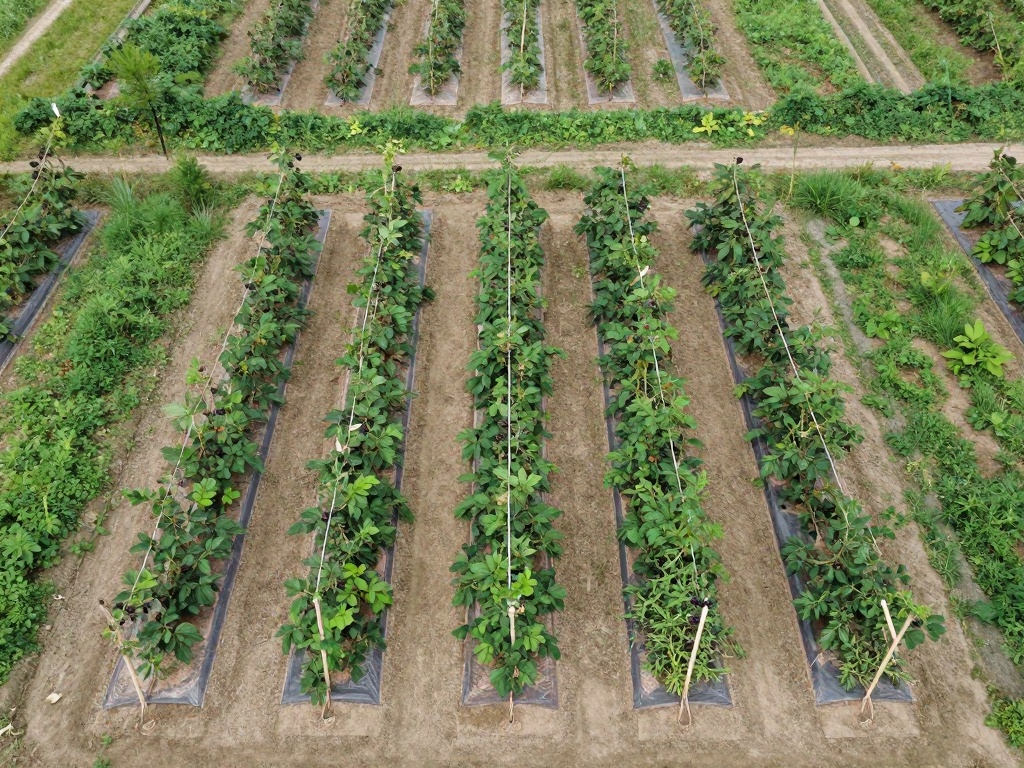
Trellis systems represent the most popular approach for vertical blackberry cultivation. A simple two-wire trellis uses posts installed 15-20 feet apart, with wires positioned at 3 feet and 5 feet heights. Train primocanes to weave or clip along these wires throughout the growing season, creating organized, space-efficient rows.
For small-space applications, consider an A-frame trellis design that positions two angled panels back-to-back. This configuration allows access from both sides, doubling your growing capacity in narrow garden beds. Anchor posts securely, as mature blackberry canes become heavy, particularly when laden with fruit.
2. Espalier Training Against Walls
Espalier techniques, traditionally used for fruit trees, adapt excellently to blackberry cultivation on walls and solid fences. Install horizontal wire supports at 18-inch intervals, then train main canes horizontally along each wire. Side shoots develop vertically, creating a formal, decorative pattern that produces abundantly while occupying minimal ground space.
This method works particularly well against south-facing walls, which absorb and radiate heat to accelerate ripening. The wall also provides natural protection from wind damage and can extend your growing season by several days in cooler climates.
3. Vertical Pillar or Post Method
The vertical pillar approach uses a single sturdy post with ropes or wires running from its top to ground anchors. Canes spiral around the central support as they grow, similar to a fruit tree spindle system. This method works beautifully in containers or raised beds where lateral space remains limited.
Choose posts at least 8 feet tall, with 2-3 inches diameter for adequate strength. Secure the base in concrete if possible, ensuring stability through windstorms and heavy fruit loads. The vertical spiral pattern naturally limits spreading while keeping all growth accessible for maintenance and picking.
4. Container Stack System
Container stacking maximizes vertical space on patios, balconies, and paved areas. Plant single blackberry bushes in large containers (minimum 15 gallons each), then stack these containers on sturdy shelving or steps. Each level receives adequate sunlight, and mobility allows repositioning throughout the season.
Select dwarf or compact blackberry varieties such as 'Baby Cakes' or 'Raspberry Shortcake' for container stacking systems. These varieties reach only 3-4 feet mature height but still produce respectable yields of full-sized, delicious fruit.
5. Archway and Tunnel Configurations
Transform functional supports into garden architecture using archway configurations. Position matching trellises on opposite garden edges, then arch PVC pipes or metal conduit between them to create tunnel structures. Train blackberry canes up one side, across the top, and down the other side.
The tunnel creates a productive walkway beneath, effectively doubling your growing area without expanding your garden footprint. This configuration works exceptionally for small-space gardeners who want both visual appeal and practical productivity. Harvest becomes a pleasant stroll beneath cascading berry-laden canes.
6. Hanging Basket or Elevated Planter System
Trailing or semi-erect blackberry varieties thrive in hanging configurations. Plant compact varieties in substantial hanging baskets (14-16 inches diameter) and suspend from sturdy overhead structures. Canes cascade downward, producing fruit within easy reach for harvesting.
This method eliminates ground-level maintenance entirely—no bending, kneeling, or dealing with soil-borne pests and diseases. Position hanging baskets where they receive at least 6-8 hours of direct sunlight daily. Regular watering becomes essential since container plants dry faster than ground-planted specimens.
7. Obelisk or Tower Garden Approach
Decorative obelisks and garden towers provide architectural interest while supporting productive blackberry growth. The conical shape allows canes to spiral upward naturally, with side shoots producing fruit at multiple heights. Position obelisks in prominent garden locations where they serve as focal points rather than utilitarian supports.
Commercial tower gardens and vertical hydroponic systems also accommodate blackberry plants successfully. These systems deliver nutrients directly to roots, accelerating growth rates and often producing earlier harvests. Initial investment proves higher than DIY options, but yields and convenience frequently justify costs for dedicated small-space gardeners.
Best Blackberry Varieties for Vertical Gardening
Selecting appropriate varieties determines success in vertical gardening applications. Erect varieties with strong, self-supporting canes perform best for trellis and espalier systems. Consider these proven performers for small-space vertical cultivation.
Compact Varieties
- Prime-Ark Freedom: Thornless variety producing large, firm fruit on primocanes. Excellent disease resistance and manageable 4-5 foot height suits containers perfectly.
- Baby Cakes: A dwarf, thornless blackberry reaching only 3-4 feet. Container-friendly and produces midsummer and fall crops on thornless canes.
- Natchez: Early-ripening, erect thornless variety with excellent flavor. Canes reach 5-6 feet and produce abundantly on semi-erect architecture.
Trailing Varieties
- Triple Crown: Thornless trailing variety known for exceptional flavor. Requires more horizontal training space but produces exceptional yields when properly supported.
- Columbia Star: Productive trailing blackberry with excellent fresh eating quality. Suits archway and tunnel configurations where trailing canes can drape naturally.
Essential Care Guidelines for Vertical Blackberry Systems
Soil and Nutrition Requirements
Blackberries thrive in slightly acidic soil with pH between 5.5-6.5. Amend heavy clay soils with compost and coarse sand to improve drainage, as waterlogged roots quickly decline. Container-grown blackberries require quality potting mix with added perlite for adequate aeration.
Feed established plants with balanced organic fertilizer in early spring as new growth emerges. Switch to potassium-rich formulations when flowering begins to support fruit development. Avoid excessive nitrogen, which promotes lush foliage growth at the expense of fruit production.
Pruning for Vertical Systems
Understanding blackberry growth patterns guides effective pruning. Primocanes (first-year canes) produce no fruit but develop roots and foliage. Floricanes (second-year canes) produce fruit on short lateral branches. Train primocanes vertically along your support structure, then prune spent floricanes to ground level after harvest.
For erect varieties, tip-prune primocanes during summer when they reach desired heights, typically 4-6 feet. This encourages lateral branching where next year's fruit develops. Remove weak or damaged canes throughout the season to redirect energy to productive growth.
Watering Considerations
Vertical growing systems and container configurations typically require more frequent watering than traditional garden beds. Mulching around container bases and along trellis bases helps retain moisture. Drip irrigation systems prove particularly valuable, delivering consistent water directly to root zones while minimizing waste.
Blackberries need approximately 1-2 inches of water weekly during growing season, increasing during fruit development and hot weather. Inconsistent watering causes dry, crumbly fruit, while overwatering promotes root rot and fungal issues.
Common Challenges and Solutions
Vertically grown blackberries face unique challenges requiring proactive management. Wind damage poses greater risk for exposed vertical growth; secure young canes to supports promptly and consider windbreaks for exposed locations.
Bird pressure intensifies when fruit concentrates at eye level and above. Install netting over vertical systems before fruit ripens, or harvest slightly early and ripen indoors to protect your crop. Floating row covers during early season also deter insect pests while allowing light penetration.
Harvesting Your Vertical Blackberries
Vertical gardening simplifies harvest significantly. Fruit grows at comfortable heights, eliminating the crouching and searching required by traditional patches. Check plants daily during peak production, as blackberries ripen rapidly once color develops.
Harvest when fruit achieves full black color and detaches easily from the plant. Morning picking typically yields firmest fruit. Handle berries gently to prevent crushing, and process or consume within 1-2 days for optimal freshness.
FAQ
What is the minimum space needed to grow blackberries vertically?
You can successfully grow blackberries in spaces as narrow as 2 feet wide using vertical methods. A single plant in a large container against a wall requires only about 3 square feet of floor space. For multiple plants, allow 3-4 feet between containers or plants along a trellis line.
Can blackberries be grown successfully on a balcony?
Yes, balconies work excellently for vertical blackberry cultivation. Choose compact or dwarf varieties in containers of at least 15 gallons. Ensure your balcony receives 6-8 hours of direct sunlight and position containers where winds won't damage plants. Self-pollinating varieties eliminate the need for multiple plants.
How long before vertical blackberry plants produce fruit?
Most blackberry varieties produce a small harvest the year after planting, with full production beginning in the second or third growing season. Compact/container varieties often fruit earlier, sometimes within the first year. Proper care and suitable varieties accelerate maturity and productivity.
Do vertical blackberry systems require winter protection?
In zones below USDA hardiness zone 6, additional winter protection benefits vertically grown blackberries. Container plants should move to sheltered locations or receivemulch insulation around roots. Trellised plants can be detached, laid horizontal, and covered with straw or fabric for winter protection.
No comments