
April Garden Tasks Checklist: 15 Must-Do Spring Jobs
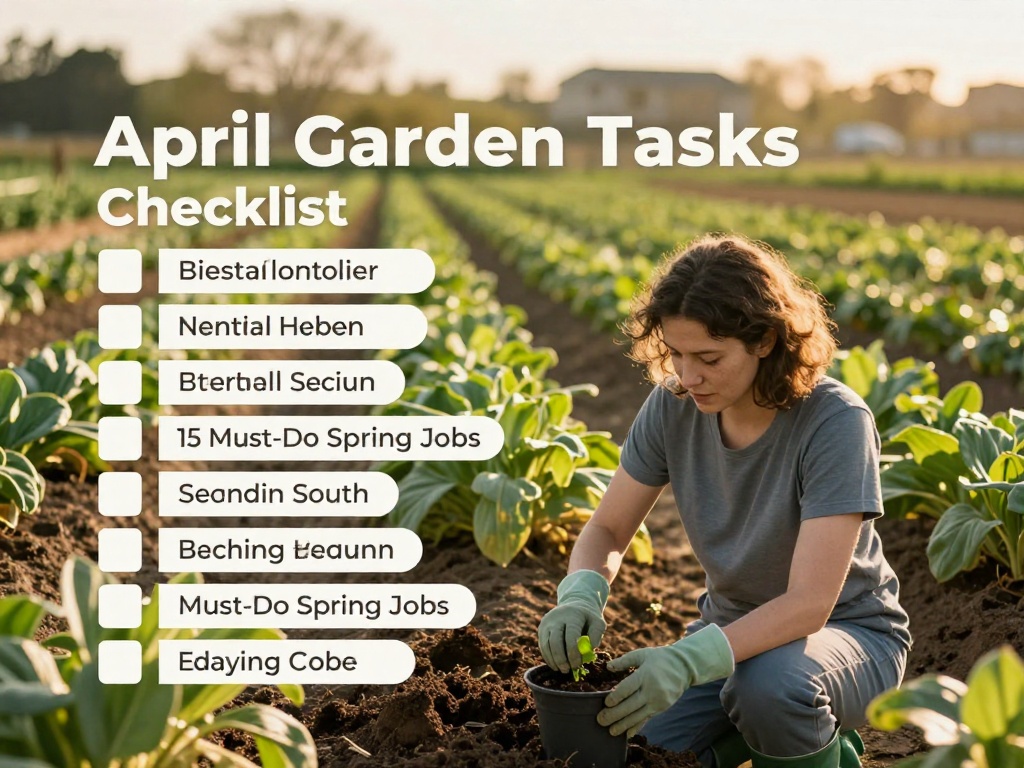
April Garden Tasks Checklist: 15 Must-Do Spring Jobs
April marks the true beginning of the gardening season, and this april garden tasks checklist will help you prioritize the most important jobs. As soil temperatures rise and daylight increases, your garden awakens with incredible potential. Following this comprehensive checklist ensures you tackle the right tasks at the right time for maximum success.
Prepare and Improve Your Garden Soil
Healthy soil produces healthy plants, making soil preparation your top priority this month. Begin by testing your soil pH if you haven't done so recently. Most vegetables thrive in slightly acidic to neutral soil with a pH between 6.0 and 7.0.
Add Compost and Organic Matter
Spread a 2-3 inch layer of well-rotted compost over your garden beds. Work it gently into the top 4-6 inches of soil without overworking it. This improves drainage in clay soils and water retention in sandy soils while introducing beneficial microorganisms.
Apply Mulch to Permanent Beds
Mulch around perennial plants, fruit trees, and shrub borders. A 3-4 inch layer of organic mulch suppresses weeds, retains moisture, and gradually enriches the soil as it decomposes. Keep mulch away from plant stems to prevent rot.
Start Seeds Indoors and Outdoors
April offers perfect conditions for both indoor seed starting and direct outdoor sowing. Knowing what to plant when makes all the difference between success and disappointment.
Indoor Seed Starting
If you haven't already, sow seeds of tomatoes, peppers, eggplant, and herbs in seed trays under grow lights. Keep the soil consistently moist and maintain temperatures between 65-75°F for optimal germination. Harden off seedlings gradually over 7-10 days before transplanting.
Direct Sow Cool-Season Crops
As soon as soil can be worked, plant peas, lettuce, spinach, radishes, and carrots directly in the garden. These cool-season crops tolerate light frosts and mature quickly. Succession plant every two weeks for continuous harvests through late spring.
Transplant Hardy Seedlings
Move hardened-off broccoli, cabbage, cauliflower, and onion seedlings to the garden. Plant them slightly deeper than they grew in their containers to develop stronger stems. Water thoroughly after planting and protect from late frosts with row covers.
Care for Flowering Plants and Ornamentals
Spring-blooming flowers need attention now to ensure spectacular displays. Your ornamental garden requires specific care during this active growth period.
Prune Spring-Flowering Shrubs
Prune spring-flowering shrubs like forsythia and magnolia only after they finish blooming. Remove dead, damaged, or crossing branches to improve air circulation. Avoid heavy pruning of shrubs that bloom on old wood, as you risk removing this year's flower buds.
Divide Perennials
Divide overgrown perennials such as hostas, daylilies, and ornamental grasses. Dig up the entire clump, split it into sections with a sharp spade, and replant the healthiest divisions. Water well after replanting and provide afternoon shade for the first week.
Plant Summer-Blooming Bulbs
Plant dahlias, gladiolus, lilies, and cannas now that frost danger has passed. Set bulbs at twice their depth with the pointed end facing upward. Add bone meal to the planting hole for stronger root development and bigger blooms.
Maintain Lawn Health
Your lawn deserves attention in April as it emerges from winter dormancy. Proper care now sets the foundation for a lush, weed-free lawn all season.
Apply Pre-Emergent Herbicides
Apply pre-emergent herbicides to prevent crabgrass and other weed seeds from germinating. Timing is critical—apply when soil temperatures reach 55°F consistently. Do not apply in areas where you plan to seed new grass, as the herbicide will prevent desired grass seed germination.
Overseed Thin Areas
overseed thin or bare patches in your lawn with appropriate grass seed for your region. Scratch the soil surface lightly, broadcast seed, and keep consistently moist until germination. Avoid using pre-emergent herbicides in these areas for at least six weeks.
Manage Pests and Diseases Early
Preventive pest management in April saves countless problems later in the season. Catching issues early means easier control and healthier plants.
Apply Horticultural Oil
Spray horticultural oil on fruit trees, ornamental trees, and shrubs before buds break. This smothering oil controls overwintering insects including aphids, mites, scale, and their eggs without harming beneficial insects that haven't emerged yet.
Set Up Slug Barriers
Protect emerging seedlings and tender plants from slugs and snails. Use copper tape around containers, diatomaceous earth around beds, or beer traps for organic control. Check traps daily and remove captured slugs promptly.
Maintain Garden Tools and Equipment
Well-maintained tools make garden work easier and more efficient. April is the perfect time to service equipment before the busy growing season.
Sharpen and Oil Blades
Sharpen all cutting tools including pruners, shears, and mower blades. Clean blades with rubbing alcohol between plants to prevent disease spread. Oil all moving parts and replace any worn or damaged components before they cause problems.
Service Power Equipment
Change oil, replace spark plugs, and clean air filters on lawn mowers and tillers. Check belts for wear and ensure all safety features function properly. Well-maintained equipment starts reliably and operates more efficiently.
FAQ
What vegetables can I plant in April?
April is ideal for planting cool-season crops like peas, lettuce, spinach, radishes, carrots, and broccoli. You can also start warm-season crops like tomatoes and peppers indoors, transplanting them after all frost danger passes.
When should I apply fertilizer to my garden in April?
Apply balanced fertilizer to garden beds 2-3 weeks before planting. Use slow-release organic fertilizers for steady nutrition throughout the growing season. Avoid high-nitrogen fertilizers on flowering plants as they promote foliage over blooms.
How do I protect my garden from late spring frosts?
Monitor weather forecasts closely and be prepared to cover tender plants with row covers, old sheets, or frost cloth. Water plants before expected frosts, as moist soil holds heat better than dry soil. Remove covers during the day to allow air circulation and sunlight.
What is the most important April garden task?
Soil preparation ranks as the most critical April garden task. Adding compost and amendments now creates the foundation for everything you plant. No amount of later care compensates for poor soil conditions, making this investment essential for long-term garden success.
No comments