
Gypsum Application for Compacted Garden Soil: 5 Proven 2024 Steps
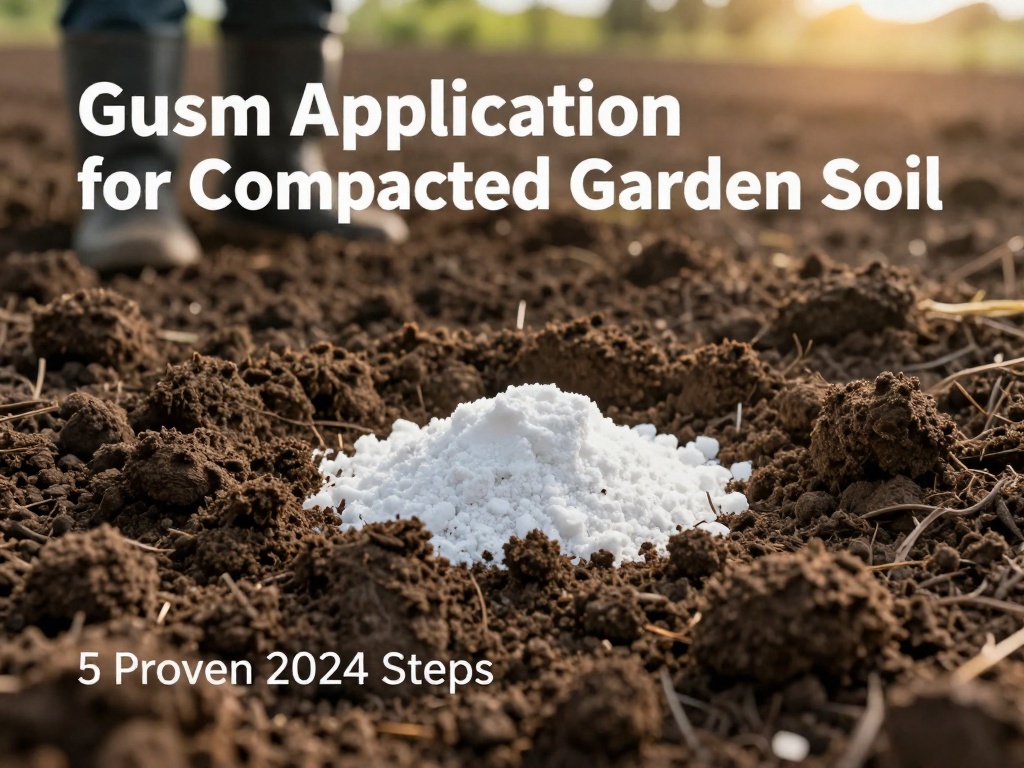
Gypsum Application for Compacted Garden Soil: 5 Proven 2024 Steps
Compacted garden soil is one of the most widespread issues home gardeners and small-scale farmers face, restricting root growth, blocking water infiltration, and limiting nutrient uptake for vegetables, flowers, and shrubs. Correct gypsum application for compacted garden soil addresses these issues by breaking up tightly packed clay particles, improving soil structure without altering core pH levels. Unlike many common soil amendments, gypsum works for most plant types, making it a versatile solution for poorly draining lawns and raised garden beds.
What Causes Compacted Soil in Home Gardens?
Soil compaction occurs when soil particles are pressed tightly together, reducing the pore space that holds air and water for plant use. Common causes include heavy foot traffic, tilling or working with wet soil, heavy lawn equipment use, and high natural clay content in native soil.
The USDA confirms that clay soils are 10 times more likely to develop persistent compaction than loamy or sandy soils, leaving millions of gardeners searching for long-term, low-effort fixes to restore growing conditions. Compaction can reduce vegetable yields by up to 40% in severe cases, making it a high-priority issue for productive gardens.
Why Gypsum Is the Ideal Fix for Compacted Soil
The Science Behind Gypsum’s Soil-Benefiting Properties
Gypsum, or calcium sulfate, works by exchanging calcium ions with clay particles bound together by excess sodium. This exchange loosens tightly packed clay particles, creating larger pore spaces that let roots, water, and air move freely through the root zone. The University of Minnesota Extension confirms gypsum does not alter soil pH, so it is safe for acid-loving plants like blueberries and azaleas that would be harmed by lime or other alkaline amendments.
Key Evidence-Based Benefits of Gypsum for Gardens
- Improves water infiltration by up to 50% in heavy clay soils, per Alabama A&M University field research
- Reduces nutrient runoff that can harm local watersheds and aquatic ecosystems
- Boosts root depth by 30% for most common vegetable crops, leading to higher annual yields
- Prevents soil crusting that blocks seed germination in newly planted beds
5 Proven Steps for Correct 2024 Gypsum Application
Step 1: Test Your Soil to Confirm Need for Gypsum
Before applying any amendment, complete a professional soil test through your local cooperative extension to confirm high clay content and excess sodium that would benefit from gypsum. You can also run a home percolation test: dig a 6-inch deep hole, fill it with water, and if it takes more than 4 hours to drain fully, you likely have compacted soil that can be improved with gypsum. Gypsum is not effective for sandy soils, which rarely suffer from clay-related compaction.
Step 2: Calculate the Right Application Rate
For most home garden beds with mild to moderate compaction, the standard application rate is 20 to 30 pounds of gypsum per 1,000 square feet of soil. For severe compaction, you can double that rate for your first application, with maintenance applications of 10 pounds per 1,000 square feet every 2 to 3 years. Never apply more than 50 pounds per 1,000 square feet in a single year, as excess calcium can disrupt uptake of other critical nutrients like magnesium.
Step 3: Prepare the Application Area
Clear the target area of any debris, weeds, or large rocks before spreading gypsum. If you are amending an existing, planted garden bed, avoid deep tilling, as this can damage mature plant roots. For new, unplanted garden beds, till the top 6 to 8 inches of soil to create a loose base that allows gypsum to integrate fully into the root zone.
Step 4: Spread and Activate Gypsum
Spread granular gypsum evenly across the soil surface using a broadcast spreader for large lawns or a hand scoop for small raised beds. Water the area thoroughly after application to help the gypsum dissolve and move into the top layer of soil. Gypsum begins working within 2 to 3 weeks, with full soil structure improvements visible after 3 months.
Step 5: Maintain Long-Term Soil Structure
To prevent soil from re-compacting after your gypsum application, install stepping stones to avoid walking on garden beds, add 2 inches of compost annually to support organic soil structure, and avoid tilling wet soil. Test your soil every 3 years to determine if you need a follow-up gypsum application to maintain healthy pore space.
Frequently Asked Questions
Is gypsum safe for use in certified organic gardens?
Yes, most horticultural gypsum products are listed by the Organic Materials Review Institute (OMRI) as approved for organic use. Gypsum is a naturally occurring mineral that does not introduce synthetic chemicals or harmful additives to your garden soil.
Can I apply gypsum to potted plants with compacted soil?
You can apply a small amount of gypsum to potted plants, but it is rarely necessary. Most potting mixes are formulated to avoid clay-related compaction, and excess gypsum in the confined space of a pot can cause rapid nutrient imbalances that harm potted plants.
Will gypsum fix all types of soil compaction?
Gypsum only fixes compaction caused by clay particles binding together or excess sodium in soil. It will not resolve compaction caused by years of heavy vehicle traffic or construction-related soil compression, which requires deep tilling and addition of large volumes of organic matter to repair.
No comments