
2024 Guide to Strawberry Runner Propagation for Backyard Gardens
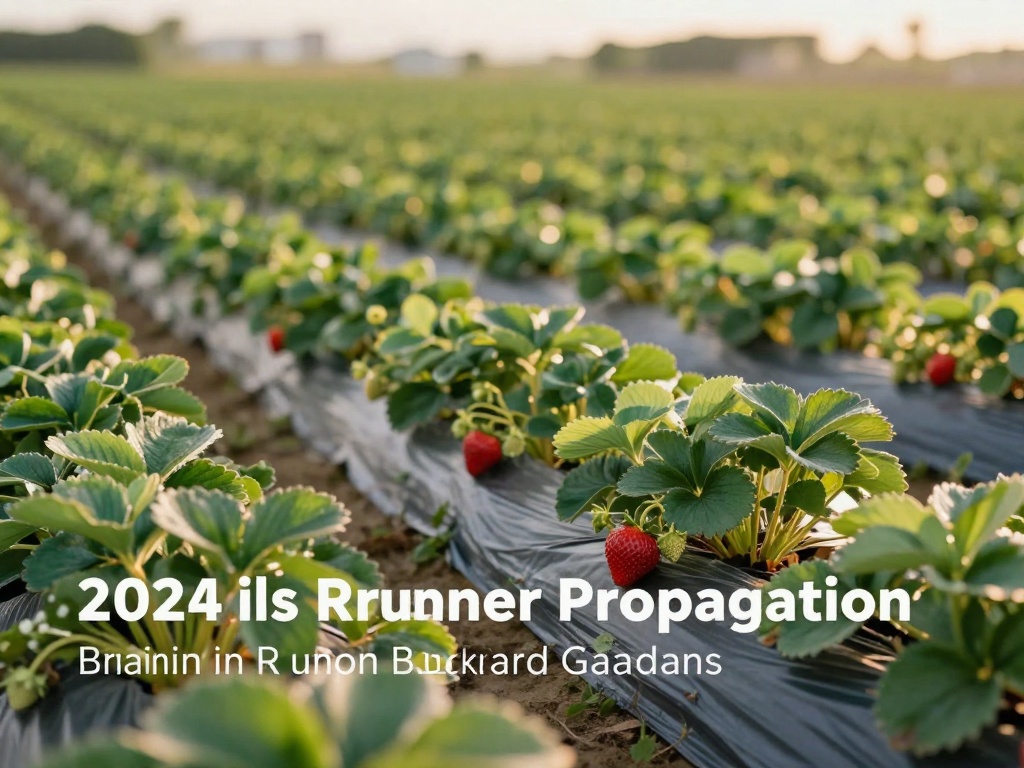
2024 Guide to Strawberry Runner Propagation for Backyard Gardens
Strawberry runner propagation for backyard gardens is one of the most cost-effective, simple ways to expand your fruit patch without buying new starter plants each year. Most June-bearing and everbearing strawberry varieties produce long, trailing stems called runners that grow new clone plants at their nodes, identical to the parent. A 2023 study from the University of Illinois Extension found that runner-propagated strawberries produce 30% more fruit in their first year than store-bought transplants, making the method both low-cost and high-yield.
What Are Strawberry Runners, and Why Do They Grow?
Runners, also called stolons, are the strawberry plant’s natural way to reproduce asexually. When a mature strawberry plant (at least one year old) has enough excess energy, it sends out these thin, vine-like stems that root wherever they touch moist, nutrient-rich soil. Each runner can grow 1-3 new plantlets, all genetically identical to the parent, which means you can preserve the traits of a particularly high-yield or sweet strawberry plant year after year.
Step-by-Step Guide to Successful Strawberry Runner Propagation
1. Time Your Propagation Correctly
The best time to propagate strawberry runners is mid-summer, 4-6 weeks before the first fall frost in your USDA hardiness zone. This window gives new plantlets enough time to develop strong root systems before winter dormancy. Avoid propagating runners in spring, as this can divert energy away from the parent plant’s fruit production that season.
2. Select Only Healthy Runners
Only choose runners from parent plants that produced large, disease-free berries in the current growing season. Avoid runners from plants that showed signs of powdery mildew, root rot, or pest damage, as these issues can pass to the new clone plants. Stick to 3-5 runners per parent plant to avoid draining the parent’s energy reserves.
3. Root Runners in Containers or Garden Soil
You have two simple rooting methods for backyard gardens. The first is to place a 4-inch pot filled with potting mix beneath each plantlet, then secure the runner to the soil with a small landscape pin or stone to keep it stable. Keep the potting soil moist, and roots will develop in 2-3 weeks. Alternatively, root runners directly in your prepared strawberry bed, spacing new plantlets 12 inches apart to allow for mature growth.
4. Separate New Plantlets From the Parent
Once the new plantlet has developed a root system at least 2 inches long (test by gently tugging the plant to check if it’s anchored), cut the runner stem connecting it to the parent plant. Leave 1 inch of stem attached to the new plant to avoid damaging its growth nodes. Water the new transplant deeply after separation to help it adjust to independent growth.
Common Mistakes to Avoid
Even beginner gardeners can master runner propagation, but a few common mistakes can derail your success. First, over-propagating from a single parent plant: more than 5 runners per parent will reduce both the parent’s and new plantlets’ fruit production the following year. Second, planting new plantlets too deep: burying the strawberry’s crown will cause rot, so keep the crown just above the soil line. Third, failing to water new transplants regularly during their first month of growth, as their shallow root systems dry out quickly.
Frequently Asked Questions
Can I propagate everbearing and day-neutral strawberries from runners?
Yes, though everbearing and day-neutral varieties produce fewer runners than traditional June-bearing types. You can still propagate the runners they do produce, but limit each parent to 2-3 runners to avoid cutting into their year-round fruit production.
How long does it take for a new runner plant to produce strawberries?
Most runner-propagated plants will produce a small harvest of berries the following spring, about 9-12 months after propagation. If you want to prioritize strong root growth, you can pinch off any flowers that form in the first spring to let the plant establish fully before producing fruit.
Can I store strawberry runner plants over winter?
Yes, if you live in a USDA zone with winter temperatures below 20°F, you can grow runner plantlets in containers and bring them indoors to an unheated garage or cold frame for the winter. Keep the soil slightly moist, and transplant them back into your garden in early spring as soon as the soil thaws.
No comments