
Organic Basil Seed Starting: 2026 Guide for Beginners
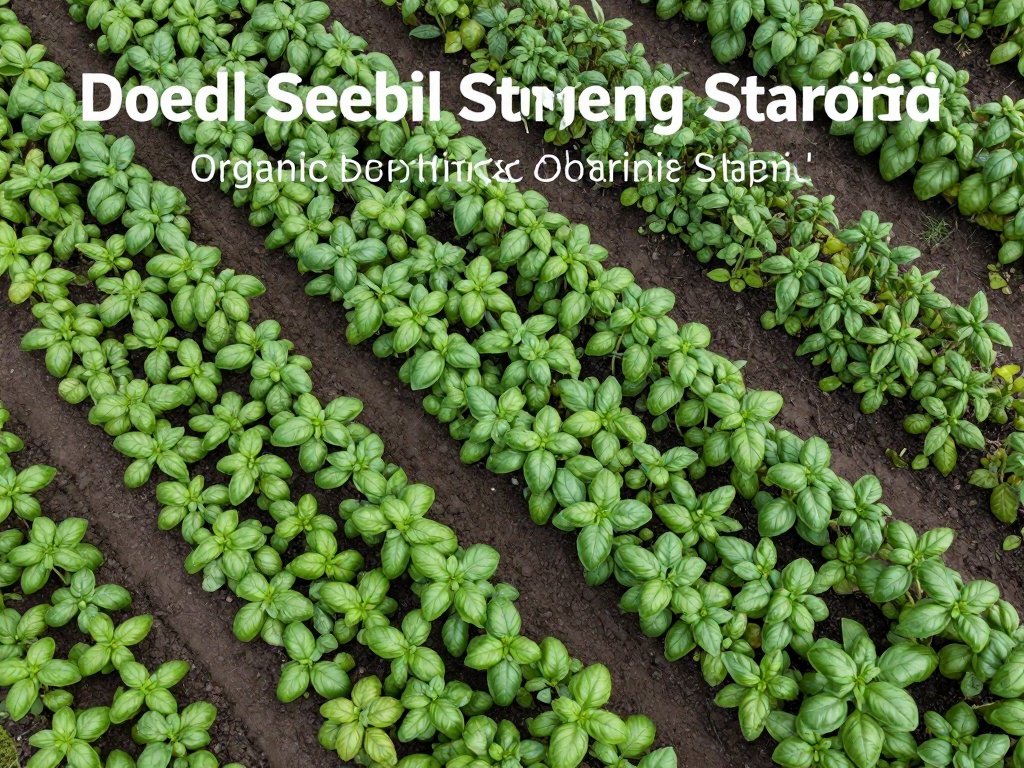
Organic Basil Seed Starting: 2026 Guide for Beginners
Starting basil from seeds using an organic method is one of the most rewarding techniques for home gardeners. This comprehensive guide walks you through every step of the organic basil seed starting process, ensuring you achieve maximum yield without synthetic chemicals. Whether you have a small balcony, container garden, or raised beds, you can successfully grow aromatic basil plants from scratch.
Why Choose Organic Basil Seed Starting?
Organic seed starting prioritizes natural approaches that support soil health and beneficial microorganisms. By avoiding synthetic fertilizers and pesticides, you create a sustainable growing environment that produces healthier, more flavorful basil. The organic method also benefits the surrounding ecosystem while giving you complete control over what enters your food chain.
Benefits of Starting Basil from Seeds
- Greater variety selection compared to nursery transplants
- Cost-effective way to grow multiple plants
- Stronger root systems develop from an early stage
- Complete visibility into the growing process
- Satisfaction of nurturing plants from germination to harvest
Understanding Basil Seed Characteristics
Basil seeds are small, dark, and have a unique mucilaginous coating that becomes gel-like when wet. This natural coating helps the seeds retain moisture during germination. Sweet basil remains the most popular variety, though Thai basil, lemon basil, and purple basil offer exciting alternatives for adventurous gardeners.
Essential Materials for Organic Seed Starting
Gathering the right materials before beginning ensures smooth implementation of your organic basil seed starting method. Quality inputs make a significant difference in germination rates and seedling vigor.
Organic Seed Starting Mix
Choose a certified organic seed starting mix that provides excellent drainage while retaining adequate moisture. Avoid garden soil alone, as it may harbor pathogens and lacks proper structure for delicate seedlings. A blend containing coconut coir, perlite, and organic compost creates ideal conditions for basil germination.
Containers and Trays
Select shallow containers with drainage holes to prevent waterlogging. Biodegradable pots made from peat or recycled paper work exceptionally well for organic systems, as they reduce transplant shock when seedlings move to their final location. Cell trays with individual compartments promote stronger root development through air pruning.
Organic Amendments and Supplements
Consider having organic worm castings, kelp meal, and mycorrhizal fungi on hand for gentle nutrition and beneficial microorganism support. These additions enhance soil biology without overwhelming young seedlings with excessive nitrogen.
Step-by-Step Organic Basil Seed Starting Process
Following a systematic approach increases your success rate when implementing the organic basil seed starting method. Each stage requires attention to moisture, temperature, and light requirements.
Timing Your Seed Starting
Begin basil seeds indoors approximately six to eight weeks before the last expected frost date in your region. Basil thrives in warm conditions, so wait until soil temperatures reach at least 70°F (21°C) before transplanting outdoors. For continuous harvest, consider succession planting every three to four weeks throughout the growing season.
Preparing Your Seed Starting Mix
Moisten your organic seed starting mix thoroughly before filling containers. The mixture should feel damp but not waterlogged. Fill containers to approximately three-quarters capacity, leaving space for covering seeds. Pre-warming the mix by placing containers near a heat source accelerates germination once seeds are planted.
Planting Basil Seeds Properly
Scatter two to three seeds per cell or pot, spacing them evenly across the soil surface. Basil seeds require light for optimal germination, so press them gently into the mix without covering deeply—approximately one-eighth inch depth suffices. Mist the surface with room-temperature water using a fine spray bottle to avoid disturbing seeds.
Creating Optimal Germination Conditions
Cover containers with a clear plastic dome or plastic wrap to create a humid microenvironment. Place containers on a heat mat set to 70-75°F (21-24°C) for fastest germination. Most basil varieties germinate within five to ten days under these conditions. Remove covers immediately once sprouts emerge to prevent fungal issues.
Providing Proper Light for Seedlings
Seedlings require twelve to sixteen hours of bright, indirect light daily. Position grow lights six inches above seedlings, adjusting as plants develop. Without adequate light, seedlings become leggy and weak. Natural sunlight from a south-facing window works well, but supplemental lighting ensures consistent growth during shorter winter days.
Caring for Organic Basil Seedlings
Proper seedling care determines whether your organic basil seed starting method produces robust, productive plants or stunted specimens. Focus on gentle nutrition and consistent moisture throughout this vulnerable growth stage.
Watering Techniques
Water seedlings from below by placing containers in a tray of water and allowing absorption through drainage holes. This method prevents disturbance to delicate roots and discourages fungal growth on leaves. Allow the soil surface to dry slightly between waterings while maintaining consistent moisture in the root zone.
Organic Nutrition for Young Seedlings
Begin supplemental feeding after the first true leaves appear, typically two to three weeks after germination. Apply diluted organic liquid fertilizer such as fish emulsion or compost tea at quarter strength. Over-fertilization damages young roots, so err on the side of caution with gentle applications every seven to ten days.
Thinning and Transplanting
Once seedlings develop their second set of true leaves, thin to one strong plant per cell by snipping weaker seedlings at soil level with scissors. This prevents root competition and ensures adequate airflow. When roots fill the container and daytime temperatures consistently exceed 60°F (16°C), transplant seedlings to their permanent location.
Common Mistakes in Organic Basil Seed Starting
Avoiding these frequent errors significantly improves your success rate with the organic basil seed starting method and produces healthier plants overall.
Overwatering Issues
Excessive moisture represents the most common cause of basil seedling failure. Waterlogged conditions promote damping-off disease and root rot. Ensure all containers have adequate drainage and resist the temptation to keep soil constantly saturated.
Temperature Fluctuations
Basil seedlings suffer in cold conditions and may yellow or stall entirely if exposed to temperatures below 55°F (13°C). Keep seedlings away from drafty windows and cold surfaces during early growth stages.
Insufficient Light Exposure
Weak, pale, and elongated seedlings indicate inadequate lighting. Without sufficient light energy, plants cannot develop the robust structure needed for productive growth once transplanted outdoors.
Transplanting and Hardening Off
Proper transition from indoor starting conditions to outdoor growing prepares seedlings for environmental challenges while minimizing transplant shock in your organic garden system.
Hardening Off Process
Begin hardening off seedlings one to two weeks before transplanting by gradually exposing them to outdoor conditions. Start with one to two hours of filtered sunlight exposure, increasing duration and intensity daily. Bring seedlings indoors overnight if temperatures drop below 60°F (16°C).
Final Transplanting Steps
Choose a location receiving at least six to eight hours of direct sunlight daily. Dig holes slightly larger than root balls and add a handful of organic compost to each planting hole. Remove seedlings gently from containers, preserving root integrity, and plant at the same depth as they grew previously. Water thoroughly after transplanting and maintain consistent moisture during establishment.
Harvesting Your Organic Basil
Regular harvesting encourages bushier growth and extends the productive life of your basil plants. Begin harvesting once plants develop at least six sets of true leaves, typically six to eight weeks after transplanting outdoors.
Pinching or cutting stems above a leaf node promotes branching and prevents early flowering. Harvest in the morning when essential oils concentrate in leaves for maximum flavor. Regular harvesting through the growing season ensures continuous production until fall frost arrives.
FAQ
What is the best organic soil mix for starting basil seeds?
The ideal organic mix combines equal parts coconut coir, perlite, and mature compost with a handful of organic worm castings. This blend provides excellent drainage, moisture retention, and gentle nutrition for emerging seedlings.
How long does it take for basil seeds to germinate using the organic method?
Under optimal conditions with consistent warmth (70-75°F), basil seeds typically germinate within five to ten days. Using a heat mat and maintaining humidity can accelerate germination by two to three days compared to room-temperature conditions.
Can I start basil seeds directly outdoors instead of indoors?
Yes, you can sow basil directly in garden beds or containers after all danger of frost passes and soil reaches 70°F. However, indoor starting extends your harvest season by six to eight weeks and provides more control over germination conditions.
What common mistakes should beginners avoid with organic basil seed starting?
Avoid overwatering, planting seeds too deeply, using cold temperatures, and providing insufficient light. Also resist the urge to fertilize too early—wait until seedlings develop their first true leaves before applying any nutrition.
How much does it cost to start basil from seeds organically?
Starting basil organically costs approximately $15-30 for initial setup including seeds, organic mix, containers, and basic tools. This investment produces dozens of plants compared to purchasing individual transplants at $3-5 each.
When should I transplant basil seedlings outdoors?
Transplant seedlings outdoors two to three weeks after the last expected frost when nighttime temperatures consistently exceed 50°F and soil has warmed to at least 60°F. Seedlings should have two to three sets of true leaves and appear stocky and healthy before moving outside.
How often should I water basil seedlings in containers?
Water when the top quarter-inch of soil feels dry, typically every two to three days depending on temperature and humidity. In small containers, daily monitoring may be necessary during hot weather. Always water thoroughly until excess drains from bottom holes.
What is the timeline from seed to harvest for organic basil?
Expect approximately 60-90 days from seed planting to first harvest when growing basil organically. Indoor seed starting requires 6-8 weeks, followed by 2-3 weeks of hardening off and transplant establishment before regular harvesting begins.
No comments