
Drone Crop Monitoring: 10 Ways Technology Transforms Farming
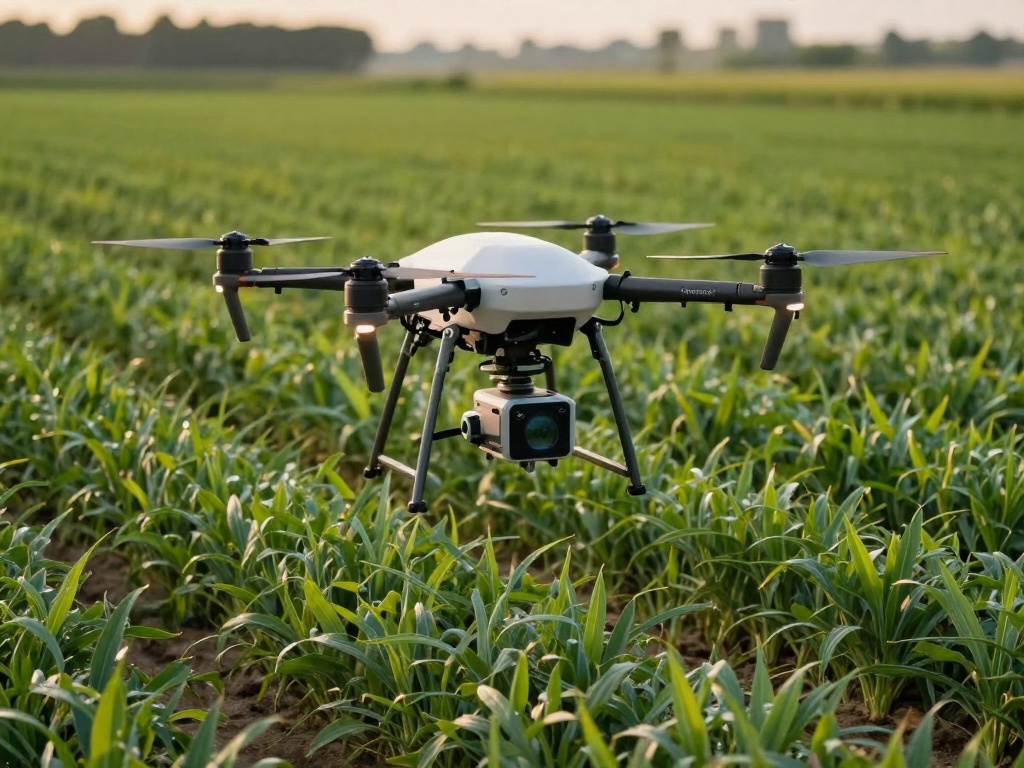
Drone Crop Monitoring: 10 Ways Technology Transforms Farming
The agricultural industry is experiencing a remarkable transformation through drone crop monitoring agriculture technology. Modern farmers are increasingly adopting these unmanned aerial systems to revolutionize how they manage their fields, monitor crop health, and optimize yields. This comprehensive guide explores ten powerful ways drone technology is reshaping modern agriculture and helping farmers achieve unprecedented levels of efficiency and productivity.
What Is Drone Crop Monitoring in Agriculture?
Drone crop monitoring agriculture technology involves using unmanned aerial vehicles (UAVs) equipped with advanced sensors and cameras to assess agricultural land from above. These flying units capture high-resolution imagery that reveals information invisible to the naked eye, enabling farmers to detect problems early and make data-driven decisions. The technology combines aerial robotics, multispectral imaging, and artificial intelligence to deliver actionable insights about every square meter of farmland.
The Evolution of Aerial Crop Surveillance
Traditional crop monitoring required farmers to physically walk their fields, a time-consuming and often inaccurate method. Modern drone systems represent a quantum leap forward, providing comprehensive field coverage in a fraction of the time while delivering exponentially more detailed information about crop conditions.
1. Early Detection of Crop Diseases and Pests
One of the most valuable applications of drone crop monitoring agriculture technology is the early identification of plant diseases and pest infestations. Multispectral cameras mounted on agricultural drones can detect subtle color changes in leaves that indicate stress, often before visible symptoms appear on the plant. By identifying these issues weeks earlier than traditional scouting methods, farmers can apply targeted treatments that save crops and reduce pesticide costs significantly.
2. Precision Nutrient Management
Drone-generated field maps reveal exactly which areas of a crop require additional nutrients or fertilizer. Instead of applying uniform treatments across entire fields, farmers can use variable rate application technology to deliver precise amounts of nutrients where needed most. This approach reduces fertilizer waste by up to 30% while ensuring optimal nutrition reaches every plant, resulting in healthier crops and improved environmental sustainability.
3. Irrigation Monitoring and Water Management
Thermal imaging sensors on agricultural drones measure soil moisture levels and identify areas experiencing water stress. Drone crop monitoring agriculture technology enables farmers to create detailed irrigation maps showing moisture distribution across their fields. This information allows for optimized irrigation scheduling and the quick identification of broken sprinkler heads or irrigation system malfunctions that might otherwise go unnoticed for extended periods.
4. Crop Health Analysis Through Multispectral Imaging
Advanced drones capture images across multiple spectral bands, including visible light, near-infrared, and thermal wavelengths. By analyzing these different spectrums, the technology generates vegetation indices like NDVI (Normalized Difference Vegetation Index) that provide quantitative measurements of crop health. Healthy plants reflect near-infrared light differently than stressed or diseased plants, allowing farmers to pinpoint problem areas with remarkable accuracy.
5. Accurate Yield Estimation and Prediction
Modern agricultural drones equipped with sophisticated sensors can estimate crop yields before harvest with impressive accuracy. By analyzing plant density, canopy coverage, and health indicators throughout the growing season, drone crop monitoring agriculture technology provides farmers with predictive models that help with marketing decisions, logistics planning, and resource allocation. This capability proves particularly valuable for large-scale commercial operations where accurate yield forecasting directly impacts profitability.
6. Weed Mapping and Targeted Herbicide Application
Weed detection represents another area where drone technology delivers significant advantages. High-resolution imagery captured during drone crop monitoring agriculture technology sessions identifies weed species and maps their distribution across fields. This information enables precision herbicide application that targets only affected areas, reducing overall chemical usage while improving weed control effectiveness and protecting beneficial insects in non-infested zones.
7. Planting Optimization and Seeding Maps
Some advanced agricultural drones can create detailed planting maps optimized for specific field conditions. Drone crop monitoring agriculture technology helps determine optimal plant spacing, seeding rates, and variety selection based on soil type, topography, and historical performance data. Variable rate seeding ensures each area of the field receives appropriate plant density, maximizing resource utilization and overall productivity.
8. Storm Damage Assessment and Insurance Documentation
Following severe weather events, agricultural drones provide rapid damage assessment capabilities that traditional methods cannot match. Farmers can quickly survey hundreds of acres to document crop damage for insurance claims, often completing assessments in hours rather than days. Drone-captured imagery provides objective, timestamped evidence of field conditions that insurance adjusters can review remotely, streamlining the claims process and ensuring fair settlements.
9. Livestock Monitoring and Management
Beyond crop monitoring, agricultural drones increasingly serve livestock operations by providing aerial surveillance of cattle, sheep, and other animals. Thermal imaging can locate missing animals, identify sick livestock showing elevated body temperatures, and monitor herd movements across large pastures. This capability reduces labor requirements for livestock monitoring while improving animal welfare through more frequent observation.
10. Integration with Farm Management Software
Modern drone crop monitoring agriculture technology integrates seamlessly with farm management information systems (FMIS). Data captured by drones automatically uploads to cloud platforms where artificial intelligence algorithms analyze the information and generate actionable recommendations. This integration creates comprehensive digital twins of farming operations, enabling historical analysis, trend identification, and sophisticated planning that was previously impossible for most agricultural operations.
The Financial Benefits of Drone Adoption
While initial investment in drone crop monitoring agriculture technology requires capital expenditure, the return on investment proves compelling for most operations. Farmers typically report yield improvements of 10-30% after implementing drone-based monitoring programs. Combined with reductions in input costs through precision application and early problem detection, many operations achieve full return on their drone investment within two to three growing seasons.
Getting Started with Agricultural Drones
Farmers interested in adopting drone crop monitoring agriculture technology should begin by assessing their specific needs and operation scale. Entry-level drone systems suitable for smaller farms start around $1,500-$3,000, while enterprise-grade solutions with advanced sensors can exceed $25,000. Many agricultural cooperatives and equipment dealers now offer drone services on a per-acre basis, allowing farmers to experience the technology benefits before committing to ownership.
Frequently Asked Questions
How accurate is drone crop monitoring for detecting crop problems?
Modern agricultural drones can achieve detection accuracy exceeding 90% for common crop diseases and pest infestations when properly calibrated with appropriate sensors. The key lies in using the right sensor types for specific monitoring objectives and establishing baseline readings for comparison throughout the growing season.
What training is required to operate agricultural drones?
Commercial drone operations in agriculture may require Federal Aviation Administration (FAA) certification depending on your location and intended use. Many drone manufacturers offer comprehensive training programs, and agricultural extension services in numerous states provide educational resources for farmers learning to implement this technology on their operations.
How often should farmers conduct drone crop monitoring?
The ideal monitoring frequency depends on crop type, growth stage, and identified risk factors. Most farmers benefit from weekly or bi-weekly flights during critical growth periods, increasing to more frequent monitoring when problems are detected or during high-stress conditions like drought or extreme weather events.
No comments