
Barley Overseeding for Winter Pasture Improvement: 2024 Guide to Boost Yields
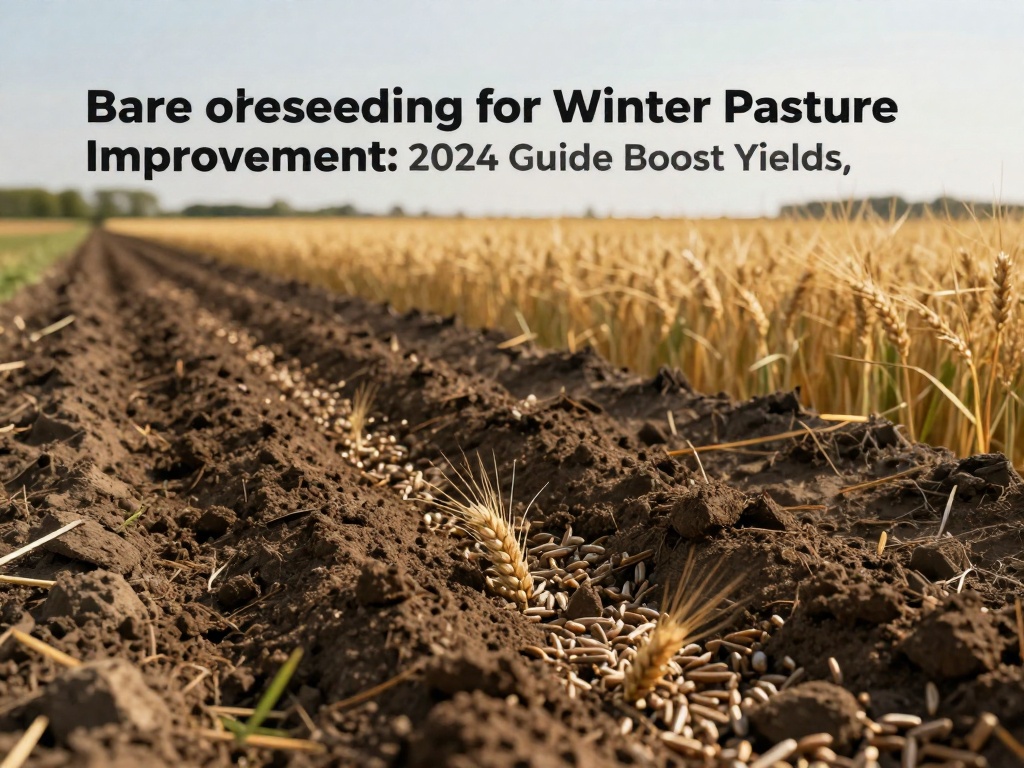
Barley Overseeding for Winter Pasture Improvement: 2024 Guide to Boost Yields
Barley overseeding for winter pasture improvement is a proven agricultural strategy that transforms dormant, low-yield pastures into nutrient-dense forage sources for grazing livestock. Data from the University of Nebraska-Lincoln Extension shows properly executed overseeding adds 1.5 to 2 tons of dry forage per acre by late winter, cutting winter feed costs by up to 30% for small and mid-sized farms. This practice works across most temperate U.S. regions, extending grazing seasons and reducing reliance on stored hay and grain supplements.
Core Benefits of Overseeding Barley for Winter Pastures
Exceptional Cold Tolerance
Barley survives lower temperatures than many common winter forage crops, including annual ryegrass, withstanding hard frosts down to 18°F once established. This makes it ideal for northern regions where early winter cold snaps can wipe out less resilient forage stands. It also resumes growth earlier in the spring, providing forage when pastures are still transitioning out of dormancy.
Fast Establishment
Barley germinates in just 3 to 5 days under optimal soil moisture and temperature conditions, far faster than wheat or oats. This fast growth lets it outcompete winter weeds, reducing the need for herbicide applications. It also creates a dense ground cover that prevents soil erosion over the winter months, protecting long-term pasture health.
High Nutritional Value for Livestock
Overseeded barley delivers crude protein levels of 12 to 16% in late winter, meeting the nutritional needs of most beef cattle, sheep, and goat herds. It also has high digestible energy levels, supporting weight gain and reproductive health in grazing livestock, per Penn State Extension forage analysis data.
Step-by-Step Guide to Successful Barley Overseeding
Time Seeding For Your Local Climate
Plant barley 4 to 6 weeks before your region’s average first frost date to give it enough time to establish a strong root system. For most midwestern U.S. states, that means seeding between mid-September and early October, while southern regions can seed through late October. Seeding at the right time reduces winter kill risk by more than 70%, per Ohio State University research.
Prepare the Existing Pasture Stand
Graze existing warm-season pasture down to 3 to 4 inches before seeding to give barley seeds access to sunlight and direct soil contact. You can also lightly harrow the pasture to create small furrows, which improves seed germination rates by up to 40% compared to broadcasting seed on undisturbed ground.
Follow Recommended Seeding Rates
Penn State Extension recommends seeding barley at a rate of 60 to 90 pounds per acre for broadcast overseeding. If you use a no-till drill to place seeds directly into the soil, you can reduce the rate to 40 to 60 pounds per acre, cutting seed costs while maintaining a dense, productive stand.
Common Mistakes to Avoid
Even well-planned overseeding can fail if you skip critical steps. The most common error is seeding too late, which leaves young barley vulnerable to unexpected winter cold snaps. Overgrazing young barley stands before they reach 8 inches tall can also damage root systems, reducing spring forage yields. Skipping a soil test to address nutrient deficits before seeding is another costly mistake that limits overall growth.
Frequently Asked Questions
Can I mix barley with other winter forage seeds when overseeding?
Yes, many farmers mix barley with crimson clover or annual ryegrass to create a diverse forage stand that extends grazing into late spring. Barley provides reliable early winter forage, while clover and ryegrass produce higher yields in the spring, creating a consistent food source for livestock through the entire cold season.
Is barley overseeding suitable for certified organic farming operations?
Absolutely. Barley’s natural weed suppression ability reduces the need for synthetic herbicides, and it can be paired with organic soil amendments like compost to support strong growth. It is one of the most popular winter forage choices for certified organic livestock farms across the U.S.
When can I start grazing my overseeded barley pasture?
Wait to graze until barley reaches 8 to 10 inches tall, usually 6 to 8 weeks after seeding. Leave a residual height of 4 inches after each grazing pass to support regrowth and prevent root damage that can kill the stand over the course of the winter.
No comments