
10 Expert Tips for Pruning Vertical Gardening in Pots Success
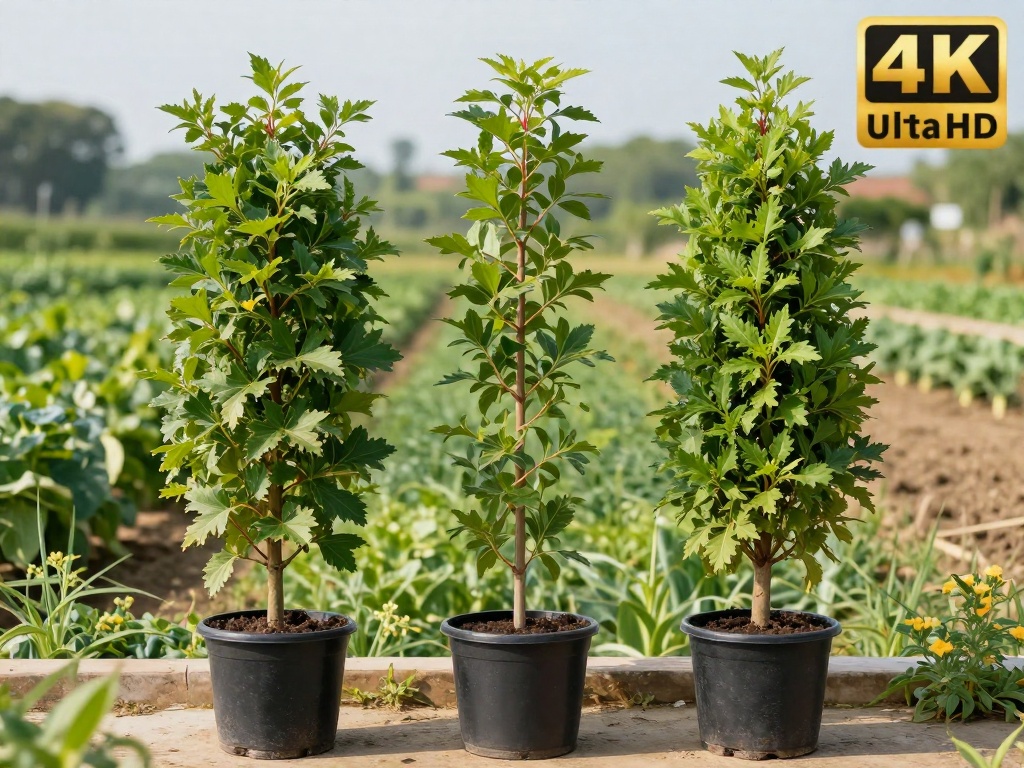
10 Expert Tips for Pruning Vertical Gardening in Pots Success
Vertical gardening in pots offers an innovative solution for gardeners with limited space, allowing you to grow lush plants on patios, balconies, and small yards. Pruning vertical gardening in pots requires specific techniques that differ from traditional horizontal growing methods. When done correctly, strategic pruning transforms your vertical garden into a productive, visually stunning display that produces abundant harvests throughout the growing season.
Understanding Vertical Gardening in Pots
Vertical gardening involves training plants to grow upward rather than outward, maximizing your growing area in minimal floor space. Growing in pots adds portability and flexibility, letting you reposition plants as needed for optimal sunlight exposure. This approach works exceptionally well for tomatoes, cucumbers, beans, peas, and flowering vines.
Why Pruning Matters in Vertical Pot Gardens
Pruning serves multiple essential functions in vertical gardening. It directs energy toward fruit and flower production rather than excessive foliage growth. Proper cuts improve air circulation, reducing fungal disease risks in dense plantings. Strategic pruning also prevents overcrowding on supports and trellises, ensuring each plant receives adequate light and nutrients.
Essential Tools for Pruning Vertical Gardens
Quality tools make precise cuts that heal quickly and minimize plant stress. Invest in sharp bypass pruners for clean cuts on living stems. Keep rubbing alcohol nearby to sterilize blades between plants, preventing disease transmission. A small folding saw handles thicker stems on mature plants. Clean, well-maintained tools produce cleaner cuts that promote faster healing and healthier regrowth.
Must-Have Pruning Supplies
- Bypass pruners (sharp, clean blades)
- Rubbing alcohol or disinfectant wipes
- Pruning sealant for larger cuts
- Garden gloves protecting hands
- Plant labels for tracking cuts
10 Expert Pruning Techniques for Vertical Success
1. Start Early with Seedling Training
Begin pruning when plants are young seedlings to establish strong vertical growth patterns. Pinch the main growing tip when seedlings develop four to six true leaves. This encourages bushier side growth that fills your vertical supports more effectively. Early intervention builds the foundation for productive mature plants.
2. Master the Central Leader Method
The central leader technique works exceptionally well for fruit-bearing vines like tomatoes and cucumbers in pots. Designate one main stem as the primary leader and remove all competing suckers below flower clusters. This concentrated growth produces larger fruits and simplifies trellising dramatically.
3. Implement the Pinch-and-Redirect Technique
Pinch growing tips between thumb and forefinger to redirect energy to lateral branches. This technique works wonderfully for herbs, flowers, and compact vegetables. Pinching the terminal bud triggers hormone changes that stimulate branching at lower nodes, creating fuller vertical displays.
4. Remove Lower Leaves Systematically
As plants grow upward, remove leaves below the first flower or fruit cluster. Eliminating these lower leaves improves air circulation around the pot and reduces soil-borne disease splash. Removing lower foliage also directs more energy upward, encouraging better fruit development on established plants.
5. Thin Overcrowded Growth Regularly
Vertical gardens often become dense, creating shade that inhibits flowering and ripening. Thin crossing stems, damaged foliage, and weak growth weekly. Maintain open spacing between productive branches to ensure light penetrates all parts of the plant. Thinning also makes harvesting easier and reduces pest harboring opportunities.
6. Prune After Flowering for Rebloom
Deadheading spent flowers redirects plant energy from seed production to generating new blooms. Cut flower stems back to the first healthy leaf node or lateral branch. This technique extends flowering periods significantly, giving you continuous color and extended harvests from your vertical pots.
7. Control Vertical Growth Strategically
Pin pots on vertical supports have natural height limits. Prune the main stems when plants reach 6 to 8 feet to encourage lateral branching. Stopping vertical growth forces energy into fruit development and secondary shoots that produce additional yields within your growing space constraints.
8. Handle Crossing Branches Immediately
Crossover stems create rubbing wounds that invite disease and pest problems. Identify crossing branches early and remove the less productive one cleanly. Making this decision promptly prevents damage escalation and maintains plant vigor throughout the season.
9. Prune Root-Bound Vertical Plants
Pots limit root expansion, causing plants to become root-bound over time. During transplanting or annual repotting, trim circling roots and damaged portions. Root pruning combined with fresh potting mix rejuvenates declining vertical plants and extends their productive lifespan significantly.
10. Maintain Consistent Pruning Schedules
Establish weekly pruning routines during active growing seasons. Consistent attention prevents problems from escalating and keeps plants productive. Document your pruning activities to learn which techniques work best for specific plants in your unique growing conditions.
Common Pruning Mistakes to Avoid
Over-Pruning Container Plants
Removing too much foliage stresses vertical plants struggling with limited root space. Never remove more than 25% of total foliage at once. Gradual, strategic pruning preserves plant health while achieving your training goals effectively.
Using Dull or Dirty Equipment
Torn, crushed stems from dull pruners invite disease and heal slowly. Sterilize tools regularly, especially when moving between plants showing any signs of infection. Clean cuts heal rapidly and maintain plant vigor throughout the growing season.
Pruning at Wrong Times
Avoid major pruning during extreme heat or immediately before cold spells. Mid-morning pruning on dry, mild days provides optimal healing conditions. Save extensive reshaping for early spring or after harvest, depending on your climate zone and plant types.
Best Plants for Vertical Pot Gardening
Certain plants respond exceptionally well to vertical pruning in containers. Indeterminate tomatoes thrive with central leader training on stakes or towers. Pole beans climb naturally and benefit from tip pruning to encourage lateral production. Cucumbers trained on trellises produce straighter fruits with less disease when properly pruned. Flowering vines like morning glories and clematis reward consistent pinching with spectacular displays.
FAQ
How often should I prune plants in vertical pot gardens?
Check your vertical garden every three to four days during active growing season. Remove dead foliage, crossing branches, and spent flowers as needed. Perform more thorough pruning sessions weekly to maintain shape and productivity throughout the season.
Can pruning improve fruit production in vertical containers?
Yes, strategic pruning significantly increases fruit production in vertical pot gardens. Removing suckers and lower foliage redirects energy toward flowering and fruit development. Improved air circulation also reduces disease, allowing plants to allocate more resources to productive growth.
What is the best time of day to prune vertical garden plants?
Late morning pruning offers ideal conditions in most climates. Plants have dried from morning dew, reducing disease risk, yet remain cool and less stressed than during afternoon heat. Avoid pruning when foliage is wet or during extreme temperature conditions.
Should I seal pruning cuts on vertical garden plants?
Sealing cuts becomes necessary only on large stems or when pruning diseased plant material. Clean cuts on healthy plants heal naturally without intervention. Use organic pruning sealant on cuts larger than one inch diameter to prevent moisture entry and pest invasion.
No comments