
Pruning Container Gardening: 10 Easy Methods for Better Growth
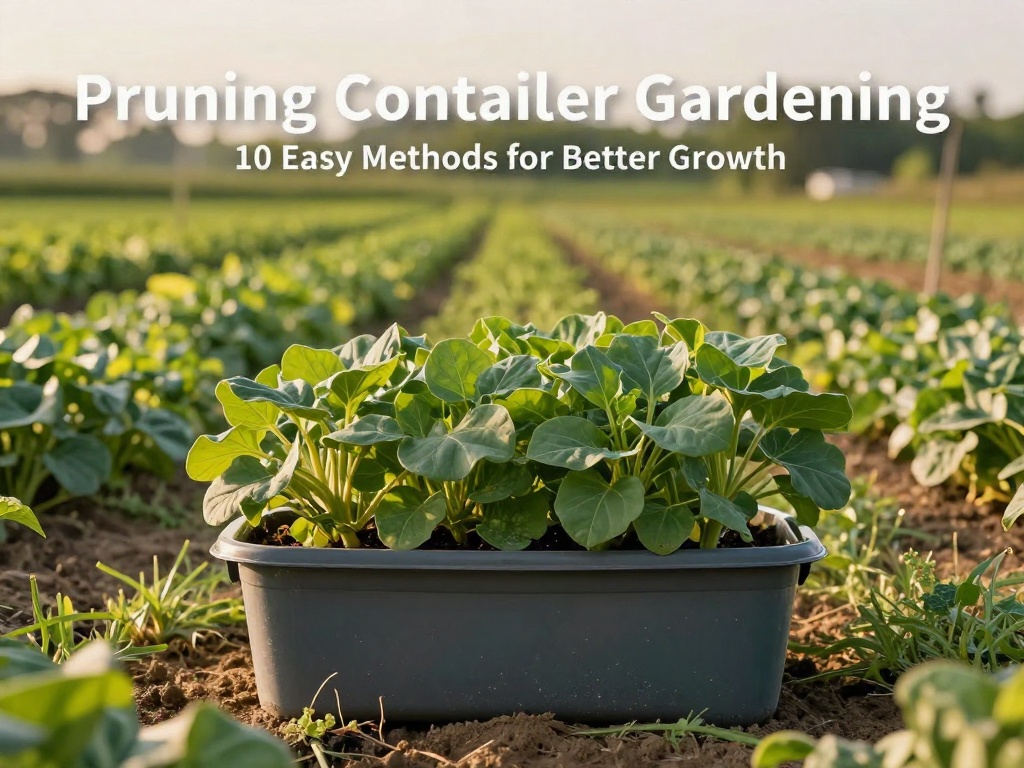
Pruning Container Gardening: 10 Easy Methods for Better Growth
Pruning container gardening is one of the most effective techniques you can use to keep your potted plants healthy, productive, and visually appealing. Whether you're growing vegetables, herbs, or ornamental plants, proper pruning helps your plants thrive in limited soil space. This guide covers ten easy pruning methods that any gardener can master, regardless of experience level.
Why Pruning Matters in Container Gardening
Container plants face unique challenges that differ from traditional garden beds. Limited root space means plants cannot spread freely to find nutrients and water. Pruning helps redirect the plant's energy to where it's needed most. Regular trimming promotes air circulation, reduces disease risk, and encourages bushier growth. For edible plants, proper pruning often means larger yields in a smaller footprint.
When you prune container plants correctly, you compensate for the constraints of restricted soil volume. The result is stronger stems, more vibrant foliage, and better fruit or flower production. Many gardeners overlook pruning in containers, but it is arguably more important than in-ground gardening.
Understanding Basic Pruning Principles
Know Your Plant's Growth Pattern
Before making any cuts, observe how your specific plant grows. Some plants produce fruit on new growth, while others fruit on older branches. This knowledge determines where and when you should prune. Tomato plants, for instance, benefit from sucker removal, while pepper plants respond better to tip pruning.
Use Clean, Sharp Tools
Dull blades crush plant tissue instead of cutting cleanly, inviting disease. Clean your pruners with rubbing alcohol between plants to prevent spreading pathogens. A quality pair of bypass pruners handles most container plant pruning tasks efficiently.
10 Easy Pruning Methods for Container Plants
1. Pinching Method
Pinching involves removing the growing tip of a stem with your fingers. This simple technique encourages branching and creates a fuller plant. Pinch just above a leaf node where new growth will emerge. This method works exceptionally well for herbs like basil, mint, and oregano.
2. Deadheading for Continuous Blooms
Remove spent flowers to redirect the plant's energy from seed production to creating new blooms. Snip the flower stem just above the first set of healthy leaves. Deadheading extends the flowering period significantly for annuals like petunias and marigolds in containers.
3. Heading Back Cuts
Heading back means cutting a stem back to a bud or lateral branch. This technique controls size and shape while stimulating dense growth. Never remove more than one-third of the plant's total growth at once to avoid stressing the plant.
4. Thinning for Air Circulation
Remove entire stems or branches at their point of origin to open up the plant's interior. Thinning reduces crowding, improves light penetration, and decreases fungal disease risk. This method is particularly valuable for dense-foliaged plants like peppers and eggplant.
5. Sucker Removal
Suckers are shoots that grow between the main stem and branches. In tomato container gardening, removing suckers directs energy to fruit production. Remove suckers when they are small, ideally less than four inches long, to minimize wound size.
6. Root Pruning
Root pruning accompanies top pruning when repotting becomes necessary. Gently loosen and trim circling roots, cutting about one to two inches off the root ball. This encourages new root development and prevents root-bound conditions in containers.
7. Canopy Reduction
When container plants grow too large for their space, gradually reduce the canopy over several weeks. Never remove more than twenty-five percent of foliage at one time. This technique maintains the root-to-shoot balance that container plants require.
8. rejuvenating Old Plants
Mature plants that have become leggy or woody respond well to rejuvenation pruning. Cut back hard to stimulate fresh growth from the base. This dramatic approach works for many perennial herbs and flowering shrubs grown in containers.
9. Maintenance Pruning Schedule
Establish a regular weekly inspection routine for your container plants. Remove yellowing leaves, crossing branches, and damaged growth as soon as you notice them. Consistent maintenance pruning prevents problems from developing into serious issues.
10. Training and Shaping
Guide your container plants into desired forms using strategic pruning cuts. Support vertical growth for single-stem plants, or encourage horizontal spread for bushy varieties. Training works especially well for small fruit trees and climbing plants in containers.
Best Time to Prune Container Plants
Timing affects how well your plants recover from pruning. Spring-blooming plants should be pruned after flowering finishes. Summer-growing vegetables benefit from pruning during active growth, typically early morning when plants are hydrated. Avoid pruning during extreme heat or when plants are under stress.
Most container plants respond well to light pruning throughout the growing season. Save major restructuring for dormant periods or early spring before new growth begins. Watch for signs that indicate your plants need attention, such as reduced flowering, leggy growth, or yellowing lower leaves.
Common Pruning Mistakes to Avoid
Over-pruning weakens plants by removing too much foliage at once. Plants need leaves for photosynthesis, which provides energy for recovery and growth. Never prune more than thirty percent of a plant's total size in a single session.
Another frequent error is making improper cuts. Always cut at a forty-five-degree angle sloping away from a bud to prevent water accumulation on the cut surface. Avoid leaving stubs, which can rot and invite disease organisms into the plant.
Signs Your Container Plant Needs Pruning
Watch for these indicators that pruning is necessary: stems growing toward light sources and becoming unbalanced, reduced flowering or fruit production, foliage appearing sparse or leggy, and branches crossing or rubbing against each other. Yellow or brown leaf edges often signal the need for better air circulation through selective thinning.
Tools for Container Gardening Pruning
The right tools make pruning easier and more effective. Bypass pruners work best for live plant material, while anvil-style pruners suit dead wood. Keep micro-pruners handy for small herbs and delicate plants. A small pair of scissors often suffices for deadheading flowers in containers.
Invest in quality tools that feel comfortable in your hand. Well-maintained tools last longer and provide cleaner cuts. Wipe blades with oil after use to prevent rust, especially if your tools are stored in humid environments like greenhouses.
Benefits of Regular Pruning in Containers
Consistent pruning transforms your container garden's appearance and productivity. Plants become more compact and manageable, fitting better in small spaces. Disease pressure decreases dramatically when air flows freely through open canopies. Fruit and vegetable production often increases because the plant channels energy into fewer but higher-quality outputs.
Pruned container plants also tend to live longer. Removing dead or diseased material prevents problems from spreading and allows the plant to focus resources on healthy growth. Many perennial plants in containers can thrive for years with proper pruning maintenance.
FAQ
How often should I prune my container plants?
Light pruning every one to two weeks during the growing season keeps plants healthy and shaped. Major pruning should be done seasonally, typically in early spring or after flowering periods depending on the plant type.
Can I use pruning to control plant size in containers?
Yes, regular pruning effectively controls the size of container plants. Consistent heading-back cuts and pinching maintain the desired dimensions while promoting dense, attractive growth rather than leggy expansion.
What is the easiest pruning method for beginners?
Pinching the growing tips of plants is the simplest starting point. This technique requires no tools, only your fingers, and immediately encourages bushier growth. It works well for herbs, houseplants, and many flowering annuals.
Should I prune vegetables grown in containers differently than garden plants?
Container vegetables often need more frequent light pruning to compensate for limited root space. Focus on removing suckers, improving air circulation, and maintaining manageable sizes rather than heavy pruning that could stress limited root systems.
No comments