
Hydroponic Indoor Vegetables: 10 Best Crops for 2026
Hydroponic Indoor Vegetables: 10 Best Crops for 2026
Growing hydroponic indoor vegetables has transformed from a futuristic concept into a practical solution for modern gardeners. Whether you lack outdoor space, live in a cold climate, or simply want fresh produce year-round, hydroponics offers an efficient way to cultivate nutritious vegetables without soil. This comprehensive guide explores the best crops for your indoor hydroponic system and provides actionable tips to maximize your harvest.
Why Choose Hydroponics for Indoor Vegetable Growing?
Hydroponic systems deliver nutrients directly to plant roots through water solutions, eliminating the need for traditional soil-based cultivation. This method produces faster growth rates, higher yields, and uses up to 90% less water than conventional farming. Indoor hydroponic gardens also eliminate weather constraints, pest problems, and seasonal limitations that affect outdoor growing.
Key Advantages of Soil-Free Indoor Cultivation
- Faster harvest cycles compared to traditional gardening
- No soil-borne diseases or weeds to manage
- Year-round production regardless of external climate
- Compact systems suitable for apartments and small spaces
- Reduced water consumption and environmental impact
Top 10 Hydroponic Indoor Vegetables for Successful Growing
1. Leaf Lettuce
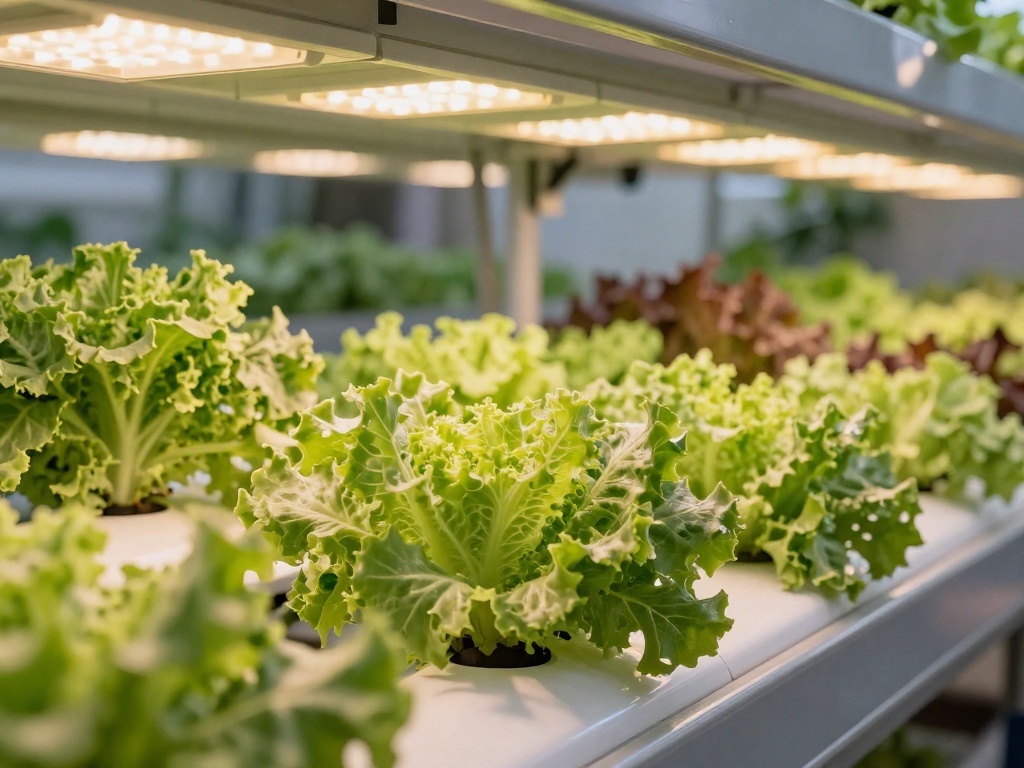
Leaf lettuce ranks among the easiest hydroponic indoor vegetables for beginners. This cool-season crop thrives in nutrient film technique (NFT) and deep water culture (DWC) systems. Most varieties reach harvest size within 30-45 days, providing quick returns on your investment. Butterhead, romaine, and loose-leaf varieties perform exceptionally well under artificial grow lights.
2. Spinach
Spinach flourishes in cooler hydroponic environments with temperatures between 60-70°F. This nutrient-dense green adapts well to DWC and ebb-and-flow systems. Expect to harvest fresh spinach leaves within 35-45 days of transplanting. The crop requires moderate lighting and benefits from consistent nutrient delivery for optimal leaf development.
3. Kale
Kale has become increasingly popular among hydroponic growers due to its hardiness and nutritional value. This cold-tolerant vegetable grows well in NFT and vertical systems. Curly kale, lacinato, and Russian varieties all perform admirably in indoor environments. Harvest outer leaves continuously to encourage continued production throughout the growing season.
4. Basil
Basil ranks as one of the most profitable herbs for hydroponic cultivation, making it an excellent choice for indoor growing. This warm-season crop prefers temperatures around 70-75°F and thrives under consistent lighting. Genovese, Thai, and lemon basil varieties adapt well to DWC and NFT systems. Most basil varieties reach harvest maturity within 25-35 days.
5. Cilantro
Cilantro presents moderate difficulty for hydroponic growers but rewards patience with abundant harvests. This herb prefers cooler temperatures and moderate light intensity. Success with cilantro requires proper ventilation and careful monitoring of nutrient levels. Harvest by cutting outer stems, allowing the center to continue producing new growth.
6. Cherry Tomatoes
Cherry tomatoes offer impressive yields in properly maintained hydroponic systems. These plants require more space and support than leafy greens but reward growers with abundant fruit production. LED grow lights, proper pollination assistance, and consistent nutrient feeding support healthy tomato development. Expect fruit production within 60-90 days of transplanting.
7. Cucumbers
Cucumbers perform well in larger hydroponic setups with adequate vertical space for climbing vines. This warm-season crop demands high light intensity, temperatures around 75-80°F, and robust nutrient solutions. Drip irrigation systems work particularly well for cucumber cultivation. Regular harvesting encourages continued fruit production throughout the season.
8. Bell Peppers
Bell peppers thrive in hydroponic environments when provided with sufficient light and warmth. These compact plants produce well in indoor settings with proper support. Hot pepper varieties also grow successfully using similar techniques. Pepper plants typically begin producing fruit within 70-90 days and continue generating harvests for several months.
9. Bok Choy
Bok choy represents an excellent choice for hydroponic indoor vegetables, particularly in Asian cuisine gardens. This cool-season crop grows rapidly in NFT systems and reaches harvest size within 40-55 days. Baby bok choy varieties work especially well for limited-space installations. Regular harvesting of outer leaves extends the productive period.
10. Radishes
Radishes offer one of the fastest harvest cycles among root vegetables suitable for hydroponic cultivation. These compact plants thrive in NFT channels and media-based systems. Expect edible roots within 25-35 days of seeding. Radishes require minimal space and make excellent companion plants in multi-crop hydroponic installations.
Essential Components for Successful Indoor Hydroponic Gardens
Choosing the Right System Type
Different hydroponic systems suit different vegetable varieties. Deep water culture works excellently for lettuce, basil, and spinach. NFT systems handle most leafy greens effectively. Ebb-and-flow systems accommodate larger plants like tomatoes and peppers. Consider your available space, budget, and target crops when selecting a system.
Lighting Requirements
Artificial grow lights serve as the foundation for successful indoor hydroponic vegetable production. LED lights offer energy efficiency and spectrum customization for optimal plant growth. Most vegetables require 12-16 hours of light daily. Position lights 6-12 inches above plant canopy and adjust height as plants grow.
Nutrient Solutions
Complete hydroponic nutrient solutions must provide essential macro and micronutrients for healthy vegetable growth. Monitor electrical conductivity (EC) and pH levels regularly to maintain optimal nutrient uptake. Most vegetables thrive with pH levels between 5.5-6.5 and EC levels varying by crop type and growth stage.
Getting Started with Your Indoor Hydroponic Garden
Beginning your hydroponic journey requires minimal investment while offering maximum returns in fresh produce. Start with forgiving crops like lettuce and basil before progressing to more demanding vegetables. Clean your system regularly, monitor plant health daily, and adjust environmental conditions based on plant responses.
The technology behind hydroponic indoor vegetables continues advancing rapidly, making home cultivation more accessible than ever. Whether you aim for supplemental fresh greens or complete vegetable self-sufficiency, hydroponics provides the tools to achieve your goals regardless of outdoor space limitations.
FAQ
What vegetables grow best in hydroponic indoor systems?
Leafy greens including lettuce, spinach, kale, and herbs like basil and cilantro grow best in hydroponic systems. These crops adapt readily to soil-free cultivation and produce rapid harvests. Fruiting vegetables such as tomatoes, peppers, and cucumbers also succeed with proper lighting and support structures.
How long does it take to grow vegetables hydroponically indoors?
Most hydroponic indoor vegetables reach harvest maturity faster than soil-grown counterparts. Leafy greens typically mature within 25-45 days, while fruiting vegetables require 60-90 days. Faster growth results from direct nutrient delivery and optimized growing conditions that eliminate plant stress factors common in traditional gardening.
Do hydroponic vegetables taste different from soil-grown varieties?
Many gardeners report that hydroponically grown vegetables taste equal to or better than soil-grown equivalents. Flavor depends primarily on nutrient formulation, harvest timing, and variety selection rather than growing method. Proper attention to nutrient balance and harvest timing produces vegetables with excellent taste and nutritional content.
What is the initial cost of starting an indoor hydroponic garden?
Entry-level hydroponic systems for growing indoor vegetables start around $50-100 for simple kits. Complete starter systems with grow lights typically range from $150-500. Larger systems capable of supporting multiple vegetable varieties may cost $500-2000 or more. The investment pays for itself quickly through reduced grocery costs and year-round production capability.
No comments