
Drip Irrigation for Raised Bed Gardens: 2024 Guide to Save Water & Grow More
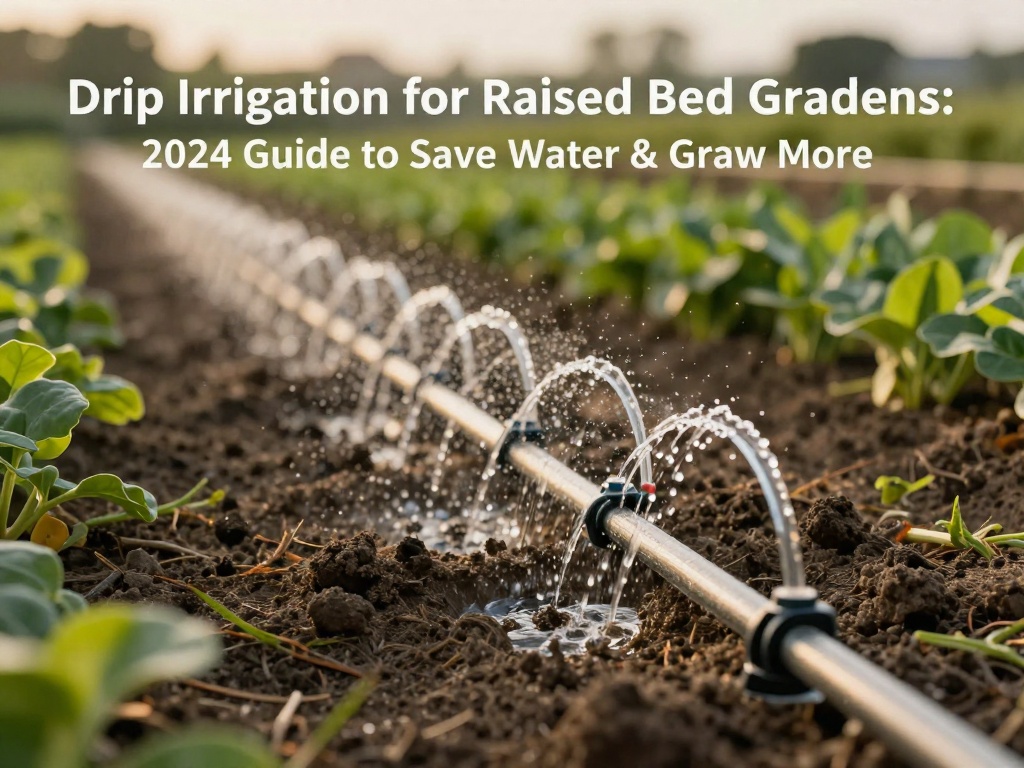
Drip Irrigation for Raised Bed Gardens: 2024 Guide to Save Water & Grow More
Drip irrigation for raised bed gardens is one of the most efficient upgrades home gardeners can make to their growing space in 2024. Unlike overhead sprinklers that lose up to 50% of water to evaporation and runoff, drip systems deliver water directly to plant root zones, per USDA data on agricultural water efficiency. This targeted approach cuts water bills, reduces weed growth, and prevents common plant diseases caused by wet foliage.
Core Benefits of Drip Irrigation for Raised Bed Gardens
1. Dramatically Reduces Water Waste
The USDA reports that traditional sprinkler systems lose 30-50% of water to evaporation, wind drift, and overwatering. Drip systems cut that waste by up to 70% by releasing only 1-2 gallons of water per hour directly into the soil. Raised beds drain faster than in-ground gardens, so this slow, consistent delivery ensures roots absorb moisture before it leaches below the root zone.
2. Cuts Down on Weeds and Plant Diseases
Overhead watering saturates the entire soil surface, giving weed seeds the moisture they need to germinate. Drip irrigation only wets the root zones of your desired plants, leaving the areas between rows dry to suppress weed growth. Wet foliage also fosters fungal diseases like powdery mildew and blight, which are eliminated when water never touches plant leaves.
3. Boosts Vegetable Yields by 20-50%
A 2023 study from the University of Minnesota Extension found that raised bed gardens with drip irrigation produce 23% more tomatoes, 38% more cucumbers, and 41% more leafy greens than those using sprinkler systems. Consistent access to moisture eliminates plant stress, which is a leading cause of reduced fruit production and blossom drop.
Simple Step-by-Step Setup for Beginners
1. Gather Your Core Supplies
You don’t need professional tools to set up a drip system for 1-4 standard 4x8ft raised beds. Core supplies include a garden hose adapter with a pressure regulator, ½-inch main drip tubing, ¼-inch feeder tubing, emitters (0.5-1 gallon per hour for most vegetables), a hole punch for tubing, and end caps to seal the main line. Most pre-made kits cost $50-$100 for a 4-bed setup, which is less than the average annual cost of overwatering a residential vegetable garden.
2. Install and Test the Main Line
Run the ½-inch main tubing along the front edge of all your raised beds, securing it to the soil or bed frame with plastic landscape stakes. Connect the main line to your outdoor faucet via the pressure regulator, which is critical to prevent tubing bursts and ensure emitters release water at the designed rate. Test the connection for leaks before moving on to feeder lines.
3. Add Feeder Lines and Emitters
Run ¼-inch feeder tubing down the length of each plant row in your raised beds, spacing each line 12 inches apart to cover all root zones. Punch a hole in the main line to connect each feeder line, then add emitters at the base of every plant to deliver targeted moisture. Seal all open ends of the tubing with end caps, and run the system for 30 minutes to check for uniform water delivery across all beds.
Seasonal Maintenance to Extend System Lifespan
Drip irrigation systems last 5-10 years with basic seasonal upkeep. At the start of each growing season, flush the main line for 5 minutes to clear any sediment that could clog emitters. Every month, inspect emitter heads for clogs, clearing blockages with a small pin or replacing damaged emitters for less than $1 each. At the end of the season, drain all water from the tubing to prevent freeze damage, and store the system indoors if you live in a region with sub-zero winter temperatures.
Frequently Asked Questions
How often should I run my drip irrigation system for raised beds?
Most vegetable gardens need 1-2 inches of water per week. Run your drip system for 30-45 minutes, 2-3 times per week, adjusting for local rainfall. Use a soil moisture meter to confirm the top 6-12 inches of soil stays consistently damp but not waterlogged, which is ideal for most raised bed vegetables.
Can I add an automatic timer to my drip irrigation system?
Yes, a battery-powered or smart irrigation timer is a high-value add-on for any drip setup. Timers automate watering, so you never forget to hydrate your plants while on vacation, and many smart models adjust run times based on local weather data to save even more water and avoid overwatering after rainstorms.
Are drip systems compatible with organic raised bed gardens?
Absolutely. You can add liquid organic fertilizers to your drip system via a low-cost fertilizer injector to deliver nutrients directly to plant roots, a practice called fertigation. This avoids the risk of burning foliage common with foliar feeding, and it works seamlessly with all organic soil blends used in raised bed gardens.
No comments