
10 Best Vertical Gardening Solutions for Small Spaces in 2026
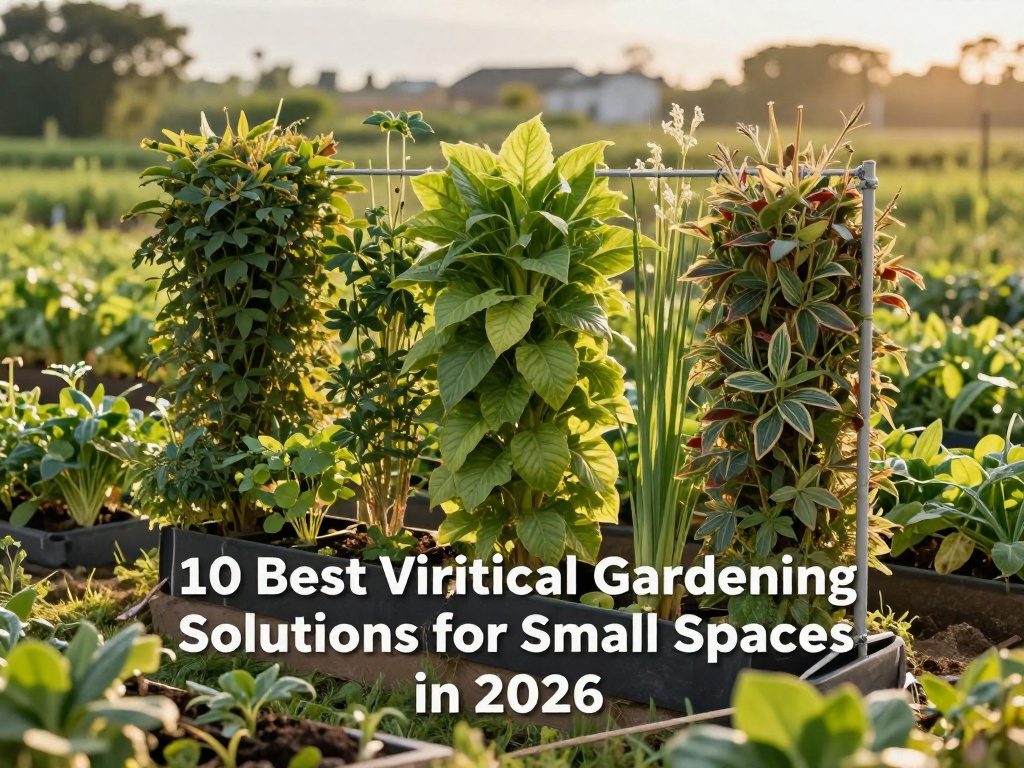
10 Best Vertical Gardening Solutions for Small Spaces in 2026
Living in a compact apartment or home doesn't mean you have to give up your dream of having a lush, productive garden. Vertical gardening small spaces has become one of the most innovative solutions for urban dwellers who want to maximize every inch of available area. By growing upward instead of outward, you can transform bare walls, balconies, and cramped corners into thriving green sanctuaries.
Why Vertical Gardening is Perfect for Small Spaces
Traditional horizontal gardens require significant square footage that many urban residents simply don't possess. Vertical gardening small spaces solves this problem by utilizing the often-overlooked vertical dimension. These innovative systems can increase your growing capacity by up to 300% while occupying minimal floor space.
Beyond space efficiency, vertical gardens offer improved air circulation, which reduces fungal disease risks. They also bring plants closer to eye level, making watering, pruning, and harvesting far more convenient. Whether you're growing herbs for your kitchen or flowering plants for visual appeal, going vertical opens endless possibilities.
The Science Behind Vertical Growing
Plants naturally grow toward light sources, making vertical structures a natural fit for their growth patterns. When you position your vertical garden near windows or under grow lights, you create optimal conditions for photosynthesis. Many gardeners report faster growth rates and higher yields compared to traditional container gardening.
Top 10 Vertical Gardening Solutions for Small Spaces
1. Pocket Planters and Fabric Walls
Pocket planters consist of felt or fabric pockets attached to a backing frame that mounts directly onto walls. Each pocket holds small plants like succulents, herbs, or trailing vines. These systems typically accommodate 12 to 24 plants in a 2x4 foot area, making them ideal for kitchen herb gardens or living room accent walls.
Installation requires only basic tools, and the fabric material promotes excellent drainage while retaining enough moisture for healthy roots. You can customize these systems with different plant arrangements and colors to match your interior design.
2. Tower Gardens and Vertical Planters
Tower gardens stand independently and feature multiple planting levels stacked vertically. Modern tower systems often incorporate hydroponic technology, allowing you to grow leafy greens, tomatoes, and peppers without soil. These towers typically stand 3 to 5 feet tall and can produce harvests equivalent to traditional garden beds.
The rotating design ensures all plants receive equal light exposure, promoting even growth throughout the structure. Many models include built-in watering systems that distribute nutrients evenly to all levels.
3. Gutter Gardens
Repurposing old rain gutters into planting containers offers an affordable vertical gardening solution. Mounted horizontally on walls or fences at varying heights, gutters create a cascading effect perfect for trailing strawberries, lettuce, or herbs. Each gutter section typically spans 4 to 10 feet and holds multiple plants.
The shallow depth works exceptionally well for shallow-rooted vegetables and plants. Drill drainage holes every 6 inches to prevent waterlogging, and consider installing a drip irrigation system for hands-free maintenance.
4. Ladder Shelving Planters
Wooden or metal ladders repurposed as plant stands provide rustic charm while maximizing vertical space. Position potted plants on each rung, starting with sun-loving varieties at the top and shade-tolerant plants below. A three-step ladder accommodates 6 to 9 medium-sized containers comfortably.
This solution works beautifully on balconies, patios, or inside near bright windows. The open design ensures excellent air circulation, and you can easily rearrange plants as their light requirements change throughout seasons.
5. Hanging Basket Systems
Hanging baskets suspended from ceiling hooks or overhead structures utilize previously unused vertical airspace. Macrame hangers, decorative pots, or simple wire baskets all work effectively. Trailing plants like petunias, ivy, or cherry tomatoes create stunning visual displays while saving precious floor space.
Consider installing a pulley system to make raising and lowering baskets for maintenance easier. Self-watering hanging baskets with reservoir bottoms reduce the frequency of watering, which is crucial for overhead plants.
6. Trellis and Wire Frame Systems
Climbing plants naturally reach for the sky when given proper support. Installing trellis panels against walls or between posts creates a living green screen that provides privacy, shade, and beauty. Climbing vegetables like pole beans, cucumbers, and small melons thrive on these structures.
Cedar and redwood trellises offer natural weather resistance and last many seasons. For indoor use, decorative metal or bamboo trellises add architectural interest while supporting vining plants like pothos, philodendrons, or jasmine.
7. Magazine and Storage Rack Planters
Repurposed magazine racks or cube storage units make surprisingly effective vertical gardens. Each cubby holds a single pot, creating an organized display of diverse plant varieties. This approach works particularly well for succulent collections, small herb gardens, or decorative houseplants.
The modular nature allows you to expand or reconfigure your arrangement easily. Metal and wire cube systems resist moisture damage better than wood alternatives when used for gardening purposes.
8. PVC Pipe and Rain Chain Gardens
Cut PVC pipes lengthwise create long, shallow planting channels perfect for lettuce, spinach, and herbs. Mount these channels vertically on walls or fences, spacing them 8 to 12 inches apart. The hollow interior provides excellent drainage while the plastic material retains moisture.
Rain chain gardens use a similar concept, transforming decorative rain chains into vertical planters where each link holds a small plant or seed starting. These artistic installations become functional garden features while managing water runoff beautifully.
9. Shoe Organizer Planters
Over-the-door shoe organizers with clear plastic pockets serve as surprisingly effective vertical gardens. Each pocket holds soil and small plants, with the mesh or plastic material providing adequate drainage. Hang organizers on patio doors, balcony rails, or interior walls for instant greenery.
This budget-friendly option accommodates 24 to 36 individual planting spaces in a single organizer. Strawberries, herbs, and small flowering plants work particularly well in these compact pockets.
10. Living Wall Art and Modular Panel Systems
Professional-grade living wall systems feature interlocking modules that create seamless planted surfaces. These permanent installations integrate irrigation and fertilization systems for automated maintenance. While more expensive than DIY options, they deliver stunning visual impact and superior plant health.
Modular systems range from small 2x2 foot accent panels to entire wall coverings spanning dozens of square feet. Many modern designs incorporate self-watering mechanisms and growth monitoring sensors through smartphone apps.
Choosing the Right Plants for Vertical Gardens
Not all plants adapt equally well to vertical growing conditions. Shallow-rooted vegetables including lettuce, spinach, radishes, and herbs thrive in the limited soil depth of most vertical planters. Trailing plants like strawberries, sweet potato vines, and certain tomato varieties create beautiful cascading effects.
For ornamental vertical gardens, consider pothos, spider plants, philodendrons, and various fern species. These houseplants tolerate variable moisture conditions and adapt well to indoor vertical environments with moderate light exposure.
Light Requirements for Vertical Gardens
Understanding light requirements prevents common vertical gardening mistakes. Most edible plants need at least 6 hours of direct sunlight daily, while leafy greens tolerate partial shade. Place sun-loving plants on upper shelves or closer to windows, reserving lower positions for shade-tolerant varieties.
For rooms with limited natural light, supplement with full-spectrum LED grow lights positioned 6 to 12 inches above plant foliage. Timers ensure consistent light exposure, mimicking natural daylight cycles for optimal growth.
Maintenance Tips for Vertical Gardening Success
Watering requires extra attention in vertical gardens since water naturally flows downward. Upper plants dry out faster than those at the bottom. Check soil moisture daily during summer months and adjust watering frequency based on plant response and ambient humidity.
Fertilization becomes crucial in vertical systems since nutrients leach downward with each watering. Use slow-release organic fertilizers or apply liquid fertilizer at half-strength more frequently. Regular pruning prevents overcrowding and encourages healthy, bushy growth.
Getting Started with Your First Vertical Garden
Begin with a single vertical system rather than overwhelming yourself with multiple installations. Start with easy-to-grow plants like pothos, mint, or lettuce while developing your vertical gardening skills. Document your successes and failures to refine your approach over time.
Consider your available light, budget, and time commitment when selecting a vertical gardening system. Some systems require daily attention while others operate with minimal maintenance through automated irrigation. Choose solutions that align with your lifestyle for long-term success.
FAQ
What plants grow best in vertical gardens for beginners?
Beginners should start with low-maintenance plants like pothos, spider plants, lettuce, basil, and mint. These species tolerate occasional neglect, adapt to varying light conditions, and grow quickly enough to provide satisfying results within weeks. Avoid demanding plants like orchids or specialty vegetables until you've gained experience with easier varieties.
How much does a vertical garden cost to start?
DIY vertical garden projects start as low as $20 to $50 using repurposed materials like gutters, shoe organizers, or pallets. Pre-made vertical planters range from $50 to $300 depending on size and features. Professional living wall systems cost $500 to several thousand dollars but include installation services and automated maintenance systems.
Can vertical gardens work indoors without natural light?
Yes, vertical gardens thrive indoors using supplemental grow lights. LED grow strips and panels consume minimal electricity while providing full-spectrum light wavelengths plants need for photosynthesis. Position lights on adjustable chains so you can raise them as plants grow, maintaining the optimal 6 to 12 inch distance from foliage.
How often should I water a vertical garden?
Vertical gardens typically require watering every 1 to 3 days depending on plant types, ambient humidity, and air circulation. Upper planting pockets dry fastest and may need daily watering during hot weather. Monitor soil moisture with your finger or a moisture meter, watering when the top inch feels dry. Self-watering systems with reservoirs extend intervals between waterings to weekly or longer.
No comments