
Chicken Pasture Rotation for Parasite Control: 2024 Guide to Healthy Flocks
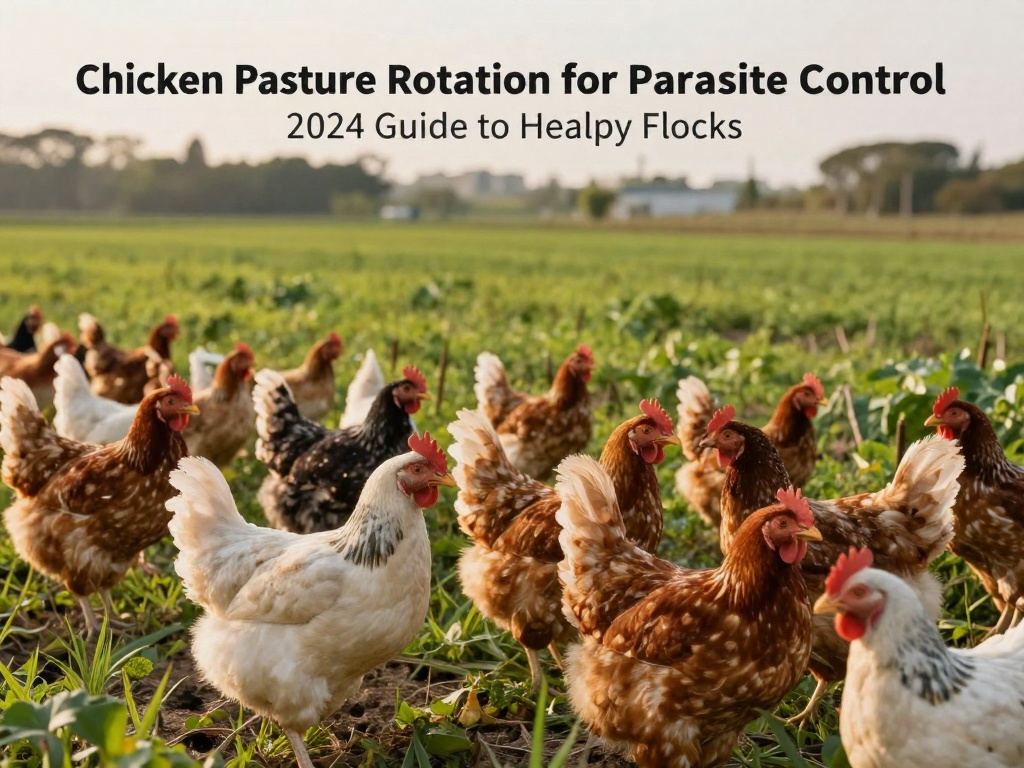
Chicken Pasture Rotation for Parasite Control: 2024 Guide to Healthy Flocks
Raising pasture-raised chickens delivers higher-quality eggs, lower feed costs, and more humane flock conditions, but internal parasites like roundworms and coccidia are one of the most common threats to long-term flock health. Chicken pasture rotation for parasite control is a science-backed, low-cost strategy that stops parasite life cycles in their tracks, reducing reliance on regular chemical dewormers. University of Georgia extension data shows that properly implemented rotation cuts internal parasite loads in backyard and small-scale flocks by up to 87% annually.
Why Pasture Rotation Works to Stop Chicken Parasites
The Parasite Life Cycle That Makes Rotation Effective
Common chicken parasites, including roundworms and coccidia, reproduce by shedding eggs in chicken manure. Once deposited in soil, these eggs hatch into infective larvae within 7 to 14 days in most temperate climates. Chickens pick up these larvae by pecking at contaminated grass or soil, restarting the parasite life cycle over and over.
University of Kentucky extension research confirms that 90% of common chicken parasites cannot survive more than 30 days in soil without a chicken host. Moving flocks before larvae mature breaks this cycle entirely, eliminating the risk of reinfection as chickens move to clean, uncontaminated pasture.
Common Rotation Mistakes That Undermine Parasite Control
Many small-scale flock owners make avoidable errors that render their rotation strategy useless. The most common mistake is leaving chickens in the same paddock for more than 6 days, which gives parasite eggs enough time to hatch into infective larvae. Other mistakes include resting pastures for fewer than 30 days, rotating chickens into areas recently used by turkeys (which share many of the same parasites), and overstocking paddocks, which speeds up soil contamination.
How to Build a Rotation System for Maximum Parasite Protection
Step 1: Calculate Paddock Size For Your Flock
The USDA recommends 10 square feet of pasture space per standard-sized meat or egg-laying chicken to prevent overcrowding and excess manure buildup. For a flock of 20 chickens, that means each paddock needs to be at least 200 square feet, or roughly 14x14 feet. Backyard flock owners with mobile chicken tractors can easily scale this down, with a 10x10 tractor supporting 8 chickens for a 4-day stay.
Step 2: Set A Rotation Schedule That Aligns With Parasite Timelines
For most climate zones, move your flock to a new paddock every 3 to 5 days. In warm, wet regions like the Southeast U.S., where parasite eggs hatch in as little as 5 days, stick to 3-day moves to eliminate exposure risk. Rest each paddock for a minimum of 45 days, 15 days longer than the maximum survival window for most chicken parasites, to ensure all remaining larvae die off before reusing the space.
Step 3: Complement Rotation With Extra Prevention Measures
Rotation works even better when paired with small, low-effort additions to your pasture management. These include:
- Planting parasite-repellent forages like wormwood, sage, garlic, and nasturtiums in each paddock to reduce larval survival
- Adding food-grade diatomaceous earth to chicken dust baths to kill external parasites like mites and lice
- Scheduling annual manure tests through your local extension office to track parasite loads and adjust your rotation if needed
Frequently Asked Questions
How often should I move my pastured chickens to control parasites?
For most temperate regions, moving your flock every 3 to 5 days is sufficient. In hot, humid climates where parasites develop faster, move chickens every 2 to 3 days to stay ahead of hatching larvae that can infect your flock.
Can chicken pasture rotation for parasite control replace chemical dewormers entirely?
For most small-scale and backyard flocks, yes. A 2023 study from the University of Minnesota found that 78% of flocks following consistent rotation schedules used zero chemical dewormers over a 3-year period, with no signs of chronic parasite infection. Large commercial flocks may still need occasional deworming, but rotation cuts dewormer use by 60% on average.
Can I implement rotation if I only have a small backyard?
Absolutely. Mobile chicken tractors (portable coops that you can drag across your lawn) let small-scale backyard flock owners rotate their chickens across multiple small paddocks, even on a ¼-acre lot. By splitting your available lawn space into 4 equal paddocks, you can move your tractor weekly, resting each area for 3 weeks to kill off parasites, supporting a small flock of 6 to 8 chickens.
No comments