
Roses Companion Planting Organic Method: 10 Powerful Combinations
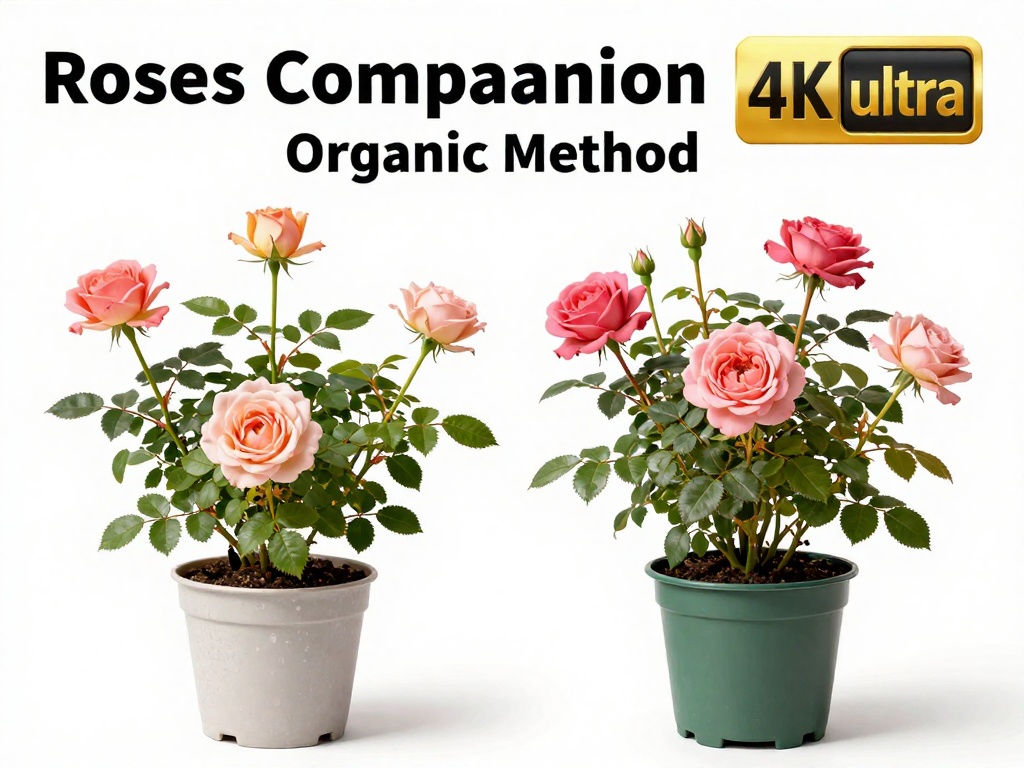
Roses Companion Planting Organic Method: 10 Powerful Combinations
Growing roses organically requires more than just proper watering and sunlight. The roses companion planting organic method offers a natural way to protect your prized blooms from pests, improve soil health, and create a thriving garden ecosystem. By strategically pairing roses with compatible plants, you can reduce the need for chemical interventions while enjoying more vibrant, disease-resistant roses throughout the growing season.
Why Companion Planting Works for Roses
Companion planting creates symbiotic relationships between plants that benefit overall garden health. When you implement the roses companion planting organic method correctly, companion plants work together to deter harmful insects, attract beneficial pollinators, and enhance nutrient availability in the soil.
Natural Pest Control
Many companion plants produce strong scents that confuse and repel pests targeting roses. Aphids, Japanese beetles, and spider mites find their favorite roses less accessible when aromatic companions mask their scent trails. This natural barrier approach eliminates the need for synthetic pesticides while maintaining a healthy garden balance.
Soil Health Benefits
Deep-rooted companion plants break up compacted soil, allowing better water penetration and air circulation around rose roots. Some companions even fix nitrogen in the soil, providing essential nutrients that roses need for vigorous growth and abundant blooming.
Best Companion Plants for Roses
Herbs That Protect Roses
Certain herbs serve as excellent companions for roses through their pest-repelling properties. Chives and garlic planted near rose bushes effectively deter aphids with their strong allium scent. Thyme planted around rose bases helps repel rose chafers and Japanese beetles. Lavender naturally repels deer and rabbits while attracting pollinators essential for rose fertilization.
Parsley and dill attract beneficial wasps that prey on rose-damaging caterpillars. Mint repels ants and aphids but should be contained in pots to prevent it from overwhelming your roses. Sage and rosemary also deter cabbage moths and carrot flies that sometimes damage rose foliage.
Flowers That Complement Roses
Marigolds rank among the best flowers for companion planting with roses. Their roots release thiophene compounds that repel nematodes and other soil pests. Additionally, marigolds attract ladybugs and lacewings that consume aphid populations threatening your roses.
Alliums like ornamental onions and garlic chives provide similar pest-deterrent benefits while adding visual interest with their tall, architectural forms. Catmint creates a beautiful underplanting that repels aphids and attracts pollinators. Lupines fix nitrogen in the soil, feeding nearby roses naturally.
Vegetables and Alliums
Onions, garlic, and leeks planted near rose gardens create a pest-repelling barrier with their pungent compounds. These vegetables confuse cabbage maggots, carrot flies, and other insects that might otherwise target your roses. Tomatoes planted nearby can help repel rose beetles, though space considerations may limit this combination in smaller gardens.
Bean family plants like sweet peas and runner beans fix atmospheric nitrogen and convert it to a form roses can readily absorb. Lettuce makes an excellent ground cover that keeps soil cool and moist while maximizing garden space efficiency.
Plants to Avoid Near Roses
Not all plants make good companions for roses. Avoid planting brassicas like cabbage, broccoli, and Brussels sprouts near roses, as they compete heavily for nutrients. Cucumbers and potatoes can spread fungal diseases that affect rose health.
Plants requiring heavy nitrogen feeding should stay away from roses, as they will compete for the same nutrients. Avoid creating mixed gardens with roses and any member of the cabbage family to prevent nutrient depletion and disease transmission between plant families.
Organic Care Tips for Rose Companions
Success with the roses companion planting organic method requires thoughtful spacing and maintenance. Allow adequate air circulation between plants to prevent fungal issues. Position taller companions where they provide afternoon shade during hot summers without blocking essential morning sunlight.
Mulch around rose bushes and companions with organic materials like shredded bark or compost. This practice retains moisture, suppresses weeds, and gradually enriches the soil as it decomposes. Water at soil level rather than overhead to prevent disease spread between companion plants and roses.
Rotate annual companion plants each season to prevent soil depletion and break pest life cycles. Practice integrated pest management by monitoring for issues and intervening only when necessary, allowing beneficial insects time to establish natural population control.
Frequently Asked Questions
What are the best herbs for companion planting with roses?
The most effective herbs for roses companion planting organic method include chives, garlic chives, thyme, lavender, parsley, dill, and rosemary. These herbs deter aphids, Japanese beetles, and other common rose pests while attracting beneficial insects like ladybugs and hoverflies to your garden.
Can I plant vegetables near my rose garden?
Yes, certain vegetables work well near roses. Onions, garlic, leeks, and beans make excellent companions. Avoid planting brassicas like cabbage or broccoli near roses as they compete heavily for nutrients and can spread fungal diseases between plants.
How does marigold companion planting benefit roses?
Marigolds provide multiple benefits when planted near roses. Their roots release compounds that repel harmful nematodes in the soil, while their flowers attract ladybugs and lacewings that consume aphid populations. Marigolds also deter rabbits and other garden visitors that might damage rose foliage.
What plants should never be planted with roses?
Avoid planting roses near brassicas, potatoes, cucumbers, and plants requiring heavy nitrogen fertilization. These plants either compete for nutrients, attract similar pests, or can transmit diseases that affect rose health and blooming performance.
No comments