
Parsley Organic Gardening on Balcony: 2026 Complete Guide
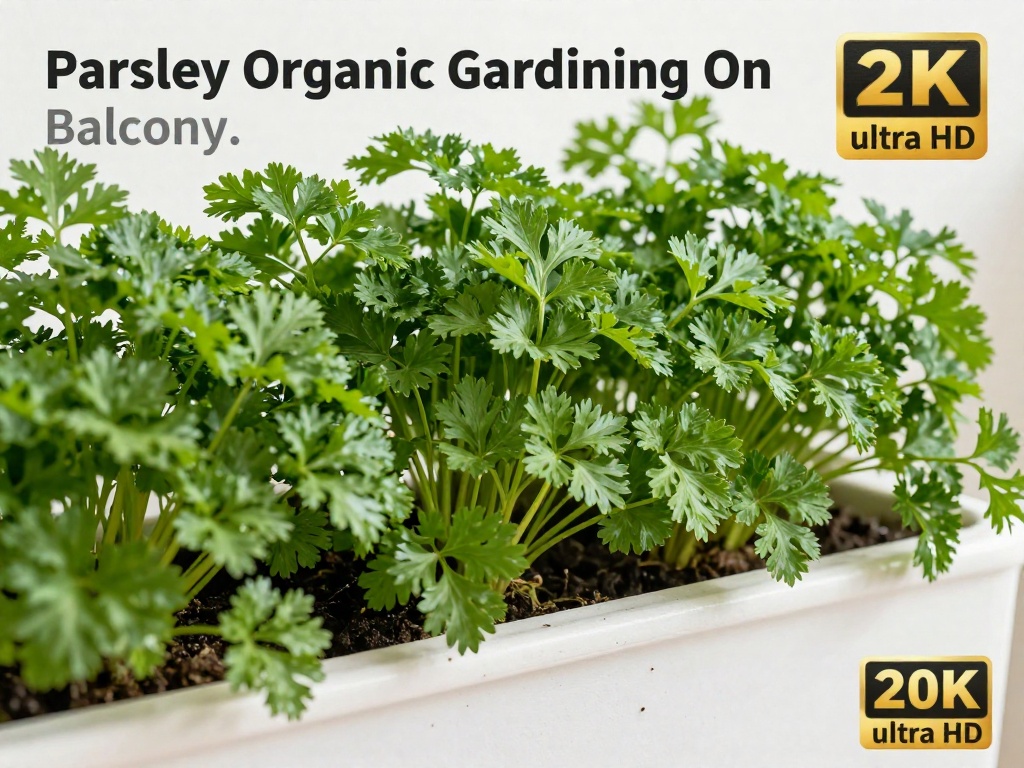
Parsley Organic Gardening on Balcony: 2026 Complete Guide
Imagine stepping onto your balcony and snipping fresh, vibrant parsley for your evening meal. Balcony parsley organic gardening makes this dream a reality, even in the smallest urban spaces. This complete guide walks you through every step to grow lush, chemical-free parsley right outside your door.
Why Choose Parsley for Your Balcony Garden
Parsley stands out as one of the most rewarding herbs for balcony cultivation. This versatile herb thrives in containers, tolerates partial shade, and produces abundant harvests throughout the growing season.
Benefits of Growing Parsley Organically
- No harmful pesticides or chemical fertilizers in your food
- Superior flavor compared to store-bought alternatives
- Cost-effective way to enjoy fresh herbs year-round
- Natural air purification for your balcony space
- Rich source of vitamins A, C, and K
Understanding Parsley Varieties
Two main varieties suit balcony organic gardening perfectly. Curly parsley offers decorative appeal and works wonderfully in containers. Flat-leaf Italian parsley delivers bolder flavor, making it ideal for cooking applications.
Essential Supplies for Balcony Parsley Gardening
Gathering the right materials sets you up for success from day one. Quality supplies ensure your parsley organic gardening on balcony endeavors flourish.
Choosing the Right Containers
Select pots with adequate drainage holes, ideally 6-8 inches deep. Terra cotta containers offer excellent breathability for roots. Self-watering planters reduce maintenance time and maintain consistent moisture levels.
Selecting Organic Soil and Amendments
Use certified organic potting mix specifically formulated for containers. Add perlite for improved drainage and coco coir for moisture retention. Mix in organic compost to provide slow-release nutrients throughout the season.
Step-by-Step Planting Process
Proper planting techniques establish strong root systems and vigorous growth. Follow these steps for optimal results in your balcony parsley organic gardening journey.
Sowing Parsley Seeds
Soak seeds in warm water for 24 hours before planting to improve germination rates. Sow seeds 1/4 inch deep in moist soil, spacing them 2-3 inches apart. Maintain soil temperature between 60-70°F for best germination, which typically takes 14-21 days.
Transplanting Seedlings
If starting indoors, transplant seedlings when they develop 2-3 true leaves. Handle carefully to avoid disturbing delicate roots. Plant at the same depth they grew previously and water thoroughly after transplanting.
Caring for Your Balcony Parsley
Consistent care produces abundant, healthy harvests. Master these essential practices for thriving parsley in your organic balcony garden.
Watering Requirements
Parsley prefers consistently moist soil but never waterlogged conditions. Water deeply when the top inch of soil feels dry, typically every 2-3 days during warm weather. Morning watering allows leaves to dry before evening, reducing disease risk.
Organic Fertilization Schedule
Feed parsley every 3-4 weeks with diluted organic liquid fertilizer. Fish emulsion, seaweed extract, or compost tea work excellently. Avoid over-fertilizing, which produces lush growth with diminished flavor concentration.
Sunlight and Positioning
Parsley thrives with 4-6 hours of direct sunlight daily but tolerates partial shade. Position containers where morning sun reaches plants, providing protection from intense afternoon heat during summer months.
Pest and Disease Management Organically
Organic methods protect your parsley while maintaining chemical-free growing conditions. Prevention and early intervention keep most issues under control.
Common Pests and Solutions
- Aphids: Spray with diluted neem oil solution
- Spider mites: Increase humidity and apply insecticidal soap
- Caterpillars: Handpick or use Bacillus thuringiensis (Bt)
- Whiteflies: Introduce beneficial insects or use yellow sticky traps
Preventing Common Diseases
Proper spacing ensures adequate air circulation around plants. Avoid overhead watering to prevent fungal issues. Remove yellowing or damaged leaves promptly to maintain plant health.
Harvesting and Preserving Your Parsley
Proper harvesting techniques encourage continuous production throughout the season. Know when and how to harvest for maximum yield.
Optimal Harvesting Techniques
Begin harvesting when stems have three or more segments. Cut outer stems first, leaving the center to continue growing. Regular harvesting prevents bolting and encourages bushier growth.
Storage and Preservation Methods
Fresh parsley stays viable in the refrigerator for up to two weeks when wrapped in damp paper towels. Freeze chopped parsley in ice cube trays with olive oil for convenient cooking portions. Dried parsley retains flavor for several months in airtight containers.
Troubleshooting Common Issues
Even experienced gardeners encounter challenges. Understanding symptoms helps you address problems quickly and effectively.
Yellowing Leaves
Yellow leaves often indicate overwatering or nutrient deficiency. Check drainage holes for blockages and adjust watering frequency. Apply organic compost or liquid fertilizer if soil appears depleted.
Slow Growth
Stunted growth typically results from insufficient light, root-bound conditions, or poor soil quality. Ensure adequate sunlight exposure and consider transplanting to larger containers with fresh organic soil.
Maximizing Your Balcony Garden Potential
Expand your parsley organic gardening on balcony efforts by implementing these advanced strategies for greater productivity and variety.
Companion Planting Ideas
Parsley grows harmoniously with tomatoes, peppers, and other herbs like basil and chives. This companionship deters pests naturally and maximizes limited balcony space efficiently.
Succession Planting Schedule
Start new parsley every 4-6 weeks to ensure continuous harvests. This approach guarantees fresh supply throughout the season and compensates for parsley's biennial growth cycle.
FAQ
How long does parsley take to grow on a balcony?
Parsley typically reaches harvestable size 70-90 days after planting from seed. Container-grown parsley on balconies may take slightly longer due to temperature variations and limited root space. Patience rewards you with robust, flavorful herbs.
Can parsley survive winter on a balcony?
Parsley tolerates light frosts and cool temperatures. In mild climates, plants may survive outdoors with protection. For colder regions, move containers indoors near a sunny window or use season extenders like cold frames or row covers.
What is the best month to plant parsley on a balcony?
Plant parsley seeds 4-6 weeks before your last expected frost date, typically late winter or early spring. In warm climates, fall planting also works well. Container placement allows flexibility to move plants as weather conditions change.
Why is my balcony parsley turning yellow?
Yellowing parsley results from overwatering, underwatering, nutrient deficiency, or natural leaf aging. Check soil moisture levels, ensure proper drainage, and feed with organic fertilizer. Remove affected leaves to encourage fresh, healthy growth.
No comments