
Pollinator Friendly Garden Design: 10 Expert Tips for Success
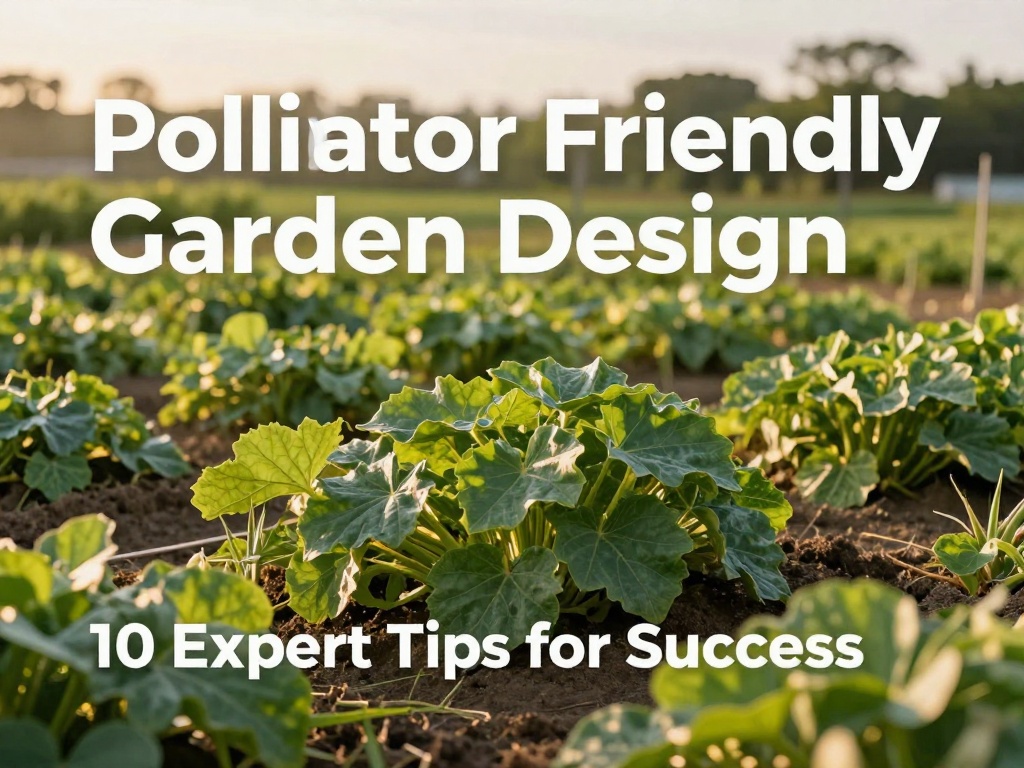
Pollinator Friendly Garden Design: 10 Expert Tips for Success
A pollinator friendly garden design transforms your outdoor space into a thriving ecosystem that supports bees, butterflies, and other beneficial insects. These gardens provide essential habitat while delivering stunning visual displays throughout the growing season. Whether you have a small backyard or acres of land, creating a pollinator-friendly space offers rewards that extend far beyond your property lines.
Why Pollinator Friendly Gardens Matter
Pollinators contribute to the reproduction of nearly 80% of flowering plants worldwide. Without these industrious creatures, our food systems would collapse and natural landscapes would dramatically change. By implementing thoughtful pollinator friendly garden design, you become part of a crucial conservation effort that addresses declining pollinator populations.
The Declining Pollinator Crisis
Bee populations have declined by nearly 40% in some regions over the past decade. Monarch butterfly numbers have dropped by more than 80% since the 1990s. Your garden can serve as a vital stepping stone habitat connecting fragmented natural areas and providing consistent food sources.
Benefits BeyondPollination
Beyond supporting pollinators, these gardens attract natural pest predators, improve soil health, and increase biodiversity in your local area. They also reduce the need for chemical pesticides and fertilizers, creating a healthier environment for your family and wildlife.
Essential Elements of Pollinator Friendly Garden Design
Successful pollinator gardens incorporate specific elements that address the needs of different pollinator species throughout their life cycles. Understanding these requirements helps you create a more effective and diverse habitat.
1. Provide Continuous Bloom Periods
Design your garden to include plants that bloom from early spring through late fall. This ensures pollinators have access to food sources throughout the entire growing season. Early-blooming crocuses and willows support hungry pollinators emerging from winter dormancy, while late-blooming asters and goldenrod provide crucial energy reserves before winter.
2. Choose Native Plant Species
Native plants evolved alongside local pollinator populations and provide optimal nutrition. These species are adapted to your local climate, soil conditions, and pests, making them easier to maintain. Research shows native plants support up to 10 times more pollinator species than non-native alternatives.
3. Include a Variety of Flower Shapes
Different pollinator species have evolved specialized mouthparts and body shapes. Include flat-flowered plants like coneflowers for butterflies, tubular flowers like honeysuckle for hummingbirds, and clustered blooms like lavender for bees. This diversity ensures various species can access nectar and pollen.
4. Create Shelter and Nesting Sites
Pollinators need more than just food—they require shelter for nesting, resting, and overwintering. Leave some bare soil for ground-nesting bees, install bee houses for cavity-nesting species, and maintain brush piles or perennial plant stems as habitat. Even small changes like leaving leaf litter until spring provides crucial overwintering shelter.
5. Provide Water Sources
Pollinators need water for survival, but they can easily drown in deep containers. Create safe water stations using shallow dishes with pebbles or floating cork pieces. Misting rocks and shallow birdbaths with entry points allow insects to hydrate safely without the risk of drowning.
Best Plants for Pollinator Friendly Gardens
Selecting the right plants forms the foundation of successful pollinator friendly garden design. Focus on incorporating species that provide abundant nectar and pollen while thriving in your specific growing conditions.
Top Plants for Bees
Bees respond exceptionally well to purple, blue, and yellow flowers. Lavender, borage, sunflowers, and wild bergamot rank among the most attractive plants for honeybees and native bee species. Clover in lawn areas provides additional foraging opportunities without dedicated garden space.
Butterfly favorites
Butterflies require both nectar plants for adults and host plants for caterpillars. Milkweed serves as the essential host plant for monarch caterpillars, while butterfly bush, zinnias, and phlox provide excellent nectar sources. Including flat-topped flowers makes feeding easier for these delicate insects.
Moth and Hummingbird Plants
Night-blooming flowers like moonflower, evening primrose, and jasmine attract moths and support the nighttime pollinators often overlooked. Hummingbirds prefer tubular red and orange flowers, making bee balm, cardinal flower, and coral honeysuckle excellent choices for your design.
Garden Layout Strategies
Thoughtful layout maximizes the effectiveness of your pollinator friendly garden design while creating an attractive outdoor space. Consider how pollinators move through and interact with your garden when planning bed placement and plant groupings.
Cluster Planting for Maximum Impact
Grouping plants of the same species together in clusters of three to five makes them more visible and efficient for pollinators. Instead of scattering single plants throughout beds, concentrate varieties to create "target zones" that insects can easily locate and exploit fully before moving to the next cluster.
Create Connected Pathways
Design winding paths that encourage visitors to meander through the garden while allowing pollinators to move safely between flowering areas. Avoid solid barriers that interrupt travel corridors, and consider creating sunny resting spots where insects can warm themselves on cool mornings.
Sun and Shelter Considerations
Most pollinators are sun-loving insects that require warm temperatures to fly effectively. Position the sunniest areas of your garden for the most nectar-rich plants while providing some sheltered spots where insects can rest during windy conditions or extreme heat.
Seasonal Maintenance forPollinator Success
Proper maintenance ensures your pollinator friendly garden design remains productive year after year. Understanding what to do—and what not to do—protects the insects that depend on your garden throughout their life cycles.
Spring Preparation
Delay spring cleanup until temperatures consistently reach 50°F or higher. Many pollinators overwinter in plant stems, leaf litter, and bare soil. When you do clean, work carefully and compost material rather than disposing of it, giving any remaining insects time to emerge safely.
Summer Care
Allow some areas to grow slightly wild, as over manicured gardens lack the structural diversity pollinators need. Deadhead flowers to encourage extended blooming, and avoid using any pesticides—even organic options can harm beneficial insects. Water consistently during dry periods, as drought stress reduces nectar production.
Fall and Winter Strategy
Reduce fall cleanup efforts and leave most stems standing through winter. Many native bees nest in hollow plant stems, and countless insects overwinter in seed heads and plant debris. Cut back vegetation in early spring once temperatures warm, but always leave some areas undisturbed year-round.
Common Mistakes to Avoid
Avoiding these pitfalls ensures your pollinator friendly garden design reaches its full potential and provides genuine benefits to pollinator populations.
- Planting only ornamental hybrids: Double-flowered varieties often lack pollen and nectar accessible to insects
- Using pesticides: Even organic treatments can harm beneficial insects; embrace some plant damage as acceptable
- Installing invasive species: Research plants carefully; aggressive spreaders can escape and damage local ecosystems
- Creating isolated gardens: Connect your garden to nearby natural areas or coordinate with neighbors for greater impact
- Neglecting winter habitat: The off-season provides crucial shelter; avoid sterile winter landscapes
Getting Started Today
Begin your pollinator friendly garden design journey by assessing your current space and identifying small changes that make big impacts. Start with three to five pollinator-preferred plants adapted to your region, and expand gradually as you learn what thrives in your conditions.
Even a single container of pollinator-friendly flowers on a balcony provides value to passing insects. Every garden, regardless of size, contributes to the larger network of habitats that support declining pollinator populations. Your choices today create ripples of positive impact throughout your local ecosystem.
Frequently Asked Questions
What is the best time of year to start a pollinator friendly garden?
Fall offers excellent planting conditions in most regions, allowing roots to establish through winter. However, spring planting works well too—just plan your design during winter and install plants after the last frost. Container gardens can be started anytime during the growing season.
How much space do I need for a pollinator friendly garden?
Any space works—even a 4×4 foot garden bed or several containers can support pollinators. Small spaces benefit from concentrated plantings, while larger areas allow for diverse habitat zones. The key is providing consistent food sources rather than meeting a minimum size requirement.
Do I need to maintain a pollinator friendly garden differently than a traditional garden?
Yes—adopt a "less is more" approach. Reduce soil disturbance, leave plant debris through winter, avoid pesticides, and embrace some aesthetic imperfection. Your garden will look wilder than a manicured landscape, but the ecological benefits justify the change in maintenance philosophy.
Which pollinators should I focus on supporting in my region?
Research native pollinator species in your area to identify the most beneficial plants. Regional native plant societies and cooperative extension offices provide excellent resources for understanding local pollinator populations and their specific habitat requirements.
No comments