
Ladybug Release for Greenhouse Aphid Control: 2024 Step-by-Step Guide
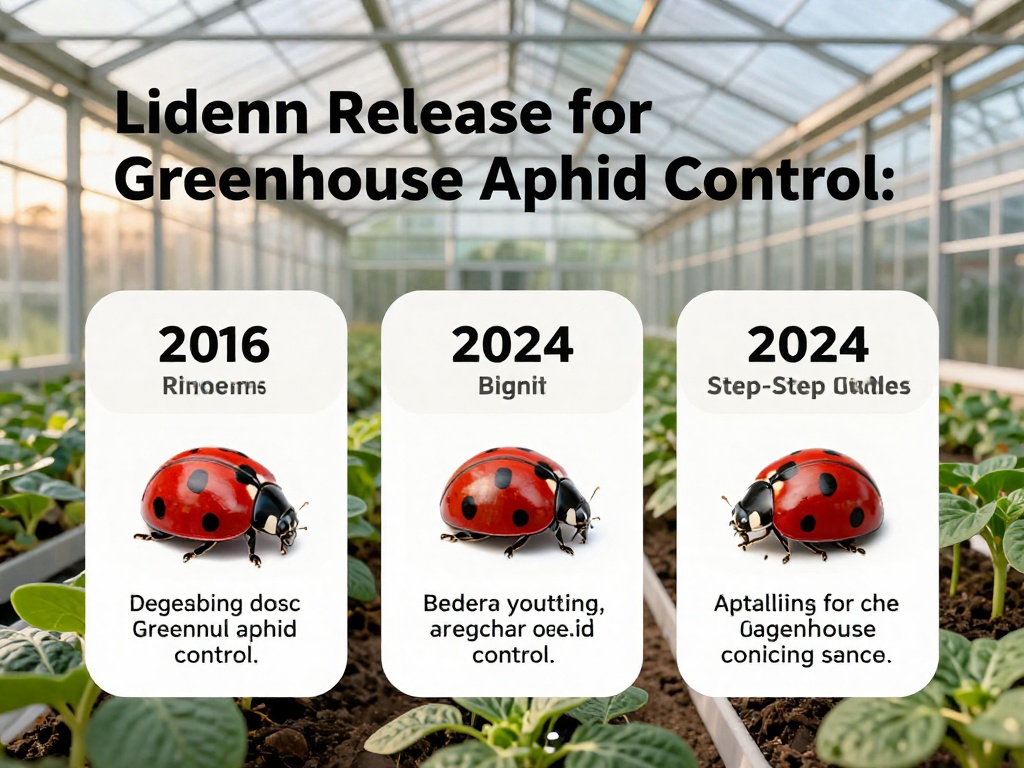
Ladybug Release for Greenhouse Aphid Control: 2024 Step-by-Step Guide
Ladybug release for greenhouse aphid control is one of the most effective organic pest management strategies for small and commercial greenhouse operators alike. University of Massachusetts Extension data shows that a single adult ladybug can eat up to 50 aphids per day, making them a far more sustainable alternative to synthetic chemical sprays. This natural approach also preserves pollinator health and avoids harmful residues on edible crops like tomatoes, leafy greens, and peppers.
Why Ladybugs Outperform Traditional Aphid Control Methods
Proven Efficacy Against Common Greenhouse Aphid Species
Greenhouse operators often battle aphid species like the green peach aphid and cotton aphid, which reproduce rapidly and can decimate a crop in 2-3 weeks. Unlike synthetic pesticides that can lead to permanent aphid resistance over time, ladybugs feed on all life stages of aphids, preventing dangerous population rebounds. A 2023 study from the University of California Agriculture and Natural Resources found that targeted ladybug releases reduced aphid populations by 92% within 10 days in commercial tomato greenhouses.
Low Long-Term Cost For Small-Scale Growers
For a 1,000 square foot greenhouse, a batch of 1,000 ladybugs costs roughly $20, compared to an average of $80 per growing season for synthetic aphid sprays. Ladybugs also self-sustain in most greenhouse environments if there is a steady food source, meaning you may only need to restock every 2-3 growing seasons. This low investment delivers consistent returns for hobbyist and small-scale commercial growers operating on tight budgets.
Step-by-Step Guide To Successful Ladybug Release
Source Healthy, Native Ladybug Species
Not all ladybugs are suited for greenhouse pest control. Avoid non-native Asian lady beetles, which can bite humans and outcompete native beneficial insect species. Instead, source convergent lady beetles (Hippodamia convergens) from reputable suppliers that guarantee disease-free, sustainably harvested specimens. Always order your ladybugs to arrive right before you plan to release them to avoid stress and high mortality during shipping.
Time Releases Correctly For Maximum Survival
Release ladybugs at dusk, when cooler greenhouse temperatures prevent them from flying away immediately to establish territory in your growing space. Avoid releasing during midday heat, which can cause more than 50% mortality among newly introduced ladybugs. You should also time releases when aphid populations are first detectable, not when they have reached outbreak levels, to give ladybugs enough time to gain control of the pest population.
Prep Your Greenhouse To Support Ladybug Longevity
Before releasing your ladybugs, spray plant surfaces with a light sugar water solution (1 part sugar to 10 parts water) to give them an immediate food source while they locate aphid colonies. Add small, shallow trays of water with pebbles to prevent drowning, giving ladybugs a reliable water source. Avoid using any residual synthetic pesticides for at least two weeks before releasing ladybugs, as these chemicals will kill your beneficial insect population.
Frequently Asked Questions About Ladybug Release for Greenhouse Aphid Control
How many ladybugs do I need for my greenhouse?
For most small to medium greenhouses, plan to release 10-20 ladybugs per square foot of growing space. If you already have a high aphid population, double that number to 20-40 ladybugs per square foot to gain control quickly. Commercial operators with large acreage often work with pest management specialists to calculate release rates tailored to their specific crop and aphid load.
Will ladybugs harm my greenhouse plants or pollinators?
No, native ladybug species only feed on soft-bodied pests like aphids, mealybugs, and spider mites. They do not chew on leaves, flowers, or fruit, and they coexist peacefully with bees and other pollinators. Unlike broad-spectrum pesticides, ladybug release supports a balanced greenhouse ecosystem that benefits all beneficial insects.
Can I reuse ladybugs from a previous growing season?
If your greenhouse stays warm year-round and has a steady supply of pests, ladybugs can often overwinter and reproduce to sustain their population for multiple seasons. If you operate a seasonal greenhouse that is emptied and deep cleaned each year, you will need to release new ladybugs at the start of each growing cycle to reinstate consistent pest control.
No comments