
Pumpkin Organic Gardening in Raised Beds: 2026 Complete Guide
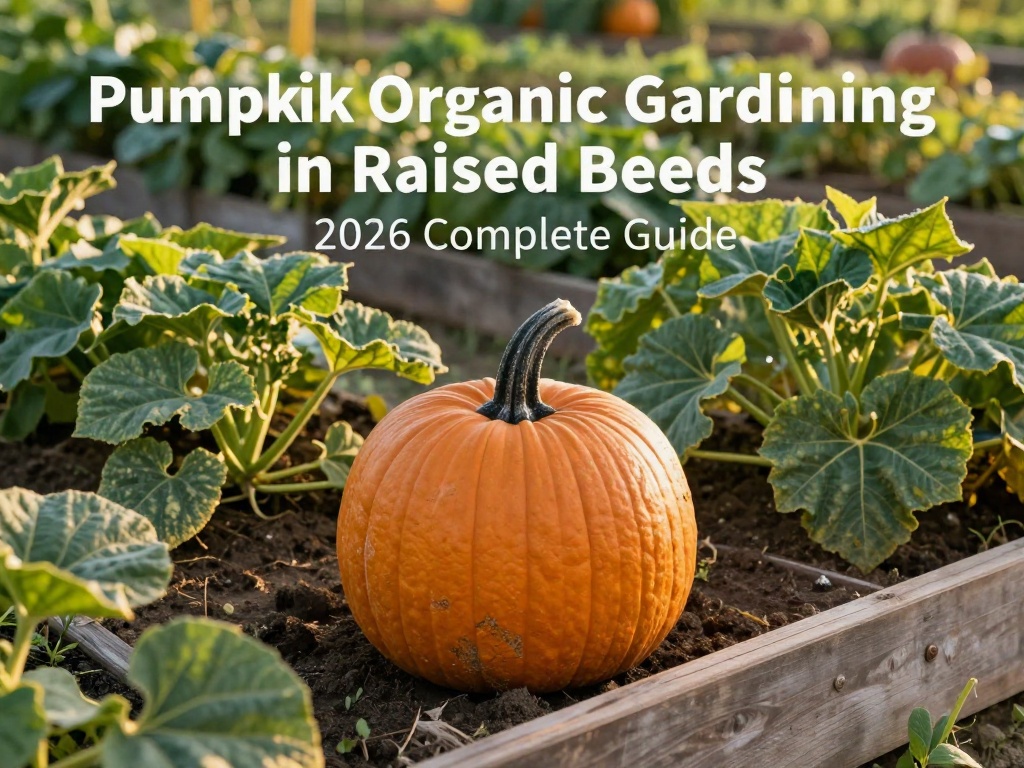
Pumpkin Organic Gardening in Raised Beds: 2026 Complete Guide
Growing pumpkins organically in raised beds offers an excellent solution for gardeners dealing with poor soil, limited space, or drainage issues. This method combines the benefits of organic gardening with the practical advantages of raised bed cultivation, resulting in healthier plants and more abundant harvests. Whether you are a beginner or an experienced gardener, raised beds can transform your pumpkin-growing experience.
The practice of pumpkin organic gardening in raised beds has gained significant popularity among home gardeners seeking sustainable, chemical-free approaches to food production. By controlling the growing environment, you can produce delicious, nutrient-rich pumpkins while minimizing pest problems and disease pressure naturally.
Why Choose Raised Beds for Pumpkin Gardening?
Raised beds provide numerous advantages that make them ideal for growing pumpkins organically. The elevated structure improves soil drainage, which pumpkins desperately need, as they are susceptible to root rot in waterlogged conditions. Additionally, raised beds warm up faster in spring, allowing you to plant earlier and extend your growing season.
Soil quality becomes entirely within your control when using raised beds. You can create the perfect organic growing medium tailored specifically for pumpkins, free from contaminants and rich in the nutrients these hungry plants require. This control is particularly valuable for organic gardeners who want to ensure their produce remains truly chemical-free from soil to harvest.
Space Efficiency and Accessibility Benefits
Pumpkins grown in raised beds can be trained to grow vertically or in designated areas, maximizing your garden space efficiently. The contained environment also makes it easier to implement companion planting strategies and maintain proper spacing between plants. Raised beds reduce the need for bending and kneeling, making gardening more accessible for people with mobility concerns.
Preparing Your Raised Bed for Pumpkins
Successful pumpkin organic gardening in raised beds begins with proper bed preparation. The minimum recommended size for growing pumpkins is 4 feet wide and 12 inches deep, though deeper beds of 18-24 inches produce better results. This depth accommodates the extensive root system pumpkins develop while ensuring adequate moisture retention during hot summer months.
Position your raised bed in a location receiving at least 8 hours of direct sunlight daily. Pumpkins are sun-loving plants that struggle in shaded environments. East to west orientation typically maximizes sun exposure throughout the day, helping your plants develop strong, disease-resistant vines.
Creating the Perfect Organic Soil Mix
The ideal soil mix for pumpkin organic gardening in raised beds combines equal parts compost, aged manure, and topsoil. Add perlite or coarse sand to improve drainage, as pumpkins prefer moist but not soggy conditions. Incorporate organic amendments like bone meal for phosphorus and blood meal for nitrogen to support healthy vine growth and fruit development.
Aim for a soil pH between 6.0 and 6.8, which is slightly acidic and optimal for pumpkin nutrient uptake. Test your soil annually and amend as needed with lime to raise pH or sulfur to lower it. This attention to soil chemistry distinguishes successful organic gardeners from those who struggle with poor yields.
Selecting Pumpkin Varieties for Raised Bed Growing
Not all pumpkin varieties perform equally well in raised beds. Compact bush varieties like "Small Sugar," "Baby Bear," and "Jacks Little" are specifically bred for smaller spaces and adapt excellently to container and raised bed cultivation. These varieties produce smaller fruits typically weighing 5-10 pounds, perfect for pie-making and decorative use.
If you prefer larger pumpkins, consider "Cinderella" (Rouge Vif d'Etampes), "Kabocha," or "Butternut" varieties that can be trained to grow vertically on sturdy supports. Vertical growing saves ground space while creating an attractive garden feature. Choose disease-resistant varieties whenever possible to reduce the need for organic pest interventions.
Understanding Spacing Requirements
Proper spacing is critical for successful pumpkin organic gardening in raised beds. Bush varieties require 3-4 feet between plants, while vining types need 4-6 feet of spacing. In a standard 4-foot wide raised bed, you can typically accommodate one large pumpkin plant or two bush variety plants, depending on your training methods.
Overcrowding leads to poor air circulation, increased disease pressure, and stunted fruit development. When planning your layout, consider that each pumpkin plant can produce 2-5 fruits depending on variety and growing conditions. Plan accordingly to avoid disappointment and ensure each fruit has enough space to develop to its full potential.
Planting and Germination Tips
Direct sow pumpkin seeds in raised beds after all danger of frost has passed and soil temperatures reach at least 70°F (21°C). In most regions, this corresponds to late spring or early summer. Plant seeds 1 inch deep in groups of three, spacing groups according to your chosen variety's requirements. Thin seedlings to the strongest plant per group after germination.
For earlier harvests, start seeds indoors in biodegradable pots 2-3 weeks before the last expected frost. Transplant carefully to avoid disturbing the taproot, as pumpkins are sensitive to transplant shock. Water thoroughly after planting and maintain consistent moisture until seedlings establish themselves in their new environment.
Mulching for Moisture Retention
Apply a 3-4 inch layer of organic mulch around pumpkin plants once they are established. Straw, shredded leaves, or grass clippings work excellently for this purpose. Mulching conserves soil moisture, suppresses weed growth, and gradually adds organic matter to the soil as it decomposes, supporting your organic gardening philosophy.
Reflective mulches like silver plastic can deter aphids and other flying insects, while darker organic mulches warm the soil and encourage faster fruit development. Choose mulches based on your specific pest pressures and growing objectives for best results in your pumpkin organic gardening in raised beds endeavor.
Organic Care and Maintenance
Pumpkins are heavy feeders requiring regular nutrition throughout the growing season. Side-dress plants with compost tea or well-aged manure every 2-3 weeks during active growth. This supplemental feeding supports the rapid vine development and fruit swelling that occurs during summer months. Watch for signs of nutrient deficiency, including yellowing leaves indicating nitrogen shortage.
Deep watering is preferable to frequent shallow irrigation. Provide 1-2 inches of water weekly, either through rainfall or supplemental irrigation. Water at the base of plants to keep foliage dry and reduce fungal disease risk. Drip irrigation systems work exceptionally well in raised beds, delivering water directly to the root zone where pumpkins need it most.
Managing Vine Growth and Fruit Development
Pumpkin vines can become quite vigorous, often exceeding 20 feet in length. Prune secondary vines to redirect energy toward fruit production rather than excessive vegetative growth. Remove any fruits that develop misshapen or show signs of disease promptly to prevent spread and encourage healthier remaining pumpkins.
Place boards, wooden pallets, or mulch beneath developing fruits to prevent rot and protect against soil-borne diseases. This simple practice elevates pumpkins above moist soil, reducing the risk of the fungal infections that commonly affect fruits resting directly on wet ground.
Pest and Disease Management Naturally
Organic pest control in pumpkin gardening relies heavily on prevention and cultural practices. Rotate your crops annually to disrupt pest and disease cycles that build up in soil over time. Encourage beneficial insects like ladybugs, lacewings, and parasitic wasps by planting companion flowers such as marigolds, nasturtiums, and dill around your raised beds.
Common pumpkin pests include squash bugs, cucumber beetles, and vine borers. Handpick visible pests early in the morning when they are sluggish. Install floating row covers at planting time to exclude insects, removing them when flowers appear to allow pollination. Neem oil spray serves as an effective organic deterrent for many common pumpkin pests.
Preventing Common Pumpkin Diseases
Fungal diseases like powdery mildew, downy mildew, and anthracnose pose significant threats to pumpkins grown in humid conditions. Ensure adequate plant spacing for air circulation, water at soil level rather than overhead, and remove affected plant material immediately. Baking soda sprays (1 tablespoon per gallon water) can help control powdery mildew organically.
Bacterial wilt, transmitted by cucumber beetles, causes rapid vine decline. Controlling beetle populations through handpicking and yellow sticky traps helps prevent this devastating disease. Choosing disease-resistant varieties provides the most reliable defense against soil-borne pathogens in raised bed systems.
Pollination and Fruit Set
Pumpkins produce both male and female flowers, with pollination requiring transfer of pollen from male to female blooms. Bees and other pollinators typically handle this naturally, but poor pollination results in small, shriveled fruits that abort before developing. Encourage pollinators by avoiding broad-spectrum pesticides and planting diverse flowering plants nearby.
Hand pollination ensures reliable fruit set when natural pollinators are scarce. Identify female flowers by the small fruit swelling at their base; male flowers grow on long, slender stems. Transfer pollen using a small paintbrush or by gently rubbing male and female flowers together. Perform hand pollination during early morning for best results.
When to Expect Mature Fruits
Pumpkins typically require 90-120 days from planting to reach maturity, depending on variety and growing conditions. Fruits are ready for harvest when the rind hardens and resists fingernail pressure, the stem begins to crack and corkscrew, and the fruit reaches its characteristic mature color. Cut pumpkins from vines with several inches of stem attached.
Cure harvested pumpkins in a warm, dry location for 10-14 days before storage. This curing process toughens the skin and extends storage life to several months. Properly cured and stored pumpkins can last through winter, providing homegrown food security and reducing grocery dependence.
Troubleshooting Common Raised Bed Pumpkin Problems
Yellowing leaves often indicate nitrogen deficiency, overwatering, or root damage. Examine your watering practices and consider side-dressing with nitrogen-rich organic fertilizer if symptoms persist. Wilting despite adequate moisture suggests root rot, verticillium wilt, or vine borer damage requiring immediate investigation.
Fruits failing to develop or rotting at the blossom end suffer from incomplete pollination or blossom end rot due to calcium deficiency and inconsistent watering. Maintain steady moisture levels and ensure adequate calcium through bone meal or crushed eggshells worked into the soil around plants.
Addressing Poor Growth and Low Yields
Insufficient sunlight, poor soil nutrition, or overcrowding commonly cause disappointing pumpkin yields. Evaluate your site conditions honestly and make necessary adjustments for next season. Remember that healthy pumpkin leaves should be large, dark green, and free from spots or discoloration.
Excessive nitrogen fertilization produces luxuriant vines with few or no fruits. If your plants look lush but produce nothing, reduce nitrogen applications and increase phosphorus and potassium to encourage flowering and fruit development. Balance is essential throughout the growing season.
Extending Your Pumpkin Harvest Season
Succession planting allows you to harvest pumpkins over an extended period rather than all at once. Plant varieties with different maturity dates at two-week intervals throughout late spring and early summer. This strategy ensures continuous harvest from late summer through fall frost, maximizing your enjoyment of homegrown pumpkins.
Using cold frames or row covers over raised beds can protect plants from early fall frosts, extending your harvest by several weeks. Monitor weather forecasts and be prepared to cover plants when freezing temperatures threaten. Even brief frost protection can make the difference between a successful harvest and lost fruits.
Conclusion
Pumpkin organic gardening in raised beds represents a sustainable, efficient approach to producing healthy, chemical-free pumpkins in any garden space. By controlling soil quality, improving drainage, and optimizing growing conditions, raised beds help gardeners overcome common challenges and achieve impressive results. The key to success lies in proper bed preparation, appropriate variety selection, and consistent organic care throughout the season.
Whether you grow pumpkins for cooking, decoration, or seasonal celebrations, the satisfaction of harvesting your own organic produce is unmatched. Start small, learn from your experiences, and refine your techniques season after season. Your efforts will reward you with abundant harvests of delicious, homegrown pumpkins while supporting a more sustainable food system.
FAQ
What is the best soil mix for growing pumpkins in raised beds organically?
The ideal organic soil mix combines equal parts quality compost, aged manure, and native topsoil, amended with perlite or coarse sand for drainage. Maintain a slightly acidic pH between 6.0 and 6.8, and enrich with organic amendments like bone meal and blood meal for optimal pumpkin nutrition throughout the growing season.
How many pumpkin plants can I grow in a 4x8 raised bed?
In a 4x8 raised bed, you can comfortably grow 2-4 pumpkin plants depending on variety. Plant bush varieties 3-4 feet apart or train vining types to grow vertically on sturdy supports. This spacing ensures adequate air circulation and prevents the disease problems that arise from overcrowded plants.
When should I plant pumpkin seeds in raised beds?
Direct sow pumpkin seeds in raised beds 2-3 weeks after your last expected frost, when soil temperatures reach at least 70°F (21°C). In most regions, this falls between late spring and early summer. Raised beds warm faster than ground soil, allowing slightly earlier planting than traditional garden beds.
How do I control pests organically in my pumpkin raised bed?
Control pumpkin pests organically through integrated methods: handpick visible insects, install floating row covers, encourage beneficial insects with companion plantings, and apply neem oil or insecticidal soap as needed. Crop rotation, proper spacing, and healthy soil create conditions where plants resist pest damage naturally.
Why are my pumpkins rotting on the vine in my raised bed?
Pumpkin fruit rot typically results from inadequate pollination, inconsistent watering, or fruits resting on wet soil. Ensure complete pollination through hand pollination if needed, maintain steady soil moisture, and elevate developing fruits using boards or thick mulch to prevent contact with moist soil surfaces.
No comments