
Mulching Your Vegetable Garden in Spring: The Complete Guide
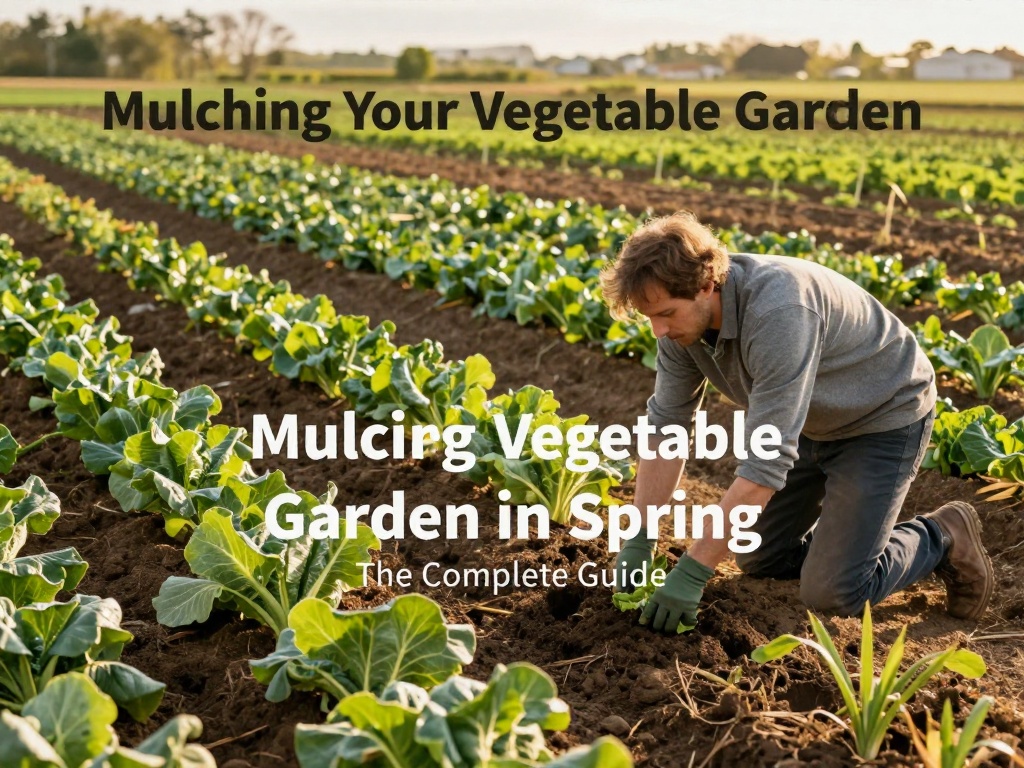
Mulching Your Vegetable Garden in Spring: The Complete Guide
Spring marks the perfect time to start mulching your vegetable garden for maximum plant health and reduced maintenance. Mulching vegetable garden spring properly can increase your yield by up to 25% while dramatically reducing weeds and water needs. This comprehensive guide covers everything you need to know about spring mulching techniques, materials, and timing.
Why Spring Mulching Matters for Your Vegetable Garden
Spring is the ideal season to establish mulch because it captures soil moisture before summer heat arrives. Proper spring mulching creates a protective barrier that regulates soil temperature, prevents erosion, and suppresses weed germination during critical growth periods.
The Benefits of Early Spring Mulching
- Retains soil moisture during unpredictable spring weather
- Suppresses weed competition when vegetables are most vulnerable
- Moderates soil temperature fluctuations that stress young plants
- Improves soil structure as organic mulches decompose
- Reduces soil-borne disease splash-back onto plant foliage
7 Best Mulch Materials for Spring Vegetable Gardens
1. Straw (Not Hay)
Straw makes an excellent spring mulch for vegetable gardens because it's weed-free and decomposes slowly. Apply 4-6 inches of straw around plants like tomatoes, peppers, and squash. Straw breaks down over the season, adding valuable organic matter to your soil.
2. Shredded Leaves
Fall leaves saved over winter create nutrient-rich mulch when shredded. A 3-4 inch layer works well for most vegetables. Shredded leaves improve soil structure and attract beneficial earthworms as they decompose.
3. Grass Clippings
Fresh grass clippings provide quick nitrogen to developing plants. Apply thin layers (1-2 inches) at a time, allowing each layer to dry before adding more. Never use clippings from lawns treated with herbicides or pesticides.
4. Compost
Compost serves as both mulch and fertilizer, feeding plants while protecting soil. Apply 2-3 inches around vegetables for optimal results. This is particularly beneficial for heavy-feeding crops like corn and tomatoes.
5. Wood Chips and Bark
Best reserved for paths and around perennial vegetables like asparagus and rhubarb. Wood chips decompose slowly and may temporarily tie up nitrogen if mixed into soil. Keep these away from direct plant contact.
6. Newspaper and Cardboard
Layer newspaper (5-6 sheets) or cardboard beneath organic mulches for extra weed suppression. This combination creates an excellent weed barrier while eventually decomposing into the soil.
7. Living Mulch (Cover Crops)
Crimson clover and other low-growing cover crops planted between rows fix nitrogen and suppress weeds naturally. These living mulches require mowing but provide ongoing benefits throughout the growing season.
When to Apply Spring Mulch: Timing Guidelines
Timing your spring mulching correctly determines its effectiveness. Apply mulch after the soil has warmed but before summer heat arrives. In most regions, this means waiting 2-3 weeks after planting transplants to allow soil to warm naturally.
Signs Your Garden is Ready for Mulch
- Soil temperature reaches 60°F (15°C) at 4-inch depth
- Seedlings are established with true leaves visible
- Transplants show new growth after hardening off
- Spring rains begin to decrease in frequency
How to Apply Mulch Correctly in Spring
Proper application technique ensures your spring mulching delivers maximum benefits. Follow these steps for best results:
Step-by-Step Application Process
- Remove all existing weeds and debris from the garden bed
- Water the soil thoroughly before applying mulch
- Apply mulch 2-4 inches deep depending on material fineness
- Leave 2-inch gaps around plant stems to prevent rot
- Extend mulch to the drip line of each plant
- Replenish mulch as it decomposes throughout the season
Common Spring Mulching Mistakes to Avoid
Mistake 1: Mulching Too Early
Applying mulch to cold, wet soil prevents warming and can lead to root rot. Wait until soil temperatures rise consistently above 55°F.
Mistake 2: Piling Mulch Against Plant Stems
This "volcano mulching" creates moisture against stems, inviting fungal diseases and pest damage. Always maintain a clear gap around each plant's base.
Mistake 3: Using the Wrong Materials
Avoid hay (contains weed seeds), wood chips near vegetables (nitrogen tie-up), and synthetic materials that don't improve soil health.
Mistake 4: Applying Mulch Too Thinly
Layers less than 2 inches fail to suppress weeds effectively. Thin mulch also dries out quickly, defeating moisture retention purposes.
Spring Mulching Tips for Specific Vegetables
Different vegetables have varying mulch requirements based on their growth habits and root systems. Understanding these differences helps optimize your spring mulching strategy.
Warm-Season Crops
Tomatoes, peppers, eggplant, and squash thrive with thick mulch (4-6 inches) that retains heat. Mulch these crops heavily after soil warms to accelerate fruiting.
Cool-Season Crops
Lettuce, spinach, peas, and radishes prefer lighter mulch (2-3 inches) to maintain cooler soil temperatures during unpredictable spring weather.
Root Vegetables
Carrots, beets, and potatoes benefit from mulch that keeps soil loose and prevents crusting. Avoid heavy mulching that might impede germination.
FAQ
What is the best time to start mulching a vegetable garden in spring?
The optimal time to begin mulching your vegetable garden in spring is 2-3 weeks after transplanting seedlings or when direct-seeded crops show their first true leaves. Wait until soil temperature reaches at least 60°F (15°C) to ensure proper root development and avoid slowing plant growth.
Can I use wood chips as mulch for my spring vegetable garden?
Wood chips are not recommended directly around vegetable plants because they decompose slowly and can temporarily tie up nitrogen in the soil. Instead, use wood chips for garden paths and reserve straw, grass clippings, or compost for planting areas where vegetables grow.
How thick should spring mulch be applied around vegetables?
Spring mulch should be applied 2-4 inches deep depending on the material used. Finer materials like grass clippings require thinner layers (2 inches), while coarser materials like straw can be applied thicker (4-6 inches). The goal is to suppress weeds while allowing water and air to penetrate the soil.
Should I remove old mulch before applying new spring mulch?
In most cases, you can add fresh mulch on top of existing organic mulch without removal. Simply rake the old mulch lightly to break up any compacted layers, then apply 1-2 inches of new material. Remove only mulch that shows signs of disease or excessive compaction.
No comments