
2026 Essential Guide: Mint Root Barriers for Garden Containment to Stop Spread
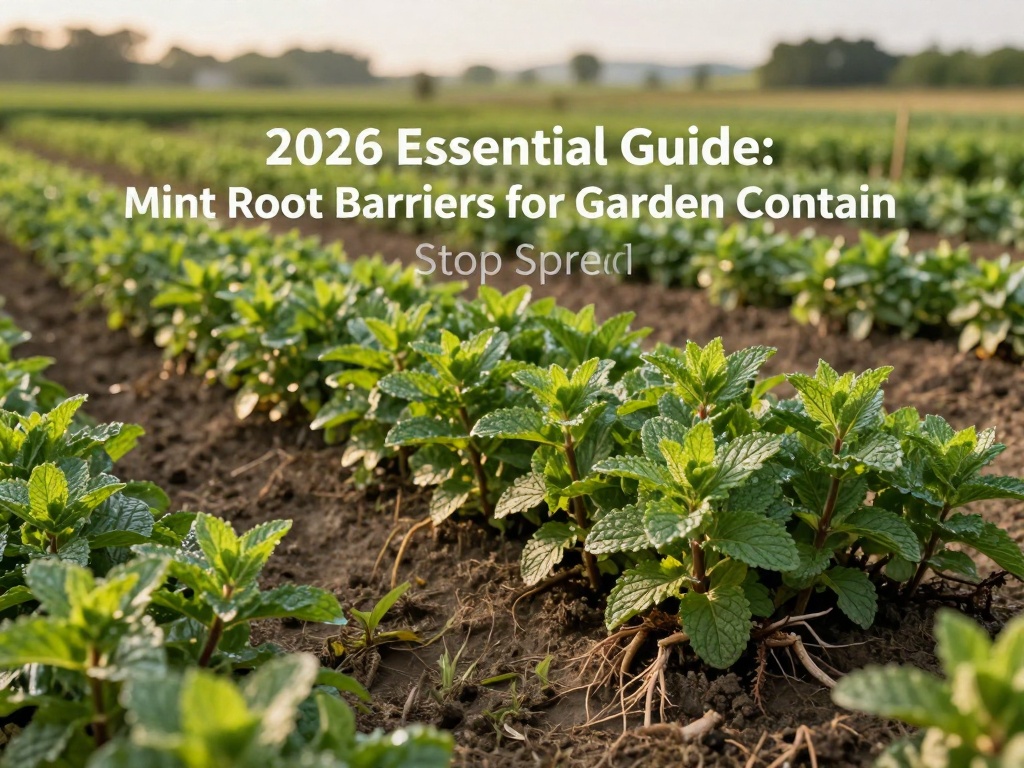
2026 Essential Guide: Mint Root Barriers for Garden Containment to Stop Invasive Spread
Mint is a beloved herb for teas, cooking, and pollinator gardens, but its aggressive spreading rhizomes can quickly overrun flower beds, vegetable plots, and neighboring plants. Mint root barriers for garden containment are the most reliable, long-term solution to keep your mint patch manageable without harming the plant. Unlike temporary fixes like shallow raised beds, root barriers block horizontal rhizome growth while allowing vertical root development to keep your mint healthy and productive.
Why Mint Spreads Faster Than Most Common Garden Herbs
The Rhizome Growth Cycle That Makes Mint Invasive
Unlike most herbs that grow from a single central root system, mint spreads via thin, fast-growing underground stems called rhizomes. USDA agricultural data shows mint rhizomes can grow up to 6 feet outward in a single growing season, sending up new mint shoots every few inches along their path. This growth pattern lets mint outcompete almost any other plant that shares its garden space.
Risks of Uncontrolled Mint Growth in Home Gardens
Unchecked mint growth creates long-term problems for home gardeners, including:
- Outcompeting native wildflowers and vegetable plants for sunlight, water, and soil nutrients
- Cracking concrete patios, foundation gaps, and underground sewer lines over 3-5 years of unmanaged growth
- Being extremely difficult to fully remove once established, requiring full excavation of all rhizomes
- Crossing property lines to invade neighboring gardens, leading to landscape maintenance conflicts
How to Choose the Right Mint Root Barrier for Your Space
Recommended Barrier Materials for Long-Term Use
Not all root barriers are created equal, and low-cost options will fail to contain mint long-term. University of Minnesota Extension research recommends 40-mil thick EPDM rubber or rigid HDPE plastic for mint root barriers, as these materials last 20+ years and resist tearing from soil expansion or garden maintenance. Avoid thin landscape fabric or plastic tarps, which degrade in 2-3 years and let rhizomes slip through small tears.
Correct Barrier Dimensions to Block Rhizome Spread
To fully contain mint, your root barrier must meet specific size requirements to block rhizomes from climbing over or growing under the barrier. The barrier needs to be 24 inches deep to stop 99% of mint rhizomes, which rarely grow deeper than 20 inches in most garden soils. You also need to leave 2 inches of the barrier above the soil line to block rhizomes from growing over the edge, and extend the barrier 1 foot beyond the intended perimeter of your mint patch to catch stray growth.
Step-by-Step Installation of Your Root Barrier
Installing a mint root barrier is a straightforward weekend project that requires only basic garden tools. Start by digging a 24-inch deep trench around the area where you plan to plant your mint. Remove any existing weeds or stray rhizomes from the trench to prevent pre-installation spread.
Next, place the barrier in the trench, ensuring the 2-inch above-grade edge is consistent along the entire perimeter. Seal any seams between barrier sections with waterproof EPDM tape to eliminate gaps that rhizomes can slip through. Backfill the trench with your original garden soil, pressing it firmly around the barrier to avoid air pockets.
Finally, plant your mint starts inside the contained area and water deeply to establish roots. You can also install barriers around existing mint patches by carefully digging around the patch’s perimeter to avoid damaging the main root system during installation.
Maintain Your Contained Mint Patch Long-Term
Once your barrier is installed, plan a yearly check-up of your mint patch each spring. Trim any rhizomes that manage to grow over the 2-inch above-grade edge of the barrier to prevent spread. Harvest mint regularly to keep the plant healthy and limit its ability to put excess energy into spreading growth. Fertilize once a year in early spring to replenish soil nutrients, as the contained space limits the plant’s access to far-reaching soil resources.
Frequently Asked Questions About Mint Root Barriers
Can I use a raised bed instead of a root barrier for mint?
Standard 12-inch deep raised beds are not sufficient to contain mint, as rhizomes can grow out of drainage holes or climb over the bed’s edges. Adding a root barrier to the base and sides of a raised bed creates a reliable double layer of protection, per Oregon State University Extension guidelines.
Can root barriers be used for other invasive garden plants?
Yes, the same 40-mil EPDM root barriers that work for mint also contain other invasive spreading plants, including bamboo, creeping Charlie, and horseradish. Adjust the depth of the barrier to match the specific root growth pattern of the plant you are containing.
How do I remove a root barrier if I no longer want my mint patch?
You can fully remove a root barrier if you decide to eliminate your mint patch. First, dig up all mint plants and rhizomes inside the contained area, then loosen the soil around the barrier. Most flexible EPDM barriers can be pulled out of the trench in one piece, leaving your garden bed ready for new plantings.
No comments