
Mustard Seed Meal for Nematode Control: 2024 Organic Farmer’s Proven Guide
Mustard Seed Meal for Nematode Control: 2024 Organic Farmer’s Proven Guide
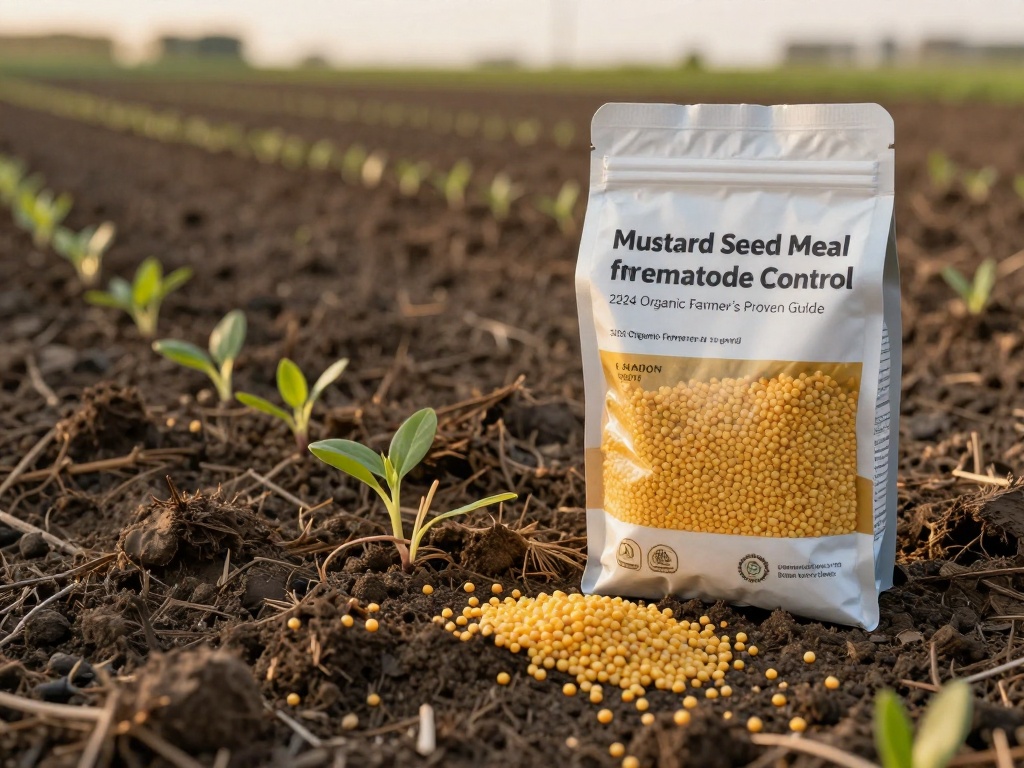
Organic farmers struggling to root out damaging root-knot nematodes have a powerful, natural tool at their disposal: mustard seed meal for nematode control. This byproduct of mustard oil production releases natural biofumigants that suppress nematode populations without the harmful side effects of synthetic nematicides. A 2023 study from the University of California found mustard seed meal reduced root-knot nematode counts by up to 78% in tomato and cucumber field trials.
How Mustard Seed Meal Kills Nematodes
The Biofumigation Process
Mustard seed meal’s nematicidal power comes from glucosinolates, sulfur-rich compounds unique to brassica crops like mustard. When the meal is incorporated into moist soil, these compounds break down into isothiocyanates, the same active ingredient in many commercial synthetic nematicides. This natural process, called biofumigation, targets nematode eggs and juvenile stages before they can invade crop roots.
Beyond Nematode Control: Added Soil Benefits
Mustard seed meal doesn’t only stop nematodes—it boosts overall soil health for long-term crop productivity. The meal is roughly 5-6% nitrogen, providing a slow-release nutrient boost for heavy-feeding crops like corn and vegetables. It also suppresses common soil-borne fungal pathogens like fusarium and pythium, reducing the risk of root rot and blight.
How to Apply Mustard Seed Meal for Maximum Effectiveness
Timing and Recommended Application Rates
To get the best nematode control results, apply mustard seed meal 2-3 weeks before you plant your main crop. This window gives glucosinolates time to break down and reduce nematode populations, avoiding any risk of the compounds damaging young crop seedlings. University of Illinois Extension recommends an application rate of 1,000 to 2,000 pounds per acre for heavy infestations, or 500 pounds per acre for preventative use.
Incorporation and Moisture Best Practices
Proper incorporation and soil moisture are non-negotiable for effective biofumigation. Till the meal into the top 6-8 inches of soil immediately after spreading to trap the volatile isothiocyanates in the soil profile. Water the field thoroughly after tilling to activate glucosinolate breakdown; dry soil will prevent the compounds from activating, leading to poor nematode control.
Top Crops That Benefit From Mustard Seed Meal Treatments
Mustard seed meal works for a wide range of high-value crops that are most vulnerable to nematode damage. Vegetable crops like tomatoes, peppers, cucurbits, and root vegetables like carrots and potatoes see the biggest yield gains from treatment, as nematodes target their root systems directly. It’s also a popular treatment for fruit tree nurseries, where nematode infestations can kill young saplings before they establish. Avoid using mustard seed meal in consecutive brassica crop rotations, as young brassicas can be sensitive to residual isothiocyanates if planted too soon.
Frequently Asked Questions
Is mustard seed meal approved for certified organic farming?
Yes, the USDA National Organic Program certifies mustard seed meal as a compliant input for all certified organic operations. It is a natural byproduct of mustard oil production, with no synthetic additives required to deliver its nematicidal effects, so it meets all organic crop production standards.
Does mustard seed meal harm beneficial soil organisms?
2022 research from The Ohio State University found that mustard seed meal has only short-term, minimal impacts on beneficial earthworms and mycorrhizal fungi. Most beneficial soil populations rebound within 4-6 weeks of application, as isothiocyanates break down quickly in warm, moist soil.
How long does mustard seed meal’s nematode control last?
Mustard seed meal delivers effective nematode suppression for one full growing season, roughly 3-6 months after application. For fields with a history of heavy infestations, reapply the meal every other growing season, or rotate with brassica biofumigant cover crops to maintain low, manageable nematode populations.
No comments