
Pruning Companion Planting: Step-by-Step Guide for Thriving Gardens
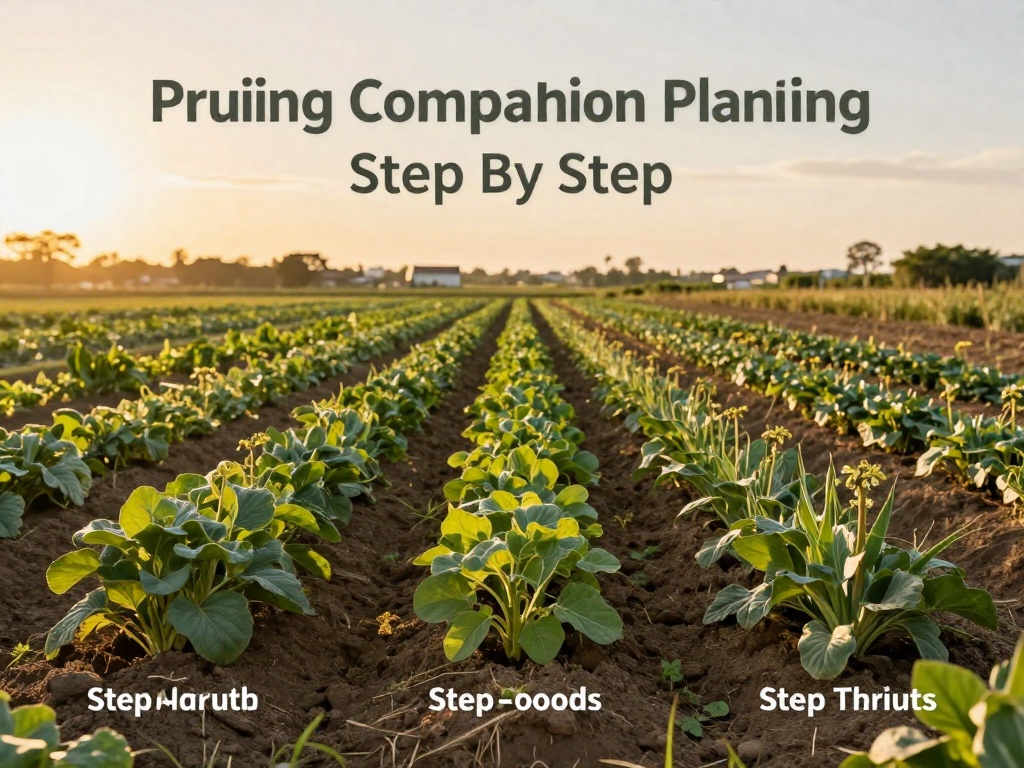
Pruning Companion Planting: Step-by-Step Guide for Thriving Gardens
Pruning companion planting step by step is one of the most effective techniques for creating a healthy, productive garden. When you combine strategic pruning with smart plant pairing, you create an ecosystem where plants support each other's growth, deter pests naturally, and maximize your harvest potential. Whether you're growing vegetables, herbs, or flowering plants, mastering this combination will transform your gardening approach.
Why Pruning and Companion Planting Work Together
Companion planting creates beneficial relationships between specific plants, while pruning ensures those plants receive adequate airflow, sunlight, and nutrients. Together, these practices reduce disease pressure, minimize pest infestations, and increase overall garden productivity.
When you prune companion plants correctly, you prevent overcrowding that could otherwise stunt growth. The strategic removal of dead or diseased branches also stops problems from spreading across your carefully planned plant communities.
Understanding the Basics of Companion Planting
Before diving into the step-by-step pruning process, you need to understand which plant combinations work best. Classic companions include tomatoes with basil, corn with beans and squash (the Three Sisters), and marigolds planted throughout vegetable gardens to repel harmful insects.
The Three Sisters method demonstrates how companion planting creates natural support systems. Corn provides a trellis for beans, beans fix nitrogen in the soil for all three plants, and squash leaves spread across the ground to retain moisture and block weeds.
The Three Benefits of Companion Plant Relationships
First, certain plants repel pests that would otherwise damage their companions. Second, some combinations improve soil fertility by sharing or adding essential nutrients. Third, taller plants provide natural shade and wind protection for more delicate companions.
Step-by-Step Guide to Pruning Companion Plants
Step 1: Assess Your Garden Layout and Plant Pairs
Begin by walking through your garden and identifying all companion plant groupings. Document which plants are growing together and their current health status. This assessment helps you prioritize which areas need attention first and understand the spatial relationships between your plant communities.
Look for signs of competition between plants, including yellowing leaves, stunted growth, or wilting despite adequate watering. These indicators suggest that pruning may be urgently needed to restore balance.
Step 2: Identify Which Plants Need Pruning Within Each Pair
Not every plant in a companion grouping requires simultaneous pruning. Focus on plants showing dead wood, crossing branches, or excessive growth that's crowding their companion. For tomato-basil pairs, tomatoes typically need more frequent pruning than basil, while the Three Sisters require coordinated attention to all three crops.
Consider the growth habit of each companion when deciding pruning intensity. Some plants benefit from aggressive pruning to redirect energy toward fruit production, while others should be lightly shaped to maintain their protective functions.
Step 3: Prune at the Right Time for Each Plant Species
Timing your pruning correctly ensures your companion plants recover quickly and continue supporting each other. Most vegetables benefit from pruning in early morning when plants are hydrated and temperatures are cooler. Avoid pruning during extreme heat or just before heavy rain.
General guidelines suggest pruning spring-blooming plants after flowering, summer crops in early spring before heavy growth, and fruit-bearing plants after harvest or during dormancy. When companion plants have different optimal timing, prioritize the more time-sensitive species.
Step 4: Use Proper Pruning Techniques for Each Plant Type
Clean, sharp tools make precise cuts that heal quickly and reduce disease transmission. Make cuts at a 45-degree angle sloping away from the bud to encourage outward growth and prevent water accumulation on cut surfaces.
For determinate tomatoes, remove suckers below the first flower cluster. For indeterminate varieties, maintain 2-3 main stems and remove excess suckers weekly. When pruning basil, pinch the central stems just above a leaf node to encourage bushy, compact growth that complements nearby tomato plants.
Step 5: Maintain Your Companion Garden Through Regular Care
Pruning companion plants isn't a one-time task—it requires ongoing attention throughout the growing season. Schedule weekly garden walks to assess growth, identify emerging problems, and perform light maintenance pruning as needed.
After each pruning session, remove all debris from the garden bed to prevent fungal growth and pest harborages. Consider applying a light compost tea or organic fertilizer to help plants recover from pruning stress.
Best Companion Plant Combinations for Strategic Pruning
Some companion pairings respond particularly well to coordinated pruning efforts. Tomatoes and basil thrive when tomatoes are pruned to an open center, allowing light to reach the basil below. Cucumbers trained upward with companion radishes benefit from removing lower leaves to improve air circulation.
The classic tomato-basil relationship improves dramatically when you prune tomato lower branches, which reduces soil splash onto foliage while giving basil more space and light. Similarly, pruning pepper plants to an open form helps companion herbs like parsley and cilantro receive adequate airflow.
Companion Plants That Benefit from Shared Pruning
Roses planted near garlic or chives show reduced aphid populations, and both benefit from similar pruning schedules. Fruit trees interplanted with flowering companions like phacelia or alyssum create pollinator habitats while requiring coordinated dormant-season pruning.
Common Mistakes to Avoid When Pruning Companion Plants
Over-pruning weakens plants and disrupts the balance of your companion ecosystem. Never remove more than 25% of a plant's foliage at once, as this reduces photosynthesis capacity and stresses the root system. Plants need their leaves to produce energy for recovery and continued growth.
Another frequent error is pruning companions at different times when synchronization would benefit both plants. For example, pruning marigolds at the same time as nearby vegetables maintains consistent height relationships that support pest management functions.
Ignoring Plant Communication Signs
Plants communicate stress through discoloration, leaf drop, and unusual growth patterns. When companion plants show synchronized stress symptoms, it often indicates a shared environmental issue rather than individual plant problems. Address root causes before assuming pruning is the solution.
FAQ: Pruning Companion Planting Step by Step
What is the best time of day to prune companion plants?
Early morning is ideal for pruning companion plants because temperatures are cool and plants are fully hydrated. Avoid pruning during extreme heat, late evening when cuts don't heal before nightfall, or immediately before rain that could introduce fungal pathogens.
How much can I safely prune from companion plants at once?
Never remove more than 25-30% of a plant's total foliage in a single pruning session. Removing too much leaf material stresses plants, reduces their ability to photosynthesize, and can kill or severely weaken even healthy specimens.
Should I prune both plants in a companion pair simultaneously?
Not necessarily. Prune each plant according to its individual needs and growth pattern. However, when both companions benefit from similar conditions like improved airflow or light penetration, coordinating their pruning creates a more harmonious growing environment.
Which tools are essential for pruning companion plants?
Essential pruning tools include sharp bypass pruners for stems up to 3/4 inch thick, loppers for branches up to 1.5 inches, a pruning saw for larger limbs, and household disinfectant for cleaning tools between plants to prevent disease spread.
No comments