
10 Expert Tips for Sunflowers Organic Gardening in Full Sun
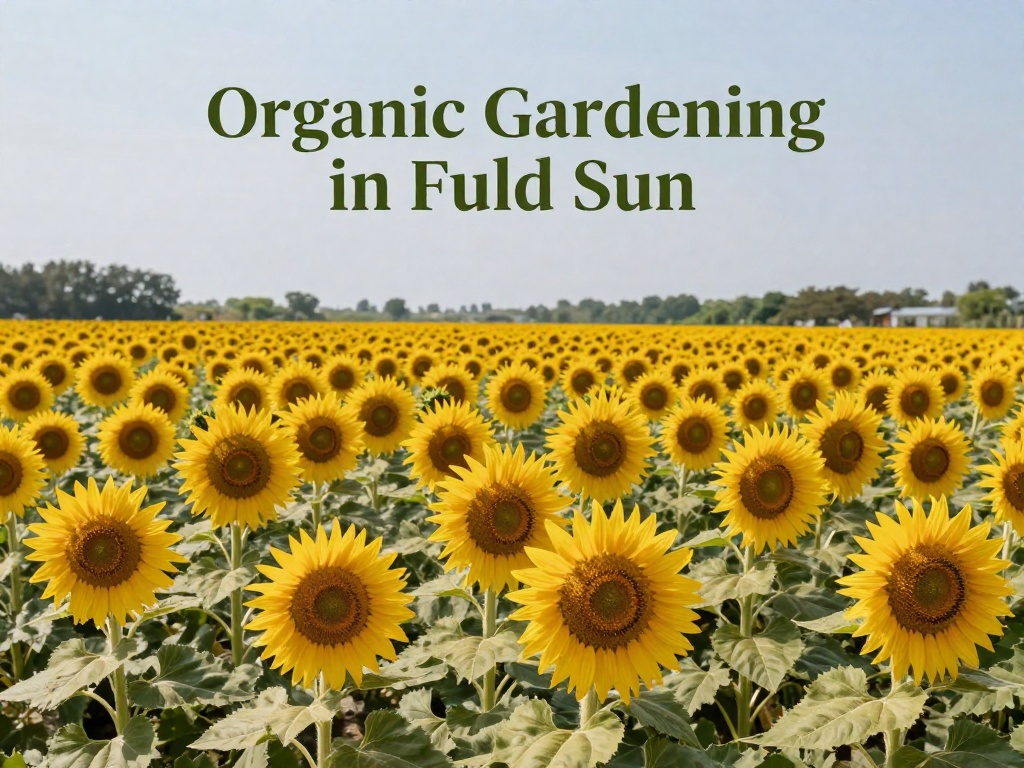
10 Expert Tips for Sunflowers Organic Gardening in Full Sun
Sunflowers are among the most rewarding crops you can grow in your organic garden. Their bold blooms, edible seeds, and remarkable ability to attract pollinators make them a must-have for any gardener who has access to full sun conditions. Growing sunflowers organically is not complicated, but it does require the right knowledge and techniques to achieve the spectacular results these plants are known for.
This complete guide covers everything from soil preparation to harvest, giving you 10 expert tips that will help your sunflowers thrive the natural way. Whether you are a beginner or an experienced gardener, these strategies will set you up for success in your organic gardening journey.
Why Choose Sunflowers for Organic Gardening?
Sunflowers (Helianthus annuus) are annual plants native to North America that have been cultivated for thousands of years. They belong to the Asteraceae family and are known for their tall stalks, large flower heads, and remarkable heliotropic behavior—young blooms that follow the sun across the sky.
There are several compelling reasons to include sunflowers in your organic garden. First, they are exceptionally low-maintenance when grown in appropriate conditions. Second, they attract beneficial insects including bees, butterflies, and ladybugs that help control garden pests naturally. Third, many sunflower varieties produce edible seeds rich in healthy fats, protein, and antioxidants. Finally, their deep root systems help break up compacted soil, improving overall garden structure.
1. Select the Right Location with Maximum Sunlight
The foundation of successful sunflowers organic gardening in full sun begins with choosing the ideal location. Sunflowers are true sun worshippers and require a minimum of 6 to 8 hours of direct sunlight daily for optimal growth. The more sun they receive, the stronger and more vigorous the plants will become.
Avoid planting sunflowers in areas that receive partial shade from trees, buildings, or other structures. Even slight shade can result in weak stems, reduced bloom size, and fewer seeds. The best spots are south-facing garden beds that receive unobstructed sunlight throughout the day. If you are working with a smaller garden, consider placing sunflowers along the northern edge so they do not shade other crops.
Assessing Your Garden's Sun Exposure
Before planting, spend a day observing your garden and noting how sunlight moves across the space. Mark areas that receive continuous sun versus those that get dappled or filtered light. Use this information to plan your sunflower beds strategically. Digital sun calculators and smartphone apps can also help you measure precise light exposure in different garden zones.
2. Prepare Nutrient-Rich Organic Soil
Sunflowers are heavy feeders that require rich, well-draining soil to reach their full potential. Successful organic gardening starts with building healthy soil teeming with beneficial microorganisms. Sunflowers prefer a slightly acidic to neutral soil pH range of 6.0 to 7.5.
Begin preparing your soil at least two to three weeks before planting. Work in generous amounts of aged compost or well-rotted manure to improve soil fertility and structure. Add a layer of organic mulch around the planting area to retain moisture, suppress weeds, and gradually enrich the soil as it decomposes. Worm castings and bone meal are excellent organic amendments that provide slow-release phosphorus to support strong root and flower development.
Testing and Adjusting Soil Conditions
A simple soil test will tell you the current pH and nutrient levels of your garden bed. If your soil is too acidic, add agricultural lime. If it is too alkaline, incorporate organic sulfur or peat moss. Addressing these imbalances before planting gives your sunflowers the best possible start and reduces the need for corrective amendments later in the season.
3. Choose the Best Sunflower Varieties for Organic Gardens
Not all sunflower varieties are created equal when it comes to organic gardening success. Selecting the right variety for your climate, garden size, and goals is essential. Consider whether you want giant varieties for dramatic displays, compact types for small spaces, or pollen-free cut flower cultivars.
Giant varieties like Russian Mammoth can reach heights of 10 to 12 feet and produce enormous seed heads, making them ideal for attracting wildlife. Branching varieties such as Autumn Beauty and Red Sun produce multiple blooms per plant, extending the flowering period. If seed harvest is your priority, look at high-yielding oilseed varieties like Peredovik. For container gardening, dwarf cultivars like Sunspot grow to just 2 feet tall and perform remarkably well in full sun conditions.
Heirloom vs. Hybrid Sunflower Seeds
For organic gardening, heirloom sunflower varieties are generally the preferred choice because they are open-pollinated, allowing you to save seeds from year to year. Heirloom varieties also tend to be more genetically diverse and resilient. Hybrid varieties may offer specific advantages like uniformity or disease resistance, but saved seeds from hybrids will not reproduce true to type in the following season.
4. Time Your Planting Correctly
Timing is critical when growing sunflowers organically. These warm-season crops are frost-sensitive and require soil temperatures of at least 50°F (10°C) to germinate reliably. In most temperate regions, the ideal planting window is late spring, after the last expected frost date has passed.
Direct sowing is the recommended method for sunflowers organic gardening in full sun, as transplanting can disturb their taproot and set back growth. Plant seeds 1 to 2 inches deep, spacing them 6 inches apart in rows. Once seedlings emerge and develop their second set of true leaves, thin them to the recommended spacing for the variety you are growing—typically 12 to 24 inches apart depending on mature size.
Succession Planting for Continuous Blooms
To enjoy a continuous supply of sunflowers throughout the season, practice succession planting every two to three weeks from late spring through early summer. This stagger approach ensures you have blooms from midsummer well into fall, providing ongoing food sources for pollinators and a steady harvest of cut flowers.
5. Water Deeply and Consistently
Proper watering is one of the most important aspects of organic sunflower care. While established sunflowers are somewhat drought-tolerant thanks to their deep taproots, consistent moisture during the critical growth stages produces much better results. Water deeply at the base of the plants rather than overhead to reduce the risk of fungal diseases.
Aim to provide about 1 inch of water per week, adjusting for rainfall. During hot, dry periods, increase watering frequency to prevent stress. The most water-sensitive stages are germination, seedling establishment, and the period from flower bud formation through bloom. Mulching around the base of plants helps conserve soil moisture and keeps root zones cool during heat waves.
Signs of Overwatering and Underwatering
Watch your plants for clues about their water needs. Wilting leaves during the hottest part of the day are normal, but wilting that persists into the evening suggests underwatering. Yellowing lower leaves can indicate overwatering or poor drainage. Adjust your watering schedule accordingly, and always ensure your soil has good drainage to prevent waterlogging, which can lead to root rot in sunflowers.
6. Feed Organically Throughout the Season
Even with well-prepared soil, supplemental feeding supports vigorous sunflower growth in organic gardening systems. The key is to use organic fertilizers that feed the soil food web rather than simply providing synthetic nutrients. A balanced approach prevents excessive vegetative growth at the expense of flower production.
Apply a side dressing of compost or well-aged manure around the base of plants when they reach about 12 inches tall. Fish emulsion or seaweed extract are excellent liquid fertilizers that provide a quick nutrient boost without burning delicate roots. Avoid high-nitrogen fertilizers, which promote excessive leaf growth at the expense of blooms. A light application of wood ash provides potassium that supports strong stems and disease resistance.
Compost Tea for Healthy Sunflowers
Compost tea is a simple and effective organic fertilizer you can make at home. Steep a bag of quality compost in water for 24 to 48 hours, stirring occasionally. Strain the liquid and apply it directly to the soil around your sunflower plants every two to three weeks during the growing season. This living fertilizer introduces beneficial microbes that enhance soil health and nutrient uptake.
7. Support Tall Varieties with Organic Stakes
Giant sunflower varieties can reach impressive heights, but strong winds and heavy seed heads can cause them to topple. Supporting tall sunflowers is an important step in organic gardening that protects your investment and keeps plants healthy.
Install sturdy wooden stakes or bamboo poles at the time of planting to avoid damaging developing roots later. Gently tie main stems to supports using soft garden twine or cloth strips, leaving enough slack for the stem to grow in diameter. For a more natural look, plant sunflowers near a fence or use a trellis system. In community garden settings, grouping multiple tall plants together creates a natural windbreak that supports each plant.
8. Manage Pests and Diseases Naturally
One of the greatest advantages of organic gardening is the ability to manage pests using environmentally responsible methods. Sunflowers are relatively pest-resistant, but they can occasionally face challenges from insects and diseases. The key to successful organic pest management is prevention, monitoring, and using gentle interventions only when necessary.
Common sunflower pests include aphids, sunflower moths, and birds that feed on maturing seeds. Encourage natural predators like ladybugs, lacewings, and predatory wasps by planting diverse flowering companions. Hand-pick larger pests and remove heavily infested plant parts. For birds, cover developing seed heads with mesh bags or cheesecloth once petals begin to fall. Common fungal issues like powdery mildew can be addressed with a homemade baking soda spray or neem oil application.
Companion Planting for Pest Management
Companion planting is a cornerstone of organic gardening that works beautifully with sunflowers. Plant basil, marigolds, cucumbers, or tomatoes near your sunflowers to deter pests and maximize garden space. Sunflowers also serve as trap crops, drawing aphids and other pests away from more vulnerable crops. The deep roots of sunflowers can break up soil barriers, making them excellent pioneer plants for new garden beds.
9. Harvest Seeds and Deadhead for Extended Blooms
The harvest phase is where your organic gardening efforts truly pay off. Knowing when and how to harvest sunflower seeds ensures you get the most from your crop, whether you plan to eat them, save them for next season, or leave them as food for winter wildlife.
For cut flower arrangements, harvest sunflowers when the petals have just begun to unfurl for the longest vase life. Cut stems in the morning when water content is highest, and place them in water immediately. For seed harvest, allow the flower heads to dry on the stalk until the back of the head turns brown and the seeds loosen easily. Cut the head and rub seeds loose by hand. Store dried seeds in an airtight container in a cool, dark location.
Saving Seeds for Next Season
Seed saving is an integral part of sustainable organic gardening. Select the healthiest, most vigorous plants as your seed stock. Allow the largest seed heads to fully mature and dry on the plant before harvesting. Clean seeds thoroughly and dry them completely before storage. Properly stored sunflower seeds remain viable for planting for three to five years.
10. Save and Replenish Your Garden Soil
Completing the organic gardening cycle means caring for your soil after the growing season ends. Sunflower stalks and spent flower heads make excellent organic matter for the compost pile. Chop stalks into smaller pieces to speed decomposition and add carbon-rich material to balance nitrogen-rich kitchen scraps.
After harvesting, plant a cover crop like winter rye or crimson clover in your sunflower beds to prevent erosion, suppress winter weeds, and add organic matter back into the soil when it is turned under in spring. This practice maintains soil health season after season, reducing the need for external amendments and creating a self-sustaining growing system.
Rotating Sunflower Beds
Practice crop rotation by avoiding planting sunflowers in the same location for consecutive years. Rotate with legumes, brassicas, or root vegetables to prevent soil-borne disease buildup and optimize nutrient use. A three to four year rotation cycle is ideal for maintaining long-term soil fertility and garden productivity.
Common Problems and Solutions in Sunflower Organic Gardening
Even with excellent care, gardeners may encounter occasional challenges. Weak, leggy seedlings usually indicate insufficient light—move them to a sunnier location if possible. Small or absent flower heads often result from excessive nitrogen fertilization or planting too close together. Sunscald appears as pale, bleached patches on petals and is more common in extremely hot climates; providing afternoon shade cloth can help.
Poor germination typically stems from planting too deeply, cold soil temperatures, or old seeds. Always plant at the correct depth and wait until soil has warmed sufficiently. If birds or squirrels dig up seeds, cover the planted area with floating row cover until seedlings emerge.
FAQ
How much sunlight do sunflowers need to grow successfully?
Sunflowers require a minimum of 6 to 8 hours of direct sunlight daily. They thrive with even more sun, and full sun exposure produces the strongest stems, largest blooms, and most abundant seed production. Shaded conditions result in weak plants with small flowers and poor yields.
Can I grow sunflowers organically in containers?
Yes, dwarf sunflower varieties grow very well in containers with proper care. Use a large pot with good drainage, fill it with quality organic potting mix, and place it in the sunniest spot available. Container-grown sunflowers need more frequent watering and feeding than those in garden beds, but they reward you with beautiful blooms on patios and balconies.
What is the best organic fertilizer for sunflowers?
The best organic fertilizers for sunflowers are compost, aged manure, fish emulsion, and seaweed extract. These provide balanced nutrition while supporting soil biology. Avoid high-nitrogen products that promote excessive foliage at the expense of flowers. A soil test helps determine which specific nutrients your garden needs.
When should I plant sunflower seeds in an organic garden?
Plant sunflower seeds after the last frost date when soil temperatures reach at least 50°F (10°C). In most regions, this falls between late April and mid-June. Direct sowing is preferable to transplanting because sunflowers develop taproots that do not tolerate disturbance well.
How do I protect sunflowers from birds and pests organically?
Cover developing seed heads with mesh bags, cheesecloth, or paper bags once petals begin to fall. Encourage natural predators like birds and beneficial insects by avoiding synthetic pesticides. For aphids, spray plants with a strong stream of water or apply neem oil. Companion planting with strong-scented herbs like basil also helps deter many common garden pests.
No comments