
Melon Organic Gardening Easy Method for Beginners (2024)
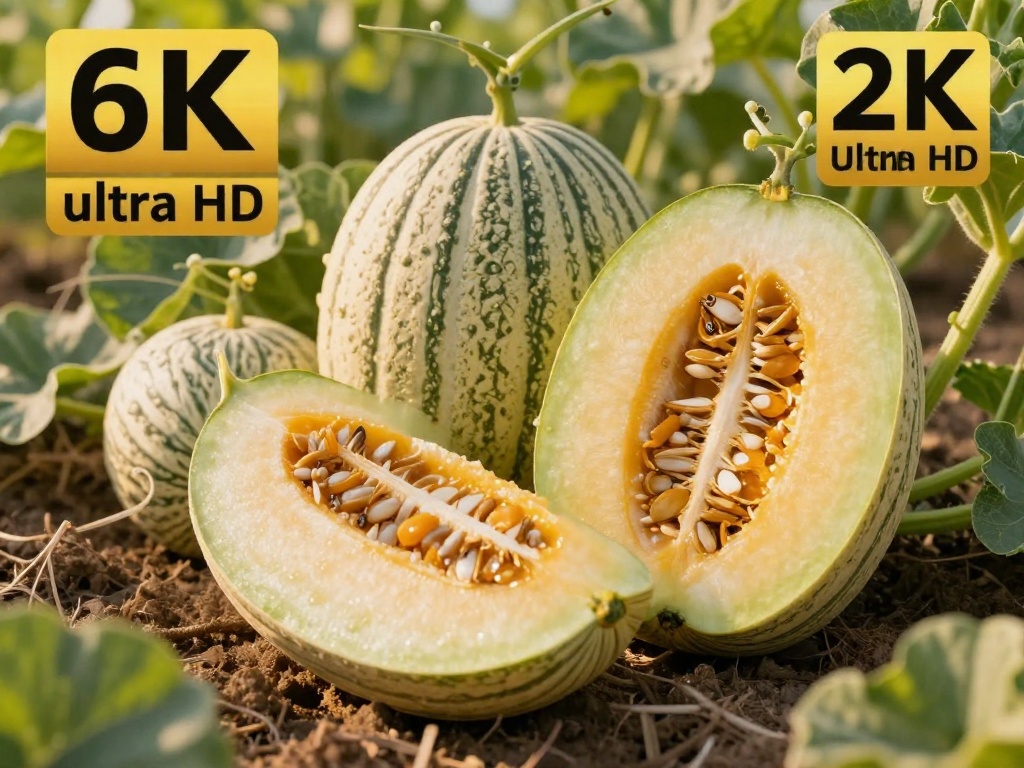
Melon Organic Gardening Easy Method for Beginners (2024)
Melon organic gardening easy method has become increasingly popular among home gardeners seeking fresh, chemical-free produce. Growing melons organically not only produces sweeter, more flavorful fruit but also supports beneficial soil microorganisms and pollinators. This comprehensive guide reveals the simplest techniques for cultivating delicious melons in your backyard using entirely organic methods. Whether you have a sprawling garden or limited space, you can successfully grow organic melons with the right approach.
Why Choose Organic Melon Gardening?
Organic melon gardening eliminates exposure to synthetic pesticides and fertilizers while producing nutrient-dense fruit. Studies show that organically grown melons contain higher levels of antioxidants and beneficial compounds compared to conventionally grown varieties. Additionally, organic gardening practices improve soil structure and promote long-term garden sustainability. The satisfaction of harvesting completely natural melons from your own plot is unmatched.
Health Benefits of Organic Melons
Fresh organic melons offer exceptional nutritional value, including vitamins A, C, and B-complex along with essential minerals like potassium and magnesium. The natural growing process preserves the fruit's delicate enzymes and phytonutrients. Children and adults alike enjoy the superior sweetness of organically ripened melons compared to store-bought alternatives.
Essential Requirements for Melon Organic Gardening
Before implementing your melon organic gardening easy method, understand these fundamental requirements for successful cultivation. Melons thrive in warm conditions and need specific soil, sunlight, and water parameters to produce abundant harvests.
Climate and Temperature Needs
Melons require a growing season of 70-100 days with daytime temperatures consistently between 70-90°F (21-32°C). Night temperatures should remain above 50°F (10°C) for proper fruit development. In cooler climates, use row covers or cold frames to extend the growing season and protect young plants from late frosts.
Sunlight Requirements
Your melon patch must receive full direct sunlight for at least 8 hours daily. South-facing slopes work exceptionally well for maximizing sun exposure. Without adequate sunlight, plants produce fewer fruits and are more susceptible to fungal diseases due to poor air circulation around damp foliage.
The Easy Method: Step-by-Step Organic Melon Cultivation
Follow this streamlined melon organic gardening easy method to achieve consistent results year after year. These simplified steps eliminate complexity while maximizing your harvest potential.
Step 1: Preparing Your Organic Soil Foundation
Melons demand rich, well-draining soil with a pH between 6.0 and 6.8. Begin by incorporating 4-6 inches of mature compost into your planting beds. This organic matter improves drainage in clay soils while enhancing water retention in sandy substrates. Avoid fresh manure, which burns tender roots and introduces pathogens.
Step 2: Selecting the Right Melon Varieties
Choose disease-resistant varieties adapted to your local climate for the easiest organic gardening experience. Exceptional options include 'Sugar Baby' watermelon, 'Hales Best' cantaloupe, and 'True Charentais' French melon. These varieties perform reliably and offer superior flavor compared to standard commercial types.
Step 3: Planting Your Melon Seeds or Transplants
Direct sow seeds 1 inch deep after all frost danger passes and soil temperature reaches 65°F (18°C). Space plants 36-48 inches apart in rows 6 feet wide to allow ample room for trailing vines. If starting indoors, use biodegradable pots to avoid transplant shock and begin seeds 3-4 weeks before your last expected frost date.
Organic Care Techniques for Maximum Yield
Maintaining your melon organic gardening easy method requires consistent attention to watering, feeding, and pest management. These organic care techniques ensure healthy plants without synthetic inputs.
Proper Watering Methods
Water deeply and infrequently, providing 1-2 inches of water weekly through drip irrigation or hand watering at soil level. Avoid wetting foliage, which encourages powdery mildew and other fungal issues. Reduce watering as fruits ripen to concentrate sugars and enhance sweetness.
Feeding with Organic Fertilizers
Apply compost tea every 2-3 weeks during active growth for gentle, continuous nutrition. Side-dress plants with additional compost when vines begin running. Fish emulsion or seaweed extract provide quick boosts of nitrogen during early growth stages without disrupting soil biology.
Natural Pest and Disease Control
Encourage beneficial insects like ladybugs and lacewings by planting companion flowers such as marigolds and zinnias. Use row covers during early growth to exclude cucumber beetles and squash bugs. Neem oil spray effectively controls aphids and prevents fungal diseases when applied preventatively.
Mulching and Weed Management
Apply 3-4 inches of organic straw mulch around plants to suppress weeds, retain soil moisture, and prevent fruit from touching wet soil. Mulching also regulates soil temperature, keeping roots cool during hot summer months. Avoid mulching too close to stems to prevent rot and discourage rodent nesting.
Harvesting Your Organic Melons
Knowing when to harvest determines whether your melons achieve their full flavor potential. Each melon variety displays specific ripeness indicators that signal optimal harvest timing.
Signs of Perfect Ripeness
Cantaloupes slip easily from the vine when ripe, showing a slight crack around the stem attachment. Watermelons produce a hollow sound when tapped and their underside turns cream-colored. Honeydews firm up and develop a subtle scent at peak ripeness.
Proper Harvesting Techniques
Cut melons from vines using clean, sharp pruners rather than pulling, which damages the plant and fruit. Harvest during morning hours when temperatures are coolest for best storage quality. Handle fruits gently to prevent bruising, which leads to rapid decay.
Storing and Enjoying Your Harvest
Freshly harvested melons keep at room temperature for 5-7 days until fully ripe, then refrigerate cut pieces for up to one week. Slice melons for fresh eating, salads, smoothies, or gazpacho. Preserve excess harvest through freezing, drying, or making preserves and pickles from specialty melon varieties.
Common Problems and Solutions
Even with careful attention, organic gardeners encounter occasional challenges. Understanding common issues helps you respond quickly and effectively using approved organic methods.
Poor Fruit Development
Incomplete pollination causes misshapen fruits that wither and drop. Encourage bees by avoiding all pesticides and planting abundant flowering companions. Hand-pollinate flowers using a small paintbrush if pollinator activity remains low during flowering season.
Yellowing Leaves
Nitrogen deficiency manifests as pale yellow foliage, particularly on older leaves. Side-dress plants with blood meal or additional compost to restore green color. Ensure proper drainage, as waterlogged soil prevents nutrient uptake even when adequate nitrogen exists.
FAQ
What is the easiest melon variety to grow organically?
Sugar Baby watermelon and Minnesota Midget cantaloupe rank among the easiest varieties for organic cultivation. Both offer compact growth habits suitable for smaller gardens while producing reliable yields with minimal care requirements. These varieties mature quickly, reducing exposure to pests and diseases.
How long does it take to grow melons organically?
Most melon varieties require 70-100 days from planting to harvest, depending on the specific variety and growing conditions. Smaller varieties like bush types may mature in as few as 60 days, while large watermelons can need up to 120 days. Providing optimal warmth and nutrition accelerates growth without compromising quality.
Can melons be grown in containers organically?
Yes, melons adapt well to large containers of at least 5 gallons with proper drainage holes. Use premium organic potting mix and provide sturdy trellis support for vines. Container growing works best with compact or dwarf varieties bred specifically for limited space conditions.
What companion plants work best with melons?
Beneficial companions include marigolds, nasturtiums, radishes, corn, and beans. Marigolds repel harmful insects while attracting pollinators, and beans fix nitrogen in soil that melons consume. Avoid planting melons near potato hills or other members of the squash family to prevent shared disease transmission.
No comments