
Potato Crop Rotation Step by Step: Complete Guide 2026
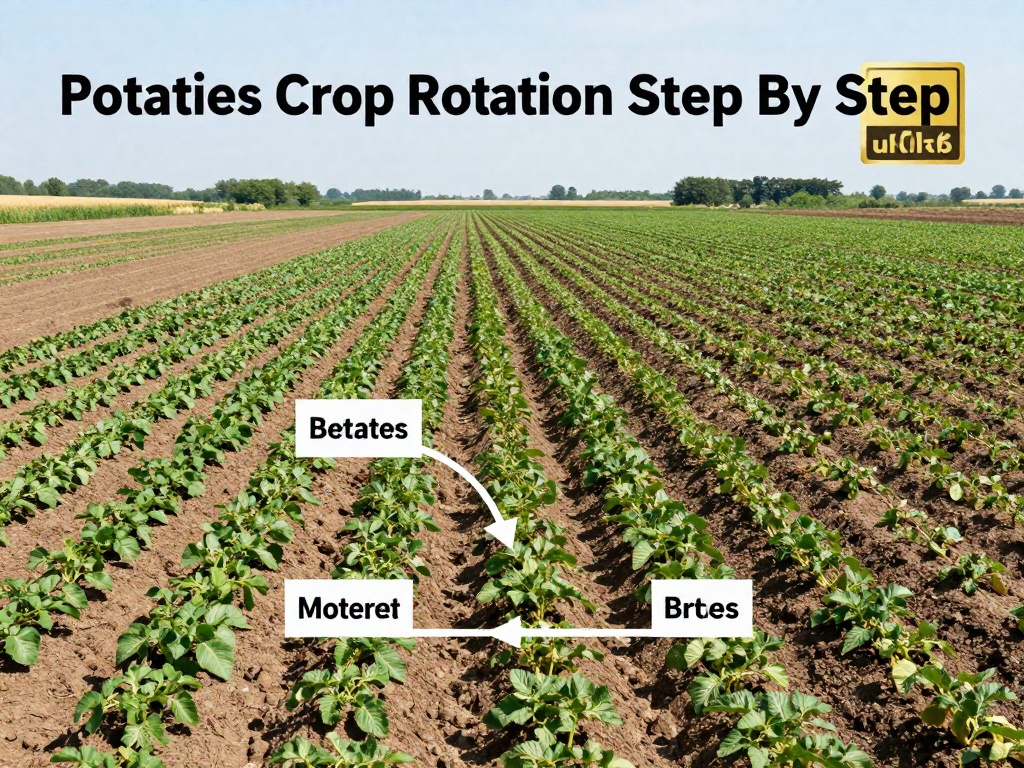
Potato Crop Rotation Step by Step: Complete Guide 2026
Potato crop rotation step by step is one of the most effective techniques for maintaining healthy soil and maximizing harvest yields. As a fundamental agricultural practice, proper rotation helps break pest cycles, improve soil fertility, and reduce disease pressure in your potato fields. Whether you are a seasoned farmer or a backyard gardener, understanding this systematic approach will transform the way you cultivate potatoes.
This comprehensive guide walks you through each phase of implementing an effective potato crop rotation strategy, ensuring your plants thrive season after season while protecting one of the world's most important food crops.
Why Potato Crop Rotation Matters
Potatoes belong to the Solanaceae family, making them cousins to tomatoes, peppers, and eggplants. Growing these related crops repeatedly in the same location creates serious problems for your garden or farm. Without rotation, soil-borne pathogens like potato scab and verticillium wilt accumulate rapidly, causing declining yields year after year.
The Science Behind Rotation Benefits
When you rotate potatoes with unrelated plant families, you disrupt the life cycles of specific pests and diseases. Colorado potato beetles, for instance, struggle to find their preferred food source when potatoes are absent for several growing seasons. Similarly, soil pathogens that target Solanaceae plants cannot survive without their host plants present.
Beyond pest management, different crops contribute unique nutrients to the soil. Legumes like clover and beans fix atmospheric nitrogen, which benefits nitrogen-hungry potatoes planted the following season. Deep-rooted crops like brassicas break up compacted soil layers, improving drainage and root penetration for subsequent plantings.
Economic and Environmental Impact
Implementing proper potato crop rotation step by step reduces your reliance on chemical pesticides and synthetic fertilizers. This translates to lower input costs and more sustainable farming operations. Studies show that farms practicing systematic rotation experience up to 30% higher yields compared to continuous potato cultivation.
Step 1: Assess Your Current Soil Conditions
Before designing your rotation plan, evaluate your soil's current state. Conduct a soil test to determine pH levels, nutrient content, and existing pathogen loads. Potatoes prefer slightly acidic soil with a pH range of 5.0 to 6.5, which is slightly lower than many other vegetables.
Key Soil Parameters to Measure
- pH level: Potatoes thrive in slightly acidic conditions between 5.0 and 6.5
- Nitrogen content: Moderate levels are ideal; excessive nitrogen causes excessive vine growth
- Phosphorus and potassium: Essential for tuber development and disease resistance
- Organic matter percentage: Aim for 3-5% organic matter content
- Drainage capacity: Well-drained soil prevents tuber rot and fungal issues
Document your findings and repeat soil testing annually to track improvements as you implement your rotation schedule.
Step 2: Plan Your Rotation Schedule
A successful potato crop rotation step by step plan typically spans three to four years minimum. This duration ensures sufficient time for soil pathogens to decline and nutrients to replenish naturally. Design a schedule that includes at least three unrelated plant families between potato plantings in the same location.
The Four-Year Rotation Model
- Year 1 - Potatoes: Plant your potato crop and harvest tubers
- Year 2 - Brassicas: Grow cabbage, broccoli, kale, or cauliflower
- Year 3 - Legumes: Plant peas, beans, or clover for nitrogen fixation
- Year 4 - Root Vegetables: Grow carrots, beets, onions, or garlic
Return potatoes to the original location in Year 5, completing a four-year cycle. This pattern prevents pathogen buildup while systematically improving soil structure and fertility.
Step 3: Select Compatible Companion Crops
When planning your rotation, consider which crops make ideal companions for potatoes. Certain plants naturally repel potato pests or enhance soil conditions for tuber development.
Best Crops to Follow Potatoes
- Corn: Consumes high nitrogen, preparing soil for subsequent plantings
- Squash and pumpkins: Their broad leaves suppress weeds and retain moisture
- Brassicas: Benefit from residual potassium left by potato crops
- Clover cover crops: Fix nitrogen and prevent erosion during off-seasons
Crops to Avoid After Potatoes
Never follow potatoes with other Solanaceae family members including tomatoes, peppers, or eggplants. These crops share identical disease vulnerabilities and will suffer in soil contaminated by potato pathogens. Maintain adequate separation distances between these crops even in rotation schedules.
Step 4: Prepare Beds Between Rotations
Between potato plantings, prepare your beds systematically to maximize the benefits of your rotation plan. Remove all potato plant debris including vines, small tubers, and root systems to prevent volunteer potatoes from emerging and harboring diseases.
Cover Crop Integration
Plant cover crops during fallow periods to protect bare soil from erosion and suppress weed growth. Winter rye, crimson clover, and tillage radishes work exceptionally well in rotation systems. These cover crops add organic matter when incorporated and improve soil structure for future potato plantings.
Step 5: Implement Proper Planting Techniques
When your rotation schedule returns potatoes to a previously planted bed, apply proper planting techniques to ensure optimal growth. Plant certified disease-free seed potatoes at the correct depth and spacing for your variety.
Planting Guidelines
- Depth: Plant seed potatoes 4-6 inches deep in loose, well-drained soil
- Spacing: Maintain 12 inches between plants in rows 36 inches apart
- Timing: Plant when soil temperature reaches 50°F (10°C) consistently
- Orientation: Place cut pieces with eyes facing upward for faster emergence
Step 6: Monitor and Manage Throughout the Season
Regular monitoring throughout the growing season ensures your rotation plan delivers expected benefits. Watch for signs of disease, pest activity, or nutrient deficiencies that may indicate underlying soil issues.
Key Monitoring Tasks
- Weekly scouting: Check for Colorado potato beetles, aphids, and leafhoppers
- Disease identification: Watch for early blight, late blight, and scab symptoms
- Nutrient observation: Yellowing leaves may indicate nitrogen deficiency
- Growth assessment: Monitor vine development and flowering timing
Document observations throughout each season to refine your rotation plan for subsequent years.
Step 7: Harvest and Post-Harvest Management
Proper harvest techniques and post-harvest handling maintain soil health for the next rotation phase. Harvest potatoes carefully to minimize soil compaction and tuber damage that can introduce pathogens.
Post-Harvest Soil Care
- Immediate cleanup: Remove all potato debris within one week of harvest
- Soil amendments: Add compost or aged manure to replenish nutrients
- pH adjustment: Apply lime if soil test indicates pH below 5.0
- Cover cropping: Plant cover crops immediately after harvest
Step 8: Evaluate and Refine Your Rotation Plan
Each complete rotation cycle provides valuable data for improving your approach. Compare yields, disease incidence, and soil test results across seasons to identify strengths and weaknesses in your current plan.
Metrics to Track Annually
- Total yield per bed: Measure production to assess rotation effectiveness
- Disease prevalence: Document any pest or disease occurrences
- Soil health indicators: Track organic matter and nutrient levels over time
- Labor requirements: Note any changes in management needs
Use this information to adjust crop selections, timing, and soil amendments for subsequent rotation cycles.
Common Rotation Mistakes to Avoid
Even experienced growers sometimes make errors that compromise their rotation effectiveness. Understanding these common pitfalls helps you avoid repeating them in your own operation.
Critical Errors
Short rotation cycles of only one or two years provide insufficient time for pathogen decline and soil recovery. Ensure your schedule maintains at least three years between Solanaceae plantings. Another frequent mistake involves including crops from related families in the rotation, which defeats the purpose of breaking pest and disease cycles.
Failing to remove volunteer potatoes also undermines rotation efforts. These escaped plants can harbor diseases and pests that affect your planned crops. Consistently eliminate all potato volunteers throughout each growing season.
Benefits of Long-Term Rotation Commitment
Potato crop rotation step by step requires patience and long-term commitment, but the rewards compound significantly over time. Farms that maintain rotation schedules for five or more years report dramatically improved soil structure, reduced pest pressure, and consistently high yields.
Beyond productivity gains, rotation enhances environmental sustainability by reducing chemical inputs, improving water retention, and supporting beneficial soil microorganisms. These improvements create a virtuous cycle where healthier soil produces healthier plants, which in turn contribute more organic matter back to the earth.
FAQ
How many years should you wait between planting potatoes in the same spot?
Experts recommend waiting a minimum of three years before planting potatoes in the same location again. Four years is ideal for maximum disease reduction and soil recovery. This extended interval ensures that soil-borne pathogens specific to potatoes decline to safe levels and that soil nutrients have sufficient time to replenish naturally.
What is the best rotation for potatoes?
The most effective rotation follows potatoes with nitrogen-fixing legumes, then brassicas, and finally root vegetables before returning to potatoes. This four-year sequence addresses soil nutrition, pest management, and structure improvement comprehensively. Adding cover crops between production seasons further enhances soil health and rotation benefits.
Can you plant potatoes after tomatoes in crop rotation?
No, potatoes and tomatoes should never follow each other in rotation because they belong to the same plant family (Solanaceae). Both crops are susceptible to identical diseases including late blight, verticillium wilt, and bacterial wilt. Planting them consecutively allows pathogens to build up dramatically in the soil.
What cover crops are best for potato rotation?
Winter rye, crimson clover, and oilseed radish work excellently as cover crops in potato rotations. Winter rye provides winter soil protection and adds significant organic matter. Crimson clover fixes atmospheric nitrogen, benefiting subsequent potato crops. Oilseed radish deep roots break up compacted soil layers while capturing nutrients from deeper soil zones.
No comments