
Beneficial Insects: Pest Control Identification Guide 2024
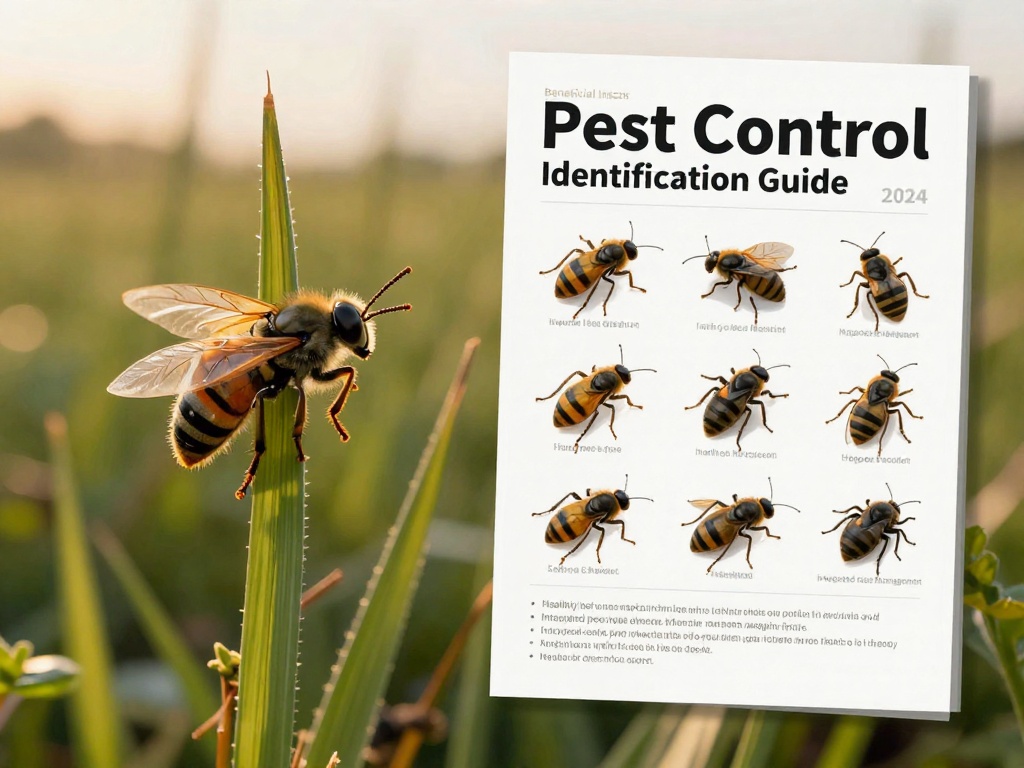
Beneficial Insects: Pest Control Identification Guide 2024
Welcome to your complete beneficial insects pest control identification guide. Every successful farmer and gardener should understand that nature provides powerful allies in the fight against crop-damaging pests. This guide teaches you to identify, attract, and protect the helpful insects that naturally control pest populations in your fields and gardens.
Why Beneficial Insects Matter in Agriculture
Beneficial insects serve as nature's pest control team, offering farmers and gardeners an effective alternative to chemical pesticides. These helpful creatures consume thousands of pest insects daily, reducing the need for expensive chemical treatments while promoting healthier ecosystems. Studies show that farms utilizing beneficial insects experience up to 75% fewer pest problems compared to conventional operations.
The economic impact of natural pest control proves significant. By harnessing beneficial insects, agricultural operations can save billions of dollars annually in reduced pesticide costs and increased crop yields. Additionally, pollinator insects like bees contribute over $15 billion annually to U.S. crop production through essential pollination services.
Categories of Beneficial Insects
Predatory Insects
Predatory insects actively hunt and consume pest insects at various life stages. These beneficial hunters provide immediate pest control by targeting and eliminating harmful populations. Gardeners who learn to recognize these valuable predators can avoid accidentally destroying them with pesticides.
Parasitic Insects
Parasitic insects lay their eggs on or inside pest insects, using the host as food for their developing young. This natural parasitism effectively reduces pest populations without harming crops or beneficial organisms. Understanding parasitic insects helps farmers implement targeted biological control strategies.
Pollinators
While not directly controlling pests, pollinators provide essential services that support healthy plant growth and crop production. Strong pollinator populations ensure better fruit set, larger harvests, and improved crop quality across numerous agricultural sectors.
Essential Beneficial Insects Identification Guide
Lady Beetles (Ladybugs)
Lady beetles rank among the most recognized and valuable beneficial insects in agriculture. These colorful beetles consume up to 5,000 aphids during their lifetime, making them exceptional aphid control agents. Both adult lady beetles and their distinctive orange-and-black larvae feed voraciously on soft-bodied pests.
Identification: Adult lady beetles display bright red, orange, or yellow wings with black spots. Their larvae appear elongated and dark with orange markings, resembling tiny alligators. Lady beetle eggs are small, yellow, and laid in clusters near aphid colonies.
Green Lacewings
Green lacewings earn the nickname "aphid lions" due to their remarkable appetite for soft-bodied pests. The delicate adults primarily feed on nectar and pollen, while the aggressive larvae decimate aphid, thrips, and mite populations. A single lacewing larva can consume over 200 aphids weekly.
Identification: Adult green lacewings possess large, transparent wings with delicate venation and bright green bodies. Their larvae, often called "trash bugs," carry debris on their backs and have elongated pincer-like mandibles. Lacewing eggs appear atop slender, hair-like stems.
Ground Beetles
Ground beetles serve as nocturnal predators that hunt soil-dwelling pests including slugs, snails, cutworms, and root maggots. These shiny, dark beetles hide during the day beneath debris and become active hunters after sunset. Their predatory efficiency makes them invaluable for nighttime pest control.
Identification: Ground beetles typically measure 1/4 to 1 inch long with shiny black or dark brown bodies. They display prominent mandibles and long legs adapted for running. Their larvae share similar coloring and possess voracious appetites for soil pests.
Hover Flies (Syrphid Flies)
Hover flies provide dual benefits as both pollinators and aphid predators. The adult flies resemble bees or wasps but lack stingers and have only one pair of wings. Their larvae, often called "maggots," consume hundreds of aphids before pupating into helpful adults.
Identification: Adult hover flies display distinctive black and yellow striped bodies and can hover motionless in mid-air. Their larvae appear pale green or maggot-like, often found near aphid colonies. Hover fly pupae resemble small brown seeds attached to plant stems.
Parasitic Wasps
Parasitic wasps include numerous species that control caterpillar, aphid, and scale populations through parasitism. These tiny wasps, often barely visible to the naked eye, inject their eggs into pest insects. The developing wasp larvae consume the host from within, eventually killing it.
Identification: Parasitic wasps vary greatly in size, from species smaller than gnats to those approaching 1/2 inch. Most possess slender bodies with narrow waists, clear or smoky wings, and long antennae. parasitized aphids (mummies) appear swollen and bronze-colored rather than healthy green.
Minute Pirate Bugs
Minute pirate bugs rank among the most effective beneficial insects for controlling thrips, spider mites, and small caterpillars. Despite their tiny size, these fierce predators attack prey much larger than themselves. They deliver painful bites to humans when handled carelessly.
Identification: Minute pirate bugs measure only 1/12 inch long with oval, flattened bodies. They display distinctive black and white markings with piercing beak-like mouthparts. Their nymphs appear wingless and yellowish to reddish-brown.
Damsel Bugs
Damsel bugs actively pursue and capture aphids, leafhoppers, small caterpillars, and insect eggs throughout gardens and agricultural fields. These true bugs use their grasping forelegs to capture and hold prey while consuming them with their piercing mouthparts.
Identification: Damsel bugs measure approximately 1/2 inch long with slender, tan to brown bodies. They possess long antennae, large eyes, and distinctive grasping front legs. Their elongated shape and quick movements distinguish them from other garden insects.
Assassin Bugs
Assassin bugs represent aggressive predators that ambush and consume caterpillars, beetles, and other substantial pests. These beneficial insects inject paralyzing toxins into their prey before consuming them body fluids. Their powerful bite can cause painful reactions in humans.
Identification: Assassin bugs display varying colors from brown to green to pink, depending on species. Most possess elongated bodies with narrow heads, curved beaks, and grasping front legs. Many species show distinctive raised areas behind the head.
How to Attract Beneficial Insects to Your Farm or Garden
Creating habitat that supports beneficial insects requires providing food, water, and shelter throughout the growing season. Successful beneficial insect programs begin with understanding the specific needs of target species and designing landscapes that meet those requirements.
Plant Flowering Borders and Cover Crops
Flowering plants provide essential nectar and pollen that sustain adult beneficial insects. Umbelliferous plants like dill, fennel, and Queen Anne's lace attract parasitic wasps and hover flies. Composite flowers including yarrow, coreopsis, and coneflower support numerous beneficial species throughout the season.
Cover crops serve dual purposes by providing habitat while improving soil health. Buckwheat, phacelia, and sweet clover attract beneficial insects while suppressing weeds and building soil organic matter. Timing cover crop flowering to coincide with pest pressure ensures available predators when needed most.
Provide Shelter and Overwintering Habitat
Beneficial insects require sheltered areas for resting, overwintering, and escaping extreme conditions. Leaving some leaf litter, standing stems, and brush piles provides essential overwintering habitat for many species. Stone walls, hedgerows, and diverse plantings create permanent shelter for beneficial insect populations.
Installing insect hotels or bee houses supports cavity-nesting beneficial insects that require hollow stems or tunnels for nesting. These simple structures, filled with bamboo tubes or drilled wooden blocks, attract predatory wasps and bees that control various pest species.
Reduce Pesticide Use
Pesticide applications devastate beneficial insect populations, often causing worse pest problems than originally existed. The "pesticide paradox" occurs when broad-spectrum pesticides eliminate natural enemies, leading to pest resurgence requiring additional treatments. Implementing integrated pest management strategies preserves beneficial insects while controlling harmful pests.
When pesticide applications become necessary, select products that specifically target pests while minimizing harm to beneficial species. Organic options including neem oil, insecticidal soaps, and Bacillus thuringiensis (Bt) cause less damage to beneficial insects than synthetic chemical treatments.
Conservation Biological Control Strategies
Conservation biological control focuses on protecting and enhancing existing beneficial insect populations rather than introducing new ones. This approach proves most sustainable because it builds upon natural ecosystem services already present in agricultural landscapes.
Habitat Diversification
Diverse farming systems support more stable and abundant beneficial insect populations than monoculture fields. Intercropping, crop rotation, and maintaining field margins create varied habitats that support different beneficial species throughout the season. Diverse landscapes also provide continuous food sources as different plants flower at various times.
Timing and Field Preparation
Understanding beneficial insect emergence patterns helps farmers plan operations that minimize harm to these valuable allies. Avoiding tillage during peak beneficial insect activity, reducing burning of crop residues, and maintaining refugia preserves populations from season to season. Field borders and conservation strips provide colonization sources after disturbance.
Common Mistakes to Avoid
Many well-intentioned gardeners inadvertently harm beneficial insect populations through common mistakes. Learning to recognize and avoid these errors ensures more successful natural pest control outcomes.
Applying pesticides during bloom periods eliminates pollinators and beneficial insects attracted to flowering plants. Treating entire fields when only small problem areas exist destroys beneficial populations across unaffected areas. Failing to identify pests correctly leads to inappropriate control measures that waste resources and harm beneficial insects.
Introducing non-native beneficial insects can disrupt local ecosystems and prove ineffective in unfamiliar conditions. Purchased beneficial insects often fly away from release sites without establishing populations. Focus on supporting native beneficial insects already adapted to local conditions rather than importing foreign species.
Frequently Asked Questions
What are the most beneficial insects for garden pest control?
Lady beetles, green lacewings, and parasitic wasps rank among the most valuable beneficial insects for garden pest control. Lady beetles consume thousands of aphids, lacewing larvae voraciously attack soft-bodied pests, and parasitic wasps control caterpillars and other larger insects. Supporting these three insect groups provides comprehensive natural pest control for most gardens.
How do I identify beneficial insects vs harmful insects?
Beneficial insects typically display certain characteristics that distinguish them from pests. They often move quickly searching for prey rather than feeding on plants. Many beneficial insects possess bright warning colors, prominent eyes, or visible predatory adaptations like large mandibles. When uncertain, observe insect behavior—predators actively hunt while pests typically feed on plant material.
Can I purchase and release beneficial insects?
Commercial beneficial insect purchases work best for enclosed environments like greenhouses where released insects cannot escape. Outdoor releases often prove disappointing because purchased insects disperse quickly without establishing populations. Focus instead on attracting and conserving native beneficial insects already adapted to your local conditions.
How long does it take for beneficial insects to control pests?
Beneficial insects require time to establish populations before providing significant pest control. Expect visible results within 2-4 weeks under favorable conditions, with substantial pest reduction occurring within one to two growing seasons. Patience proves essential—beneficial insect populations increase gradually as prey becomes abundant.
Do beneficial insects work in all weather conditions?
Most beneficial insects become active when temperatures exceed 60°F and reduce activity during cold or extremely hot periods. Rain, wind, and cloudy weather decrease beneficial insect activity. Providing sheltered microclimates through diverse plantings helps beneficial insects remain active during unfavorable weather and colonize crops more quickly after conditions improve.
No comments