
Squash Blossom Thinning for Larger Fruit Yields: 2024 Guide to Boost Harvests
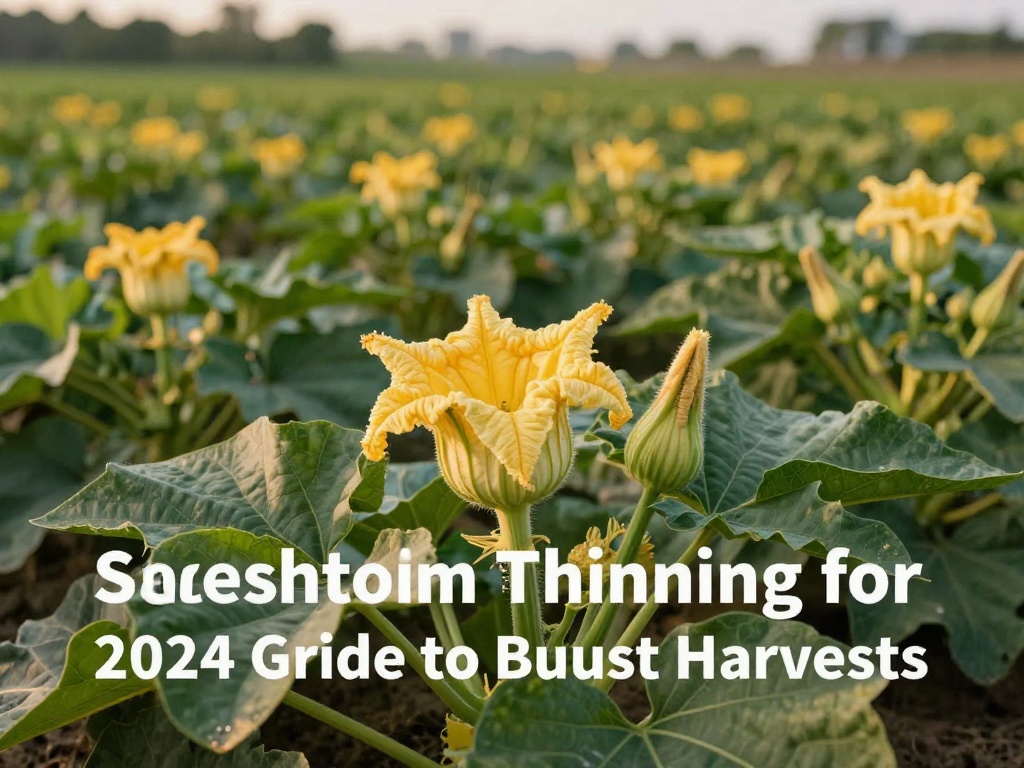
Squash Blossom Thinning for Larger Fruit Yields: 2024 Guide to Boost Harvests
If you grow summer or winter squash and struggle with small, misshapen fruit or low overall yields, mastering squash blossom thinning for larger fruit yields is a game-changing practice you can implement today. This simple, low-effort technique redirects your squash plant’s limited energy from producing excess flowers to developing robust, market-ready or home-garden worthy fruit. University of Illinois Extension data shows that properly thinned squash plants produce up to 35% larger fruit than unthinned control groups, with 20% fewer instances of rot and pest damage.
What Is Squash Blossom Thinning, Exactly?
Squash plants produce two types of flowers: male blossoms, which emerge first to spread pollen, and female blossoms, which grow a small squash bulb behind their petals that develops into mature fruit. Even the healthiest squash plant can only support a limited number of developing fruit at once, as each fruit draws significant nutrients, water, and sunlight from the plant. Thinning involves removing excess male and unviable female blossoms to leave only the number of fruit the plant can support fully.
Why Do Squash Plants Grow So Many Excess Blossoms?
Squash plants evolved to produce far more blossoms than they can support to maximize their chances of successful pollination in the wild. In natural settings, only 10-15% of squash blossoms get properly pollinated, so excess flowers act as a backup. In managed home or market gardens, pollination rates are often much higher, leading to overcrowded fruit that competes for critical resources.
Step-by-Step Guide to Thinning Squash Blossoms Correctly
1. First, Distinguish Male vs. Female Blossoms
Before you start cutting, learn to tell the two blossom types apart to avoid removing critical female flowers. Female blossoms have a tiny, immature squash (called an ovary) just behind their petals, while male blossoms grow on long, thin stems with no bulb behind the flower. Leave one male blossom for every 3-4 female blossoms to ensure sufficient pollen for successful pollination, per Penn State Extension recommendations.
2. Thin Blossoms Early to Avoid Wasting Plant Energy
Start thinning blossoms once your plant has produced 5-6 female blossoms, removing any that are misshapen, damaged, or grow too close to an existing developing fruit. Aim to leave only 2-3 developing squash per vine at any time, which allows the plant to pour all its resources into those few fruit. Remove excess male blossoms once you have enough pollen to fertilize all your retained female flowers, as unused male blossoms drain energy from the plant.
3. Use Clean Tools to Prevent Disease Spread
Always use sanitized pruning shears or sharp scissors to remove blossoms, rather than pulling them off by hand, which can tear the plant’s vine and leave it vulnerable to fungal or bacterial infections. Wipe your tools with a 10% bleach solution between plants if you grow multiple squash varieties to stop the spread of common pathogens like powdery mildew.
Core Yield Benefits of Proper Squash Blossom Thinning
Beyond the 35% larger fruit size cited by University of Illinois Extension, thinned squash plants mature their fruit 7-10 days earlier than unthinned plants, which is a major benefit for market gardeners looking to get their produce to customers before the end of the growing season. Thinned plants also have better air circulation around their remaining fruit and foliage, reducing the risk of rot that often affects overcrowded squash patches. Home gardeners report fewer instances of blossom end rot, a common nutrient deficiency issue, as thinned plants can distribute calcium and other key nutrients more evenly across their few developing fruit.
Frequently Asked Questions
Can I eat the squash blossoms I remove during thinning?
Yes! Male squash blossoms are entirely edible and a popular gourmet ingredient in many cuisines. You can stuff them with cheese, fry them, or add them to salads to make use of the blossoms you remove, turning your thinning practice into an extra small harvest for your kitchen.
How often do I need to thin squash blossoms throughout the growing season?
You should check your squash plants for new blossoms every 7-10 days throughout the growing season. Squash plants produce new blossoms continuously, so regular thinning ensures you never have more developing fruit than your plant can support. For summer squash varieties, which produce fruit over a 2-3 month period, this adds up to 8-12 quick thinning check-ins per season.
Is blossom thinning only necessary for large commercial squash farms?
No, home gardeners with just a few squash plants will see the same significant benefits from thinning as commercial farms. Even a single squash plant can only support 2-3 fruit at once, so thinning excess blossoms will give you larger, healthier squash whether you grow 1 plant or 100 rows of them. It takes just 2-3 minutes per plant to complete, making it an easy practice for any grower.
No comments